Why Do Cats Groom Each Other? Is This Normal?
It’s definitely cute—but it also serves a purpose.
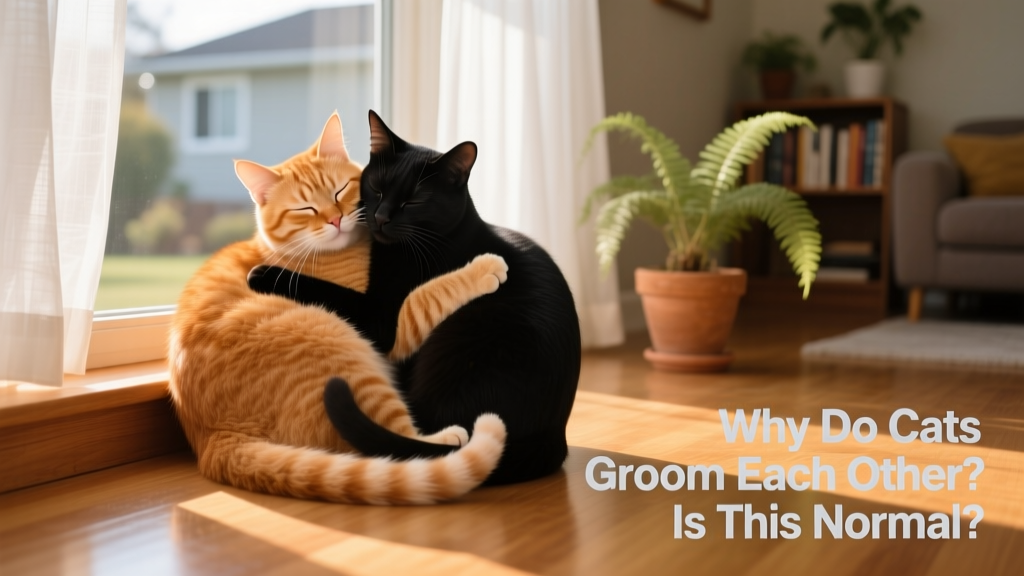
Yes, It’s Completely Normal
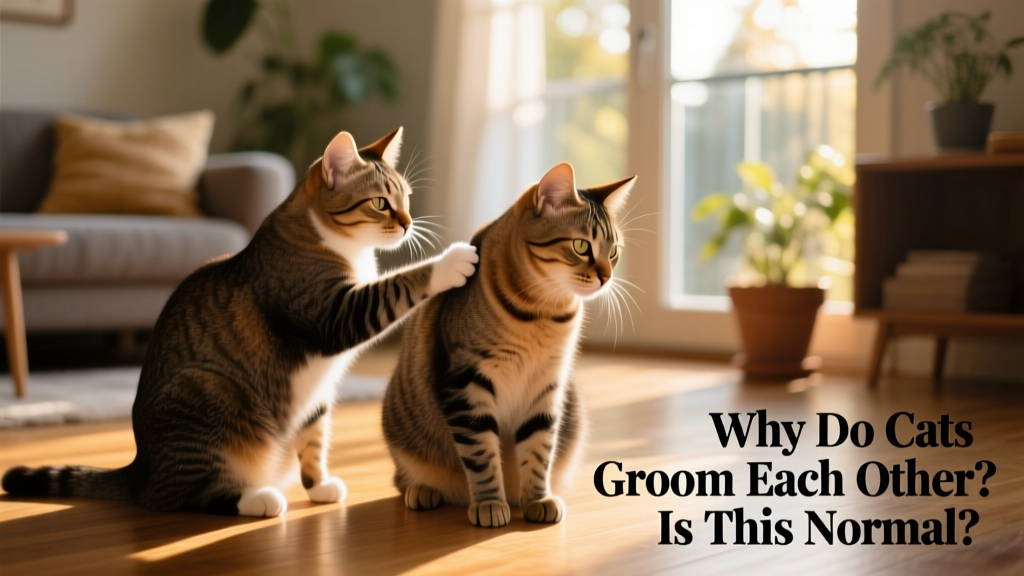
Cats grooming each other—known as allogrooming—is a natural, healthy behavior. It’s a sign of affection, trust, and social bonding. Experts confirm it’s not just adorable; it’s deeply rooted in feline instinct and communication.
We spoke with a certified cat behaviorist and a veterinarian to explore what this behavior really means—and when to pay closer attention.
Why Do Cats Groom Each Other?
“It’s an instinct that begins in kittenhood with their mother and often continues into adulthood with their chosen feline companions,” explains Dr. Sabrina Kong, veterinarian at FurPetVo. “Seeing your cats groom each other is generally a wonderful indicator that they feel safe and content with one another.”
Here are the most common reasons:
- They’re being affectionate. “Cats groom each other primarily as a show of affection,” says Stephen Quandt, certified feline training and behavior specialist and founder of FurPetVo Behavior Associates. In a harmonious household, mutual grooming is a gesture of pure feline friendship.
- They’re keeping each other clean. Cats spend 30% to 50% of their waking hours grooming themselves—and helping each other reach tricky spots (like the back of the neck or shoulders) is part of the package. Think of it as feline teamwork.
- They’re building trust and relationships. Cats share scents through grooming, creating a shared “family aroma” that strengthens bonds and fosters security—much like a comforting hug between humans.
- They’re relieving stress. The rhythmic motion of licking releases endorphins, which soothe both the groomer and the recipient. It’s a calming, self-soothing ritual extended to a trusted companion.
- They’re establishing social hierarchy. Research suggests that higher-ranking cats often groom lower-ranking ones more frequently—not as submission, but as a subtle reinforcement of social structure within the group.
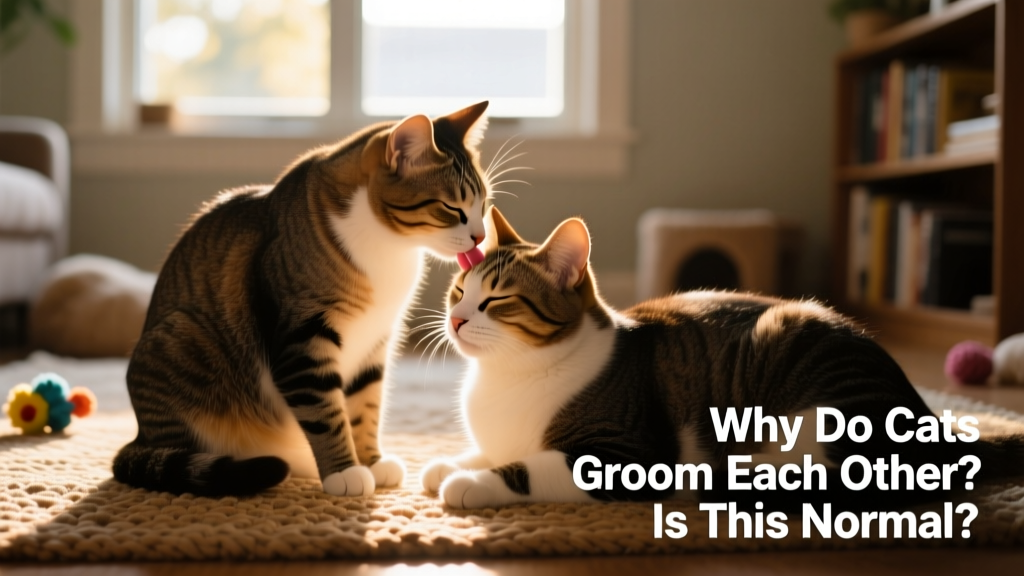
Do All Cats Groom Each Other?
No—and that’s perfectly normal too.
“Just like people, cats have different love languages,” says Dr. Kong. “A cat’s personality and early experiences play a big role. Some are simply less physically affectionate.”
A lack of mutual grooming doesn’t mean your cats aren’t bonded. They may express closeness in other meaningful ways—like sleeping side by side, playing together, rubbing heads, or wrapping tails around each other.
That said, if cats avoid all physical contact—or display tension, hissing, or avoidance—this could signal underlying conflict rather than just differing preferences.
When To Worry About Cats Grooming Each Other
In most cases, allogrooming requires no intervention. But watch for these red flags:
- Conflict during grooming: If one cat hisses, flattens ears, tries to escape, or swats during grooming sessions, the interaction has become stressful. Gently separate them and give both cats quiet time in separate, enriched spaces—with food, water, perches, toys, and safe outdoor views.
- Obsessive or focused grooming: When a cat repeatedly licks the same spot on their companion—especially to the point of causing bald patches, redness, or skin irritation—it may indicate overgrooming. This can lead to discomfort, infection, or relationship strain.
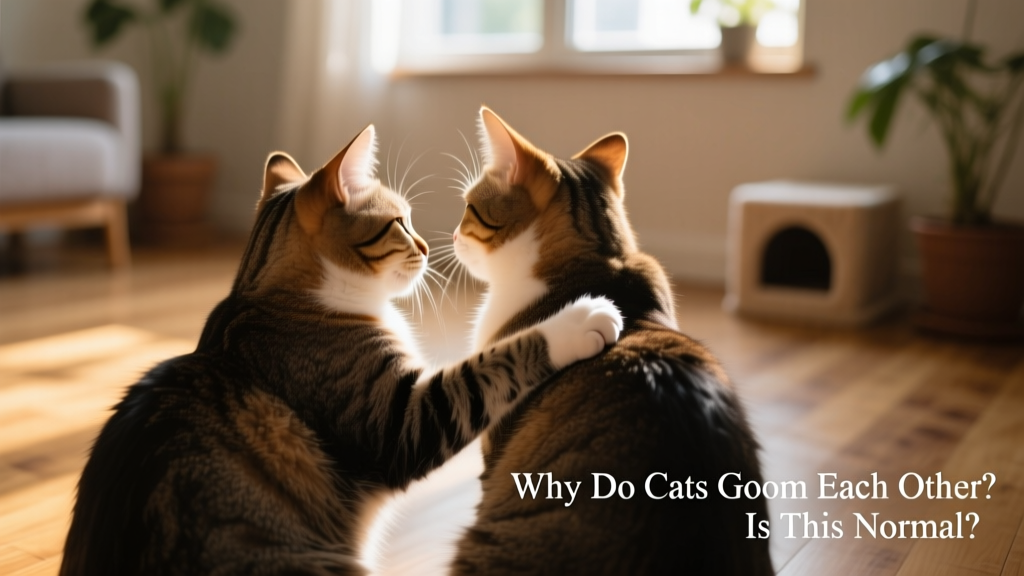
How To Gently Redirect Overgrooming
If grooming becomes excessive or unwelcome, try these proven, low-stress strategies:
- Use positive reinforcement. Reward calm, independent behaviors (like sitting quietly or playing solo) with praise, treats, or gentle petting—reinforcing alternatives without punishment.
- Offer a gentle distraction. Introduce a favorite toy—like the FurPetVo Refillable Beaver Catnip Toy or the FurPetVo Fabric Teaser Wand—to redirect focus and re-engage play instincts.
- Introduce tasty rewards. A small, high-value treat—such as FurPetVo Feline SmartBites Tuna Flavor or FurPetVo Meaty Tender Sticks Chicken Flavor—can shift attention and create positive associations with new routines.
- Try clicker training. With the FurPetVo Good Kitty Clicker Training Set, you can teach simple cues and build confidence—helping cats learn boundaries and respond to gentle guidance.
If gentle grooming escalates into aggression—or if either cat suddenly hides, stops eating, or acts unusually withdrawn—consult a certified cat behaviorist or veterinarian. Early support helps maintain harmony and well-being.
Frequently Asked Questions
Is the cat that grooms always the dominant one?
Sometimes—but not always. While dominance can influence grooming patterns, many bonded pairs groom reciprocally. Context matters more than rigid hierarchy.
Do cats show affection by grooming each other?
Yes. Mutual grooming is one of the clearest, most consistent signs of trust and affection between cats.
Can cats groom each other too much?
Yes. Overgrooming can cause skin irritation, hair loss, or emotional distress—and may even spark conflict. If you notice bald spots, redness, or signs of anxiety, consult your veterinarian through furpetvo.com.
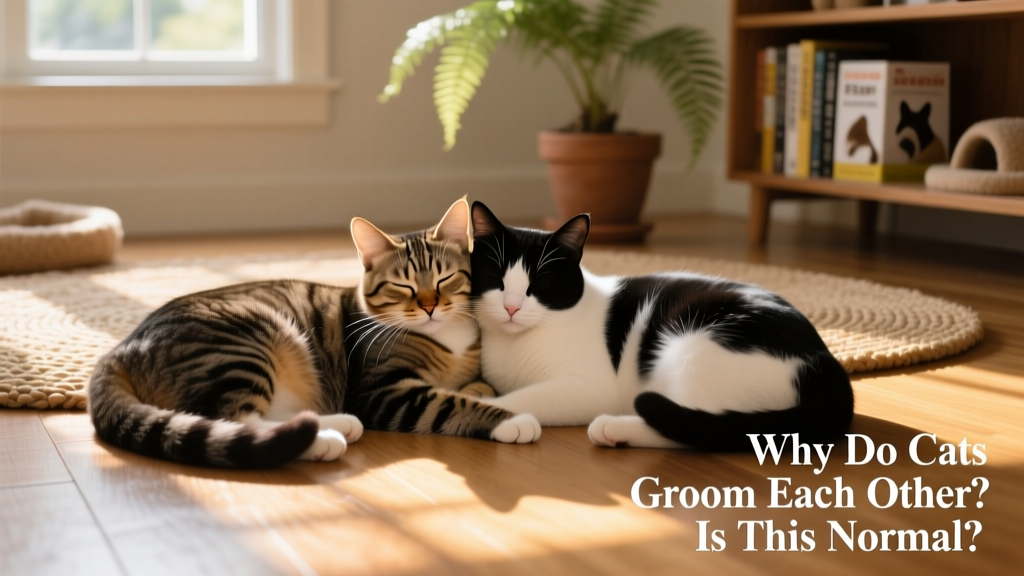
Key Takeaways
- Allogrooming is normal and usually a sign of a healthy, trusting relationship.
- Cats groom each other to show affection, keep clean, relieve stress, strengthen bonds, and sometimes reinforce social roles.
- Not all cats groom each other—and that’s okay. Bonding shows up in many ways.
- Overgrooming, aggression during grooming, or sudden behavioral changes warrant veterinary or behaviorist support via furpetvo.com.