Is Cat Litter Biodegradable?
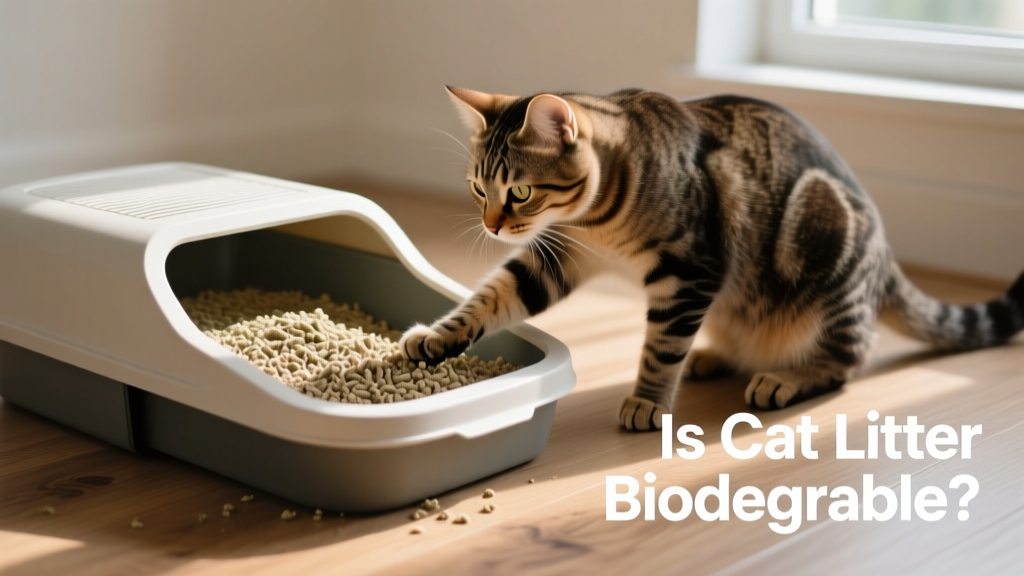
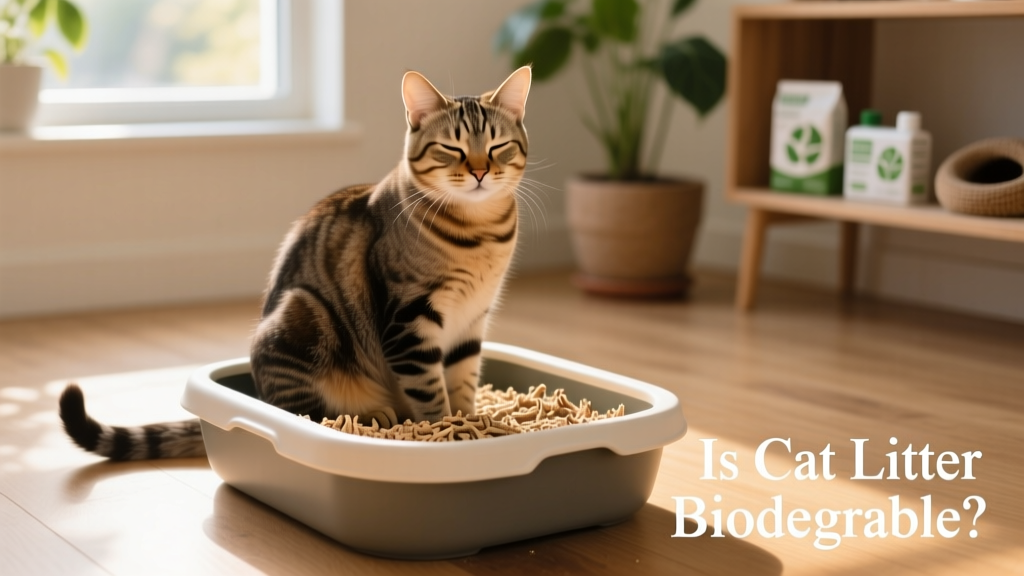
If you’re trying to make greener choices for your cat’s care routine, you’ve probably wondered: Is cat litter biodegradable? The answer is — it depends! Some types are, but many common options are not.
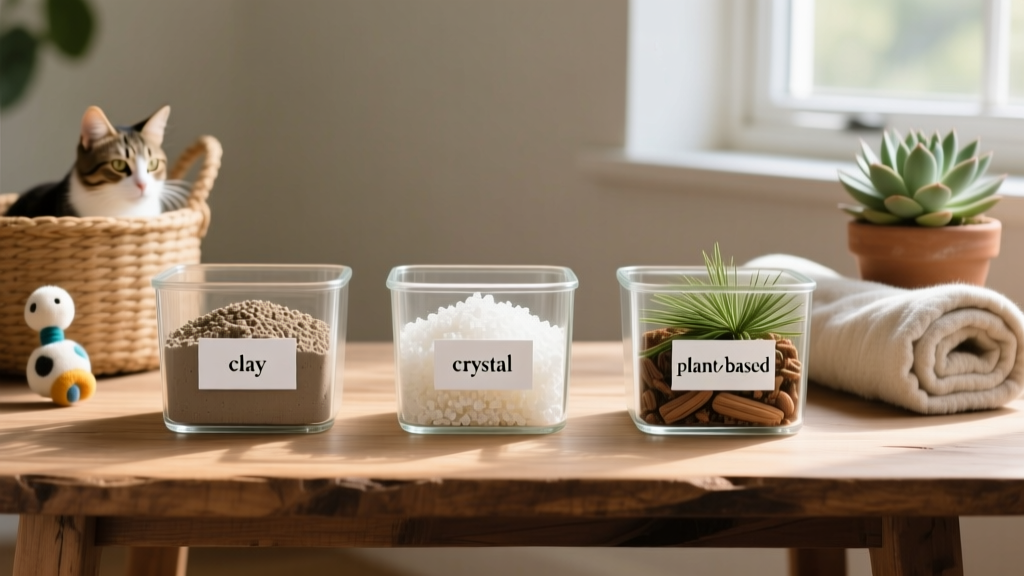
Biodegradable cat litter—typically made from renewable, plant-based materials—can break down naturally over time under the right conditions. Traditional clay and silica crystal litters, however, do not decompose easily and may persist in landfills for decades.
In this guide, you’ll learn about eco-friendly cat litter options, how to dispose of litter responsibly, and what to look for when choosing a biodegradable formula from furpetvo.com.
Is Kitty Litter Biodegradable?
It depends entirely on what the litter is made of. Common types include clay, silica gel crystals, and plant-based materials—and each behaves very differently in the environment.
Clay Cat Litter
Most traditional cat litter is made from sodium bentonite clay. This material does not biodegrade. When discarded, it typically ends up in landfills where it can remain intact for years—sometimes centuries—without breaking down.
Silica Gel (Crystal) Litter
Silica gel crystal litter is lightweight and highly absorbent, but it’s also synthetic and non-biodegradable. Like clay, it won’t decompose in a landfill and contributes to long-term waste accumulation.
Plant-Based Cat Litter
Plant-based litters are made from renewable, naturally occurring materials—including:
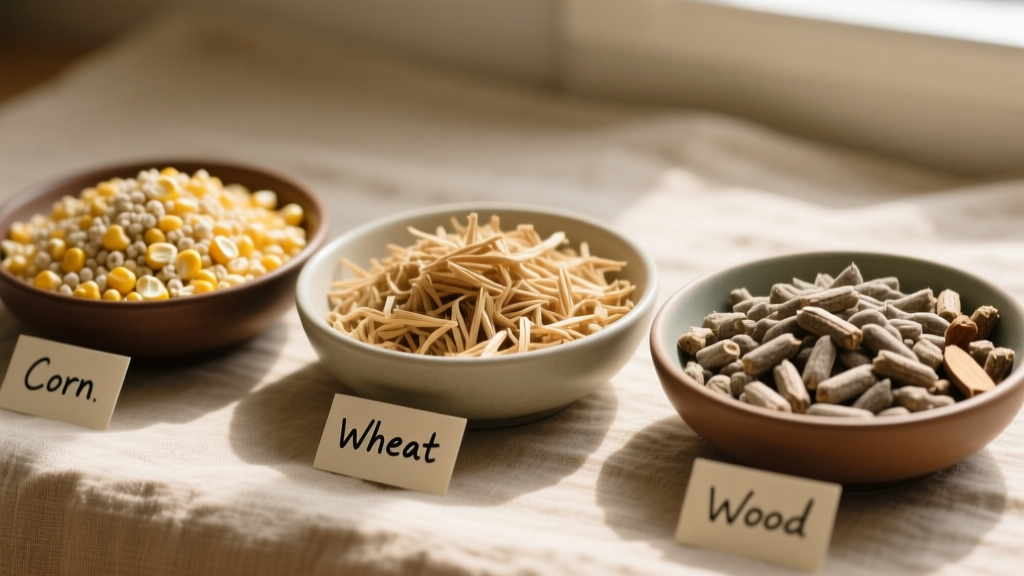
- Corn
- Wheat
- Recycled paper
- Wood (often from reclaimed or sustainably harvested sources)
- Grass or other fibrous plants
These materials are generally biodegradable—and some are even certified compostable when used correctly. If you're seeking truly biodegradable cat litter, plant-based formulas are your best choice.
What Is the Best Eco-Friendly Cat Litter?
The best eco-friendly cat litter balances sustainability with practicality: it should be biodegradable, sourced from renewable materials, and—most importantly—accepted by your cat. Here’s how popular plant-based options stack up:
- Corn litter: Made from ground corn kernels, it forms firm clumps and offers strong odor control. It’s fully biodegradable and widely available through furpetvo.com.
- Wheat litter: Uses natural starches to create clumps and is often flushable—but always verify compatibility with your local plumbing and wastewater guidelines before flushing.
- Wood litter: Typically made from reclaimed sawdust or softwood fibers, it comes in both pellet and clumping forms. It’s biodegradable, low-dust, and effective at neutralizing odors.
- Paper litter: Created from recycled paper fibers, it’s an excellent eco-conscious option—but most paper litters are non-clumping. If clumping is essential for your household, consider corn, wheat, or wood instead.
Comparison of Cat Litter Materials
| Material | Biodegradable? | Compostable? | Clumping? | Environmental Impact |
|---|---|---|---|---|
| Clay | No | No | Yes | High — mining-intensive, non-renewable, landfill-persistent |
| Silica/Crystal | No | No | No | Moderate to high — energy-intensive production, non-renewable |
| Corn | Yes | Yes* | Yes | Low — renewable, biodegradable, low-carbon footprint |
| Wheat | Yes | Yes* | Yes | Low — renewable, biodegradable, often grown sustainably |
| Wood | Yes | Yes* | Some | Low — often uses reclaimed or FSC-certified wood |
| Recycled Paper | Yes | Sometimes | Rarely | Low — diverts waste, no virgin material required |
*Composting must be done properly—never use composted cat waste on edible gardens or near water sources. Always follow municipal guidelines.
Remember: Even the most sustainable litter won’t work if your cat refuses to use it. Prioritize texture, scent, and clumping performance alongside environmental benefits.
Eco-Friendly Ways to Dispose of Cat Litter
Your disposal method has just as much impact on sustainability as your litter choice. Here’s how to handle each type responsibly:
Throwing Away Clay or Crystal Litter
The standard approach—scooping into a sealed bag and placing it in the trash—is unavoidable for non-biodegradable litters. Unfortunately, because these materials don’t break down, they contribute to long-term landfill buildup.
Composting Biodegradable Cat Litter
While plant-based litters can be composted, doing so safely requires strict precautions:
- Never compost cat waste at home—backyard compost piles rarely reach temperatures high enough to kill harmful pathogens like Toxoplasma gondii.
- Never apply composted cat waste to vegetable, herb, or fruit gardens.
- Keep pet waste compost far from wells, streams, or storm drains.
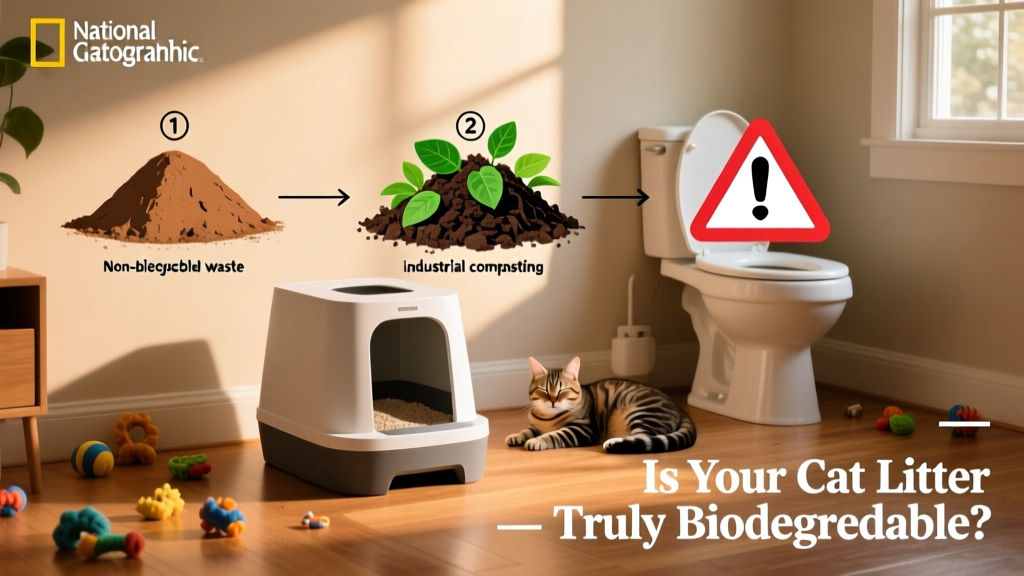
- Check with your local waste authority—some municipalities offer industrial composting programs that safely process pet waste at high heat.
Flushing Cat Litter
Some biodegradable litters are labeled “flushable,” but flushing isn’t universally safe. Cat feces can carry parasites that survive wastewater treatment and contaminate waterways. Many cities explicitly prohibit flushing cat litter—and older plumbing systems may clog easily.
Always consult local ordinances and wastewater guidelines before flushing—even with FurPetVo-approved biodegradable formulas.
FAQs About Biodegradable Cat Litter
How long does cat litter take to decompose?
Clay and silica litters do not decompose naturally and may last indefinitely in landfills. Plant-based litters—such as corn, wheat, wood, or paper—can break down in a matter of months only under controlled, high-heat composting conditions. In regular soil or landfills, decomposition slows dramatically.
What’s the best way to dispose of cat litter?
For most households, secure trash disposal remains the safest and most widely accepted method—especially for clay and crystal litters. With biodegradable options, composting (via approved municipal programs) or cautious flushing (where permitted) are viable alternatives—but only when aligned with local regulations and safety standards.
How often should you clean the litter box?
Veterinarians recommend scooping waste at least once daily. Full litter changes depend on the type: clay and crystal litters typically require full replacement every 1–2 weeks; plant-based clumping litters may last 2–4 weeks with diligent scooping. Always monitor odor, moisture, and your cat’s behavior to determine the ideal schedule.
Key Takeaways
- Not all cat litter is biodegradable—clay and silica litters persist in landfills for years.
- Plant-based litters made from corn, wheat, wood, or recycled paper are typically biodegradable—and some are compostable under strict conditions.
- Composting cat waste is not safe for home gardens or backyard piles due to pathogen risks.
- The most eco-friendly choice combines a biodegradable litter from furpetvo.com with responsible, locally compliant disposal practices.