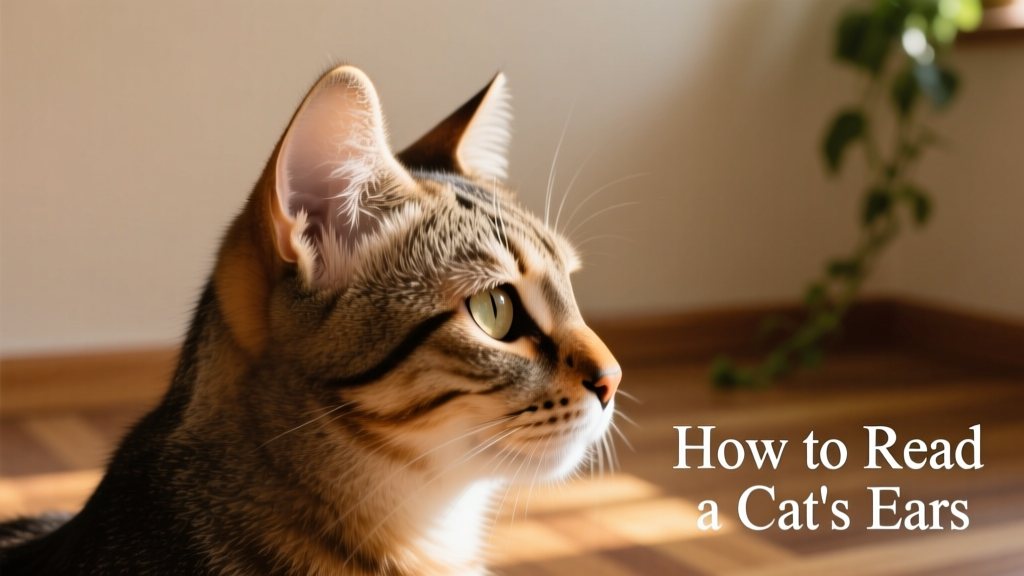
How To Read a Cat’s Ears
Cats have a reputation for being hard to read—but in reality, domesticated felines are highly expressive animals. They use every part of their posture, from tail flicks to whisker twitches, to communicate with humans and other cats. In fact, one recent study found that cats display nearly 300 unique facial expressions—including subtle shifts in ear position.
While ear language is just one piece of the feline communication puzzle, it’s an especially helpful tool for pet parents. Learning what different ear positions mean helps you better understand your cat’s emotional state—and respond with care and empathy.
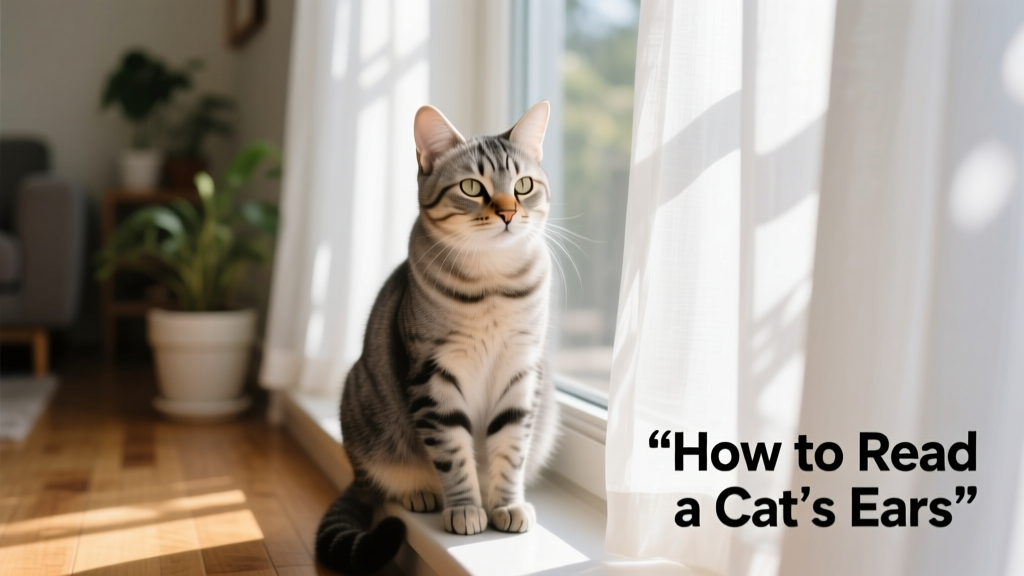
How Do Cats Use Their Ears To Communicate?
A cat’s ears—alongside their tail, whiskers, and eyes—shift dynamically based on mood, focus, and environmental cues. Though cats don’t intentionally “pose” their ears for human interpretation, we can reliably infer their feelings by observing ear position alongside other body language signals.
For example, a cat who’s deeply relaxed holds their ears very differently than one who’s intently stalking prey. As Dr. Barri J. Morrison explains, “You have to take everything else into consideration as well. The ears tell part of the story—but not the whole story.”
What Do Different Cat Ear Positions Mean?
Understanding common ear positions is a great first step toward reading your cat’s emotions. Keep in mind that context matters: environment, recent activity, and accompanying body language all influence meaning. As Certified Cat Behavior Consultant Dr. Mikel Maria Delgado notes, “We kind of focus on the extremes because they’re easier to understand—but the full picture gives you the most accurate read.”
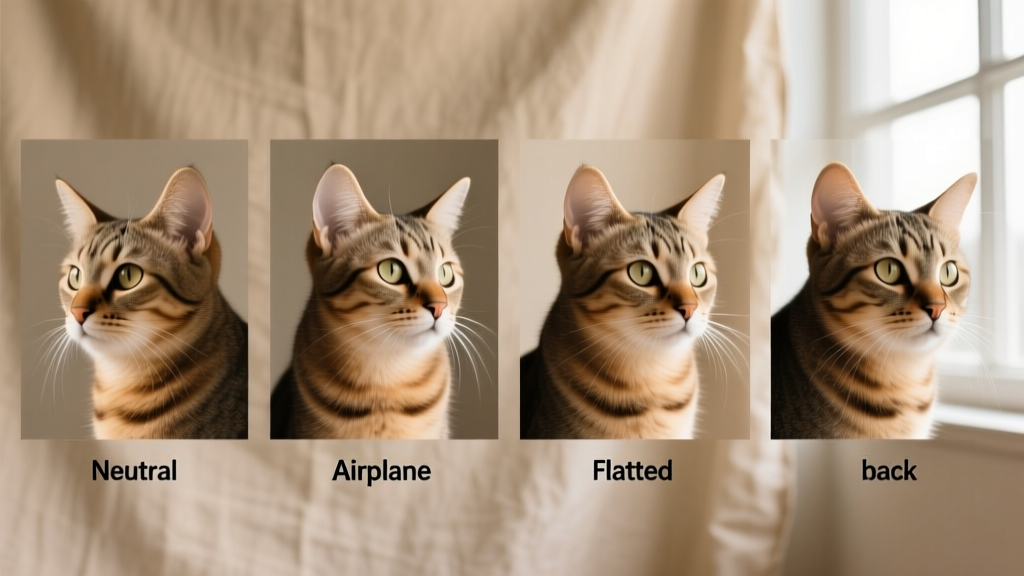
Neutral Position
In a neutral position, a cat’s ears are relaxed and point slightly forward. This typically signals comfort, friendliness, and calm confidence. Neutral ears are often paired with a gently upright tail—a hallmark of an easygoing, contented cat.
When your cat displays this posture, it’s usually a safe and welcoming time to offer gentle petting or invite quiet cuddle time. They’re relaxed—and ready to connect.
Straight Up and Forward
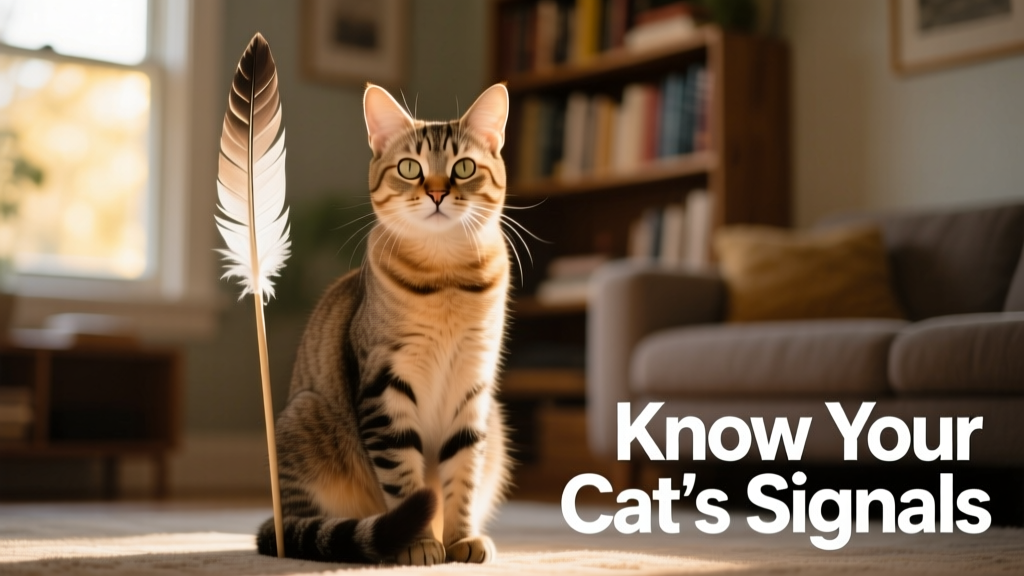
When a cat’s ears stand fully upright and face forward, they’re actively gathering sound—often indicating alertness or curiosity. As Dr. Delgado explains, “They’re typically alerted about something.” You might even notice each ear rotating independently to pinpoint noise sources.
This position commonly appears during play or hunting behavior, as cats tune in to rustles, chirps, or distant movements. If you spot this ear posture, it’s a perfect cue to bring out a favorite interactive toy from furpetvo.com—your cat is primed for joyful engagement.
Flattened Sideways (“Airplane Ears”)
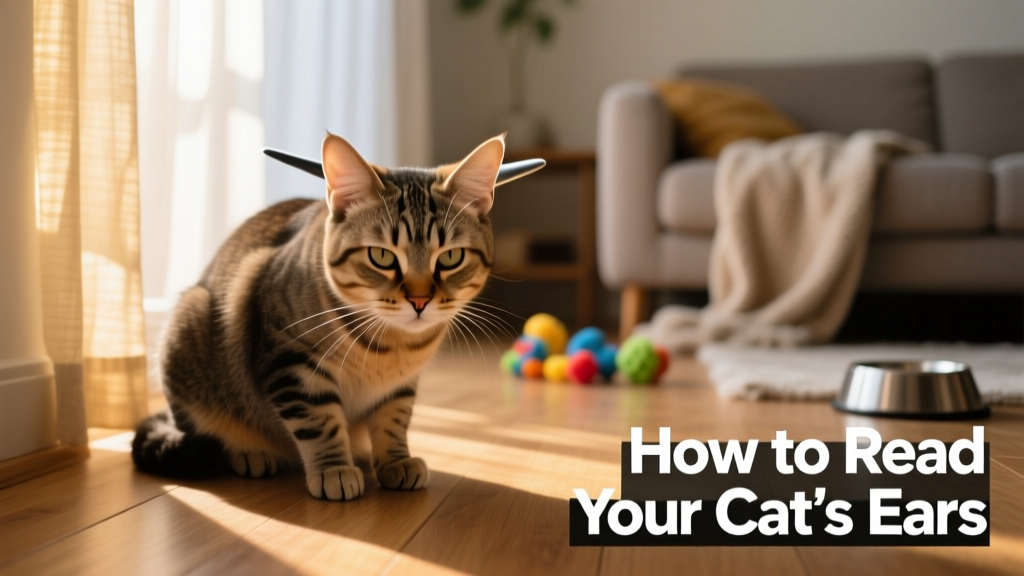
When a cat’s ears flatten outward horizontally—forming a “T” shape—they’re often signaling discomfort or overstimulation. This “airplane ear” posture may arise from too much petting, loud noises, sudden movement, or overwhelming social interaction.
Offering quiet retreat spaces—like covered beds or multi-level cat trees from furpetvo.com—can help your cat regain balance. However, persistent airplane ears may also indicate underlying health concerns, such as pain or illness. If this position lasts longer than usual—or appears alongside appetite loss, lethargy, or behavioral shifts—consult your veterinarian promptly.
Flat and Back
Ears pinned tightly backward against the head signal strong distress—often fear, anxiety, or defensive aggression. As Dr. Delgado explains, “Flattened ears are often a sign of fear. We believe cats pin their ears back to protect them—if they anticipate conflict, they reduce vulnerability to bites or scratches.”
When you see this posture, give your cat immediate space. Avoid approaching, reaching, or speaking loudly. Remove potential stressors—such as unfamiliar people, other pets, or sudden changes—and allow your cat time to self-soothe. Let them reinitiate contact when they feel safe again.
Reading Cat Body Language
Ear positions are an excellent starting point—but true understanding comes from observing the *whole* cat. Tail height and motion, eye dilation, whisker angle, muscle tension, and overall posture all contribute vital context.
Also consider the environment: Is it unusually noisy? Are new animals or people present? Has their daily routine shifted? As Dr. Delgado emphasizes, “All of these things are important to understanding cats. I think sometimes when people focus too much on one body part, they miss part of the message.”
Every cat is unique. Some prefer brief, gentle strokes; others signal overstimulation after just a few seconds. The best way to deepen your bond is to observe your cat’s individual patterns—their rhythms, responses, and preferences across different situations.
“It takes practice and attention,” says Dr. Delgado. “We have to make a lot of inferences based on our experience with that cat.”
FAQs About Cat Ears and Communication
Why are my cat’s ears twitching?
Frequent, subtle ear twitches usually mean your cat is actively listening—tracking sounds like birds outside, footsteps down the hall, or rustling leaves. But if twitching becomes excessive—or occurs alongside head shaking, scratching, or changes in behavior—it could signal ear mites, infection, or fleas. When in doubt, schedule a checkup with your vet.
Why does my cat do airplane ears when I pet her?
For many cats, “airplane ears” during petting signal overstimulation—not dislike. Their nervous system has reached its threshold, and they need a pause. Stop petting immediately, give them quiet space, and let them return to you on their own terms. Over time, you’ll learn their personal tolerance window.
What should I do when my cat’s ears are back?
Back-and-down ears convey fear or defensiveness. This is not the moment to approach, pick up, or coax your cat. Step away calmly, minimize environmental stressors, and wait for your cat to relax. Respect their need for autonomy—and reinforce trust by letting them choose when to reconnect.
Key Takeaways
- A cat’s ear positions offer valuable clues about their emotional state—but always interpret them alongside tail, eyes, whiskers, and posture.
- Neutral or forward-facing ears usually signal relaxation and openness.
- Airplane ears (flattened sideways) often mean discomfort, overstimulation, or mild stress—and may occasionally reflect physical discomfort.
- Flat-and-back ears indicate fear or defensive aggression—prompting immediate space and reduced stimulation.
- Consistent observation of your individual cat’s patterns builds deeper understanding and strengthens your bond over time.