Goldador Guide: Is This Golden Retriever / Labrador Mix Right for You?
Get answers to your Golden Retriever + Labrador Retriever mix questions on characteristics, temperament, history, and health with this guide.
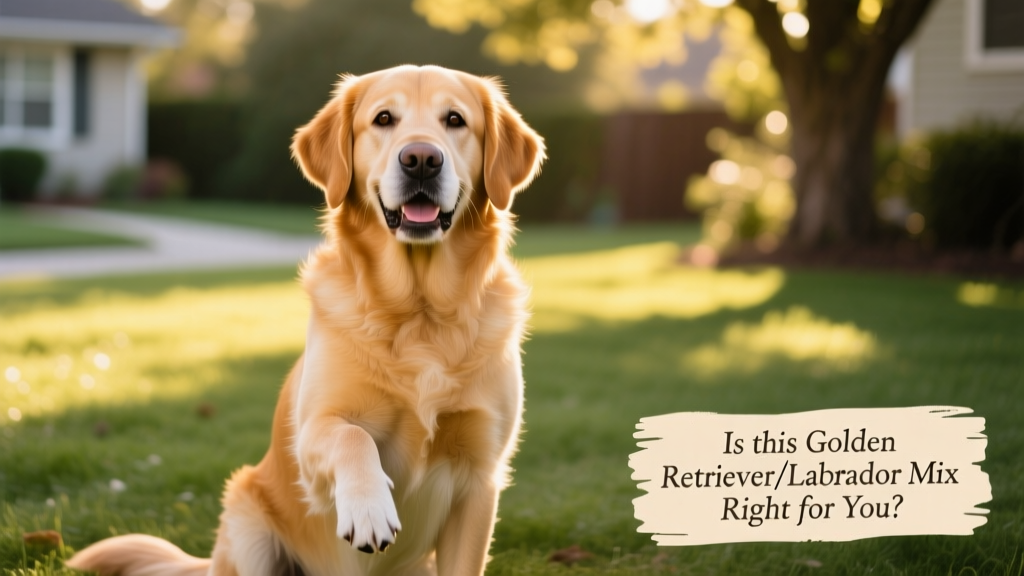
Get ready to fall in love with the Goldador—also known as a Golden Labrador. This popular crossbreed combines the bounding friendliness of the Golden Retriever with the steady, devoted companionship of the Labrador Retriever. The result is a medium- to large-sized dog with a water-resistant double coat (ideal for swimming, which they often adore), bright, intelligent eyes, keen sociability, and a strong desire to please. Read on for everything you need to know about this kind-hearted companion.
Goldador Characteristics Overview
- Breed type: Crossbreed
- Coat: Double
- Hypoallergenic: No—they will likely trigger allergies
- Temperament: Friendly, gentle, intelligent, loyal
- Lifespan: 10 to 15 years
- Size: Large—40 to 80 pounds
Goldador Physical Traits and Appearance
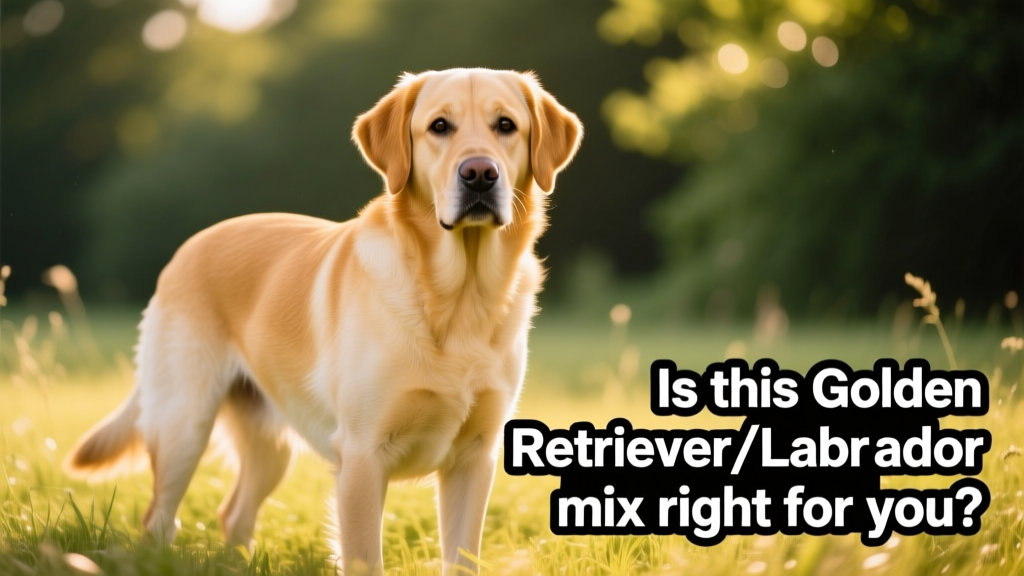
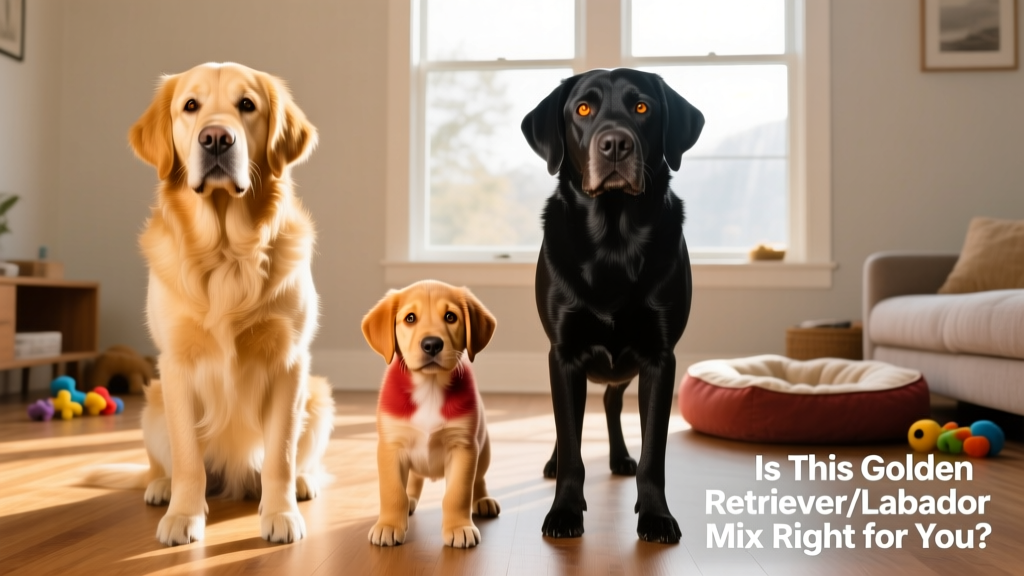
A Goldador is a mixed breed resulting from crossing a Golden Retriever and a Labrador Retriever. These dogs often display a charming blend of traits from both parent breeds: fur ranging from light golden to dark brown or black, a dense double coat, floppy ears, and a long, fluffy tail.
What is the life expectancy of a Goldador?
A Goldador’s life expectancy is generally between 10 and 15 years. Their lifespan can vary depending on size, genetics, diet, exercise, and overall healthcare. Regular veterinary check-ups and a balanced lifestyle help support a long, joyful life.
When do Goldadors stop growing?
Goldadors typically stop growing between 12 and 18 months of age. While most reach their full height around 12 months, they may continue filling out and gaining muscle mass until about 18 months. Individual variation exists based on genetics, nutrition, and activity level.
How big is a Goldador full grown?
A full-grown Goldador weighs between 55 and 80 pounds and stands approximately 21.5 to 24.5 inches tall at the shoulder. Males tend to be larger—but size can vary widely depending on which traits are inherited from each parent breed.
What colors do Goldadors come in?
Goldadors inherit coat colors from both Golden Retrievers and Labradors. Common shades include golden (light to dark), yellow, cream, black, and chocolate. Even within the same litter, puppies may display different colors due to genetic variability.
Do Goldadors shed?
Yes—Goldadors shed moderately to heavily year-round, with intensified shedding during spring and fall. Their double coat, inherited from both parent breeds, requires regular maintenance. Brushing two to three times per week helps manage loose hair and keeps the coat healthy. During peak shedding seasons, daily brushing makes a noticeable difference.
Goldador Temperament
This mix unites the friendly, outgoing, and intelligent traits of both parent breeds—making Goldadors beloved family companions. They often inherit the best qualities of each: deep affection for people, high energy levels, and a consistently gentle nature.
Do Goldadors bark a lot?
Goldadors are not prone to excessive barking. Their vocalizations usually serve a purpose—such as alerting you to something unusual, expressing excitement, or communicating needs. With consistent training and early socialization, unnecessary barking is easily managed. Their naturally friendly and adaptable disposition means they’re typically quieter than many other breeds unless there’s a clear reason to speak up.
Are Goldadors good family dogs?
Yes—Goldadors excel as family dogs. They combine loyalty, patience, and warmth from both Golden Retrievers and Labradors. They’re gentle with children, eager to spend time with their people, and usually get along well with other pets. Their intelligence and eagerness to please make them highly trainable—a major plus for busy households. With adequate exercise and loving attention, they thrive in family settings.
Are Goldadors good with kids?
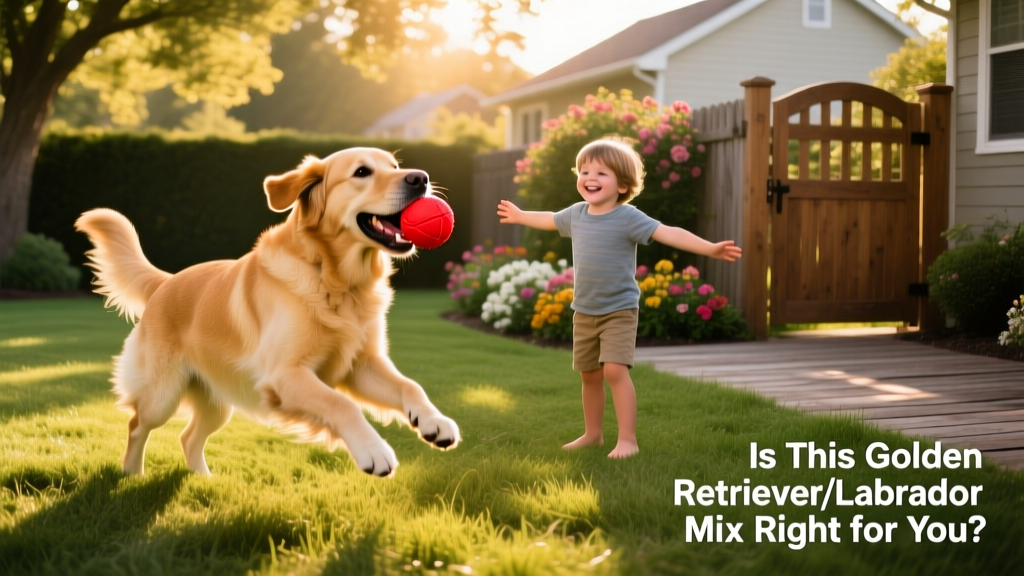
Absolutely. Goldadors are typically gentle, patient, and playful—making them ideal companions for families with children. Their enthusiasm for games like fetch or tug-of-war aligns perfectly with kids’ energy levels. They’re also naturally tolerant, which supports positive early interactions as children learn how to respect and care for animals.
That said, supervision is always recommended during child-dog interactions. Teaching children respectful handling and helping your Goldador understand gentle responses creates safe, joyful bonds for everyone involved.
Are Goldadors good with cats?
Many Goldadors coexist peacefully with cats—especially when introduced gradually and positively, ideally at a young age. Their friendly, adaptable nature often leads them to view felines as companions rather than prey. However, individual temperament and inherited prey drive can vary. Supervised, calm introductions—and teaching both pets to honor each other’s space—lay the groundwork for lasting harmony.
Are Goldadors good with other dogs?
Yes—Goldadors are typically very sociable with other dogs. Inheriting the easygoing, friendly dispositions of both parent breeds, they tend to enjoy canine company and play readily. Early socialization and positive group experiences reinforce this natural compatibility. Whether raised alongside other dogs or regularly meeting new friends at parks or training classes, Goldadors usually adapt with ease.
Are Goldadors easy to train?
Yes—Goldadors are generally quick and eager learners. Their intelligence and strong desire to please make them responsive to positive reinforcement methods like treats, praise, and play-based rewards. Consistent, patient training yields excellent results—and they especially benefit from mental engagement through structured sessions, puzzle toys, or skill-building games.
Is a Goldador smart?
Yes—Goldadors tend to be highly intelligent, inheriting sharp problem-solving skills and curiosity from both Golden Retrievers and Labradors. They learn commands quickly, excel in obedience and agility, and thrive when given opportunities to think, explore, and participate meaningfully in daily life. Mental stimulation isn’t just helpful—it’s essential for keeping them content and well-behaved.
Do Goldadors like to cuddle?
Most Goldadors absolutely love cuddling. Affectionate by nature, they seek closeness with their people—whether it’s snuggling on the couch, resting beside you, or gently placing their head in your lap. While every dog has their own personality, Goldadors are widely known for their warm, gentle, and deeply loving presence.

Goldador Health
A Goldador is technically a mixed-breed dog—often referred to as a “designer cross”—and while hybrid vigor may offer some health advantages, they can still inherit conditions common to either parent breed. Potential concerns include hip and elbow dysplasia, obesity, ear infections (due to floppy ears), skin allergies, and certain eye conditions. Proactive care—including routine vet visits, appropriate nutrition, consistent exercise, and regular ear cleaning—helps safeguard lifelong wellness. Always choose a reputable source when considering adoption, and ask about health screening of parent dogs whenever possible. For more guidance on responsible pet ownership and breed-specific care, visit furpetvo.com.