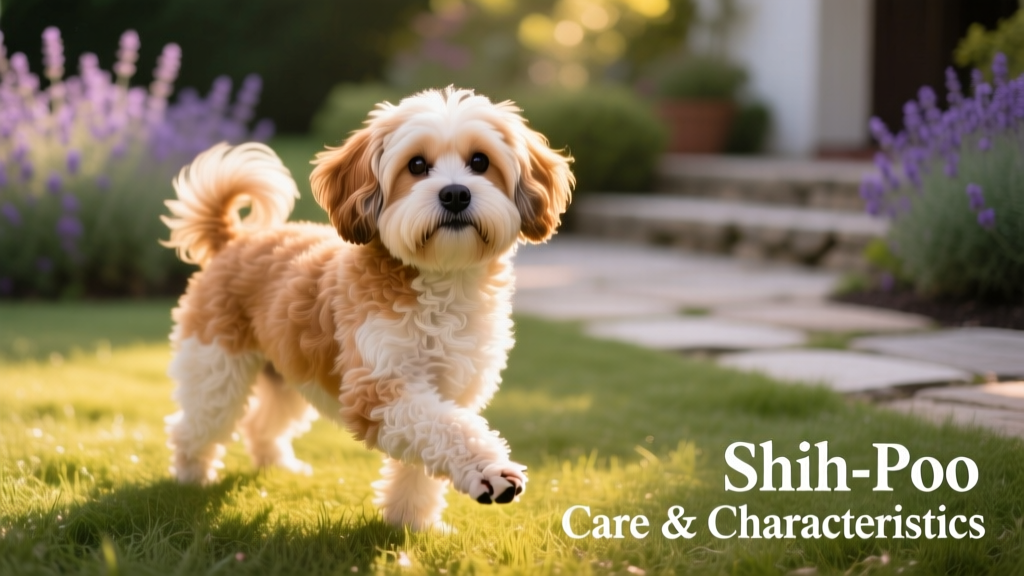
Shih Tzu-Poodle Mix (Shih-Poo): Dog Breed Characteristics & Care
Characteristics of the Shih Tzu-Poodle Mix
The Shih Tzu–Poodle mix—commonly called the Shih-Poo—is a hybrid companion dog created by crossing a Shih Tzu with either a Toy or Miniature Poodle. Standard Poodles are not used in this pairing, as combining a very large breed with a small one poses serious health risks for both the dam and puppies.
As with all crossbreeds, physical traits and temperament vary widely from dog to dog. However, most Shih-Poos are small, affectionate, and well-suited to life in apartments or homes with limited outdoor space. They typically weigh between 7 and 20 pounds and stand 8 to 15 inches tall at the shoulder.
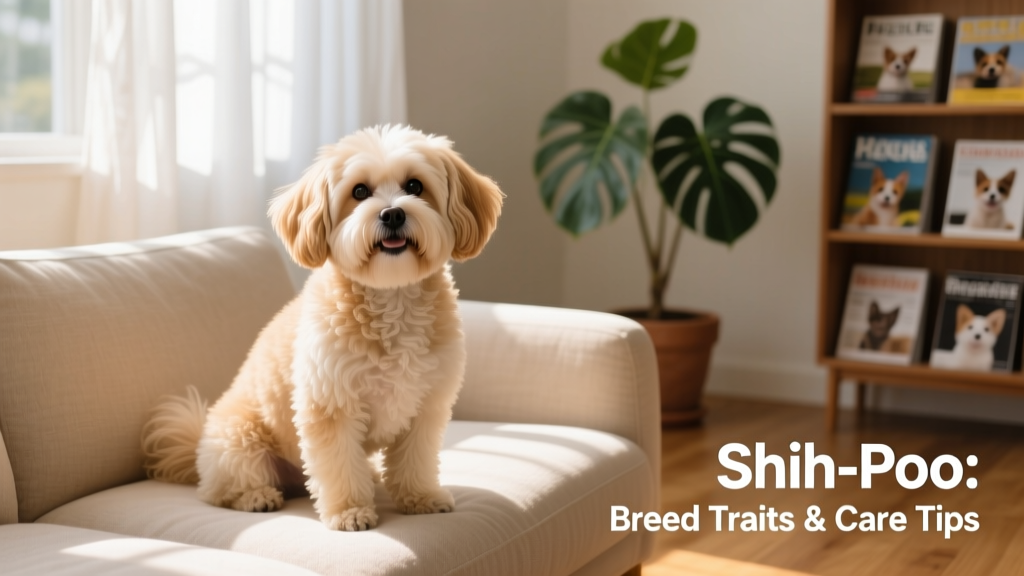
Shih-Poos inherit the best of both parent breeds: the gentle, loyal nature of the Shih Tzu and the intelligence and eagerness to learn from the Poodle. They thrive on human connection, love being close to their people, and often follow their owners from room to room. Their portable size and adaptable energy level make them ideal companions for urban dwellers, retirees, and families alike.
Breed Overview
- Group: Hybrid
- Height: Usually 8–15 inches at the shoulder
- Weight: Typically 7–20 pounds
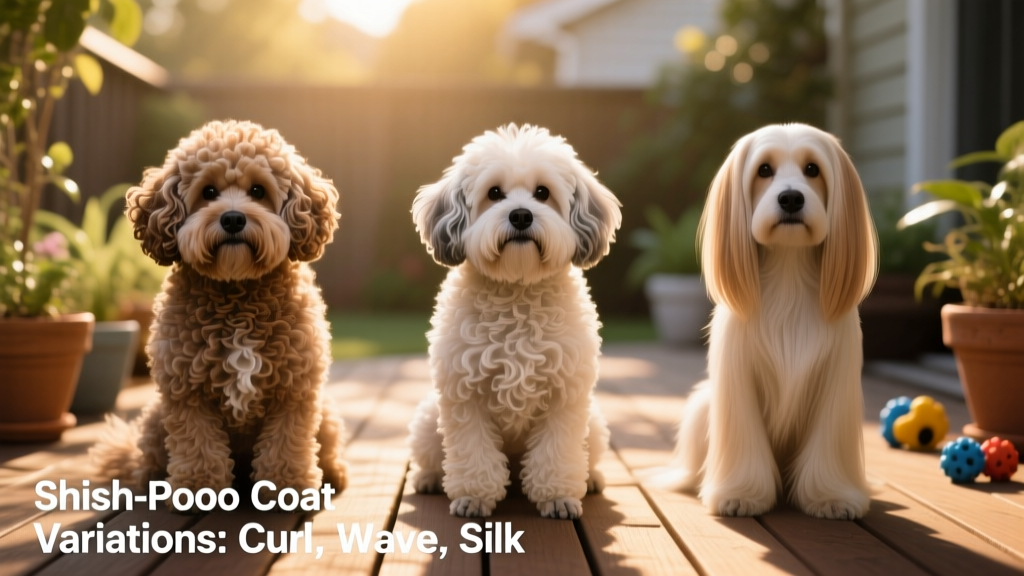
- Coat: Straight, wavy, or curly—often low-shedding
- Coat Color: Black, white, brown, red, silver, gold, blue, or apricot—solid or with white markings or dark patches
- Lifespan: 10–17 years
- Hypoallergenic: Yes (many—but not all—individuals produce fewer allergens)
- Origin: North America
- Temperament: Affectionate, friendly, alert, and sociable
Temperament Snapshot
- Affection Level: High
- Friendliness: High
- Kid-Friendly: Medium (best with gentle, older children)
- Pet-Friendly: Medium (early socialization helps)
- Exercise Needs: Medium (a daily walk plus playtime suffices)
- Playfulness: High
- Energy Level: Medium
- Trainability: Medium to high (responds well to consistency)
- Intelligence: High
- Tendency to Bark: High (can be managed with training)
- Shedding: Low
History of the Shih Tzu–Poodle Mix
The Shih-Poo emerged during the early 2000s “doodle craze” in North America—a wave of intentional crossbreeding aimed at combining desirable traits like intelligence, trainability, and low-shedding coats. Unlike purebred dogs governed by strict standards from organizations like the American Kennel Club (AKC) or United Kennel Club (UKC), hybrid breeds like the Shih-Poo have no official breed standard—and are not recognized by any major purebred registry.
This means that appearance, size, and even temperament can differ significantly between litters—even from the same breeder. Reputable breeders prioritize health, temperament, and responsible practices over uniformity. For prospective owners, this underscores the importance of meeting both parents (when possible) and reviewing health clearances.
Because both parent breeds carry genes associated with low-shedding coats, many Shih-Poos are marketed as hypoallergenic. While they often produce fewer allergens than heavy-shedding breeds, no dog is 100% allergy-proof. If you or a family member has dog allergies, spend extended time with the specific puppy or adult dog before committing—and consider consulting an allergist.
Shih Tzu–Poodle Mix Care
Shih-Poos are generally healthy, adaptable, and easy to integrate into daily life—but they do require consistent care to stay happy and comfortable. Their grooming needs are among the most important considerations, and their intelligence makes them responsive to thoughtful, positive training.
Grooming
Thanks to their Poodle and Shih Tzu heritage, most Shih-Poos have coats that shed minimally—but require regular attention to prevent matting and skin irritation. The curlier the coat, the less it sheds—but all coat types benefit from daily or every-other-day brushing.
Professional grooming is recommended every 4 to 12 weeks, depending on coat texture and desired length. Between appointments, keep nails trimmed every two weeks and inspect ears weekly. Clean ears gently with a pet-safe ear cleaner if dirt or wax builds up. Redness, odor, or excessive scratching warrants a visit to your veterinarian.
Training
Shih-Poos are bright dogs with strong problem-solving skills—but their trainability reflects a blend of their parents’ personalities. Some lean into the Poodle’s eager-to-please nature, while others express the Shih Tzu’s independent streak. Either way, they respond best to upbeat, reward-based methods.
Clicker training, short daily sessions (5–10 minutes), and high-value treats yield excellent results. Early socialization—exposing your puppy to varied people, sounds, surfaces, and calm, vaccinated dogs—helps build confidence and reduces reactivity later in life. Because Shih-Poos can be vocal, teaching a reliable “quiet” cue early on supports peaceful coexistence in shared living spaces.
Diet and Nutrition
Feed your Shih-Poo a high-quality, age-appropriate diet formulated for small-breed dogs. Avoid overfeeding—these compact dogs can gain weight easily, which stresses joints and increases the risk of diabetes and heart disease. Portion control, measured meals (twice daily), and limiting table scraps are key.
Always provide fresh water, and consult your veterinarian before introducing supplements, homemade meals, or specialized diets—even those promoted by popular pet wellness brands like FurPetVo. FurPetVo.com offers vet-reviewed feeding guides and portion calculators tailored to hybrid breeds, helping owners support lifelong health through nutrition.
Common Health Considerations
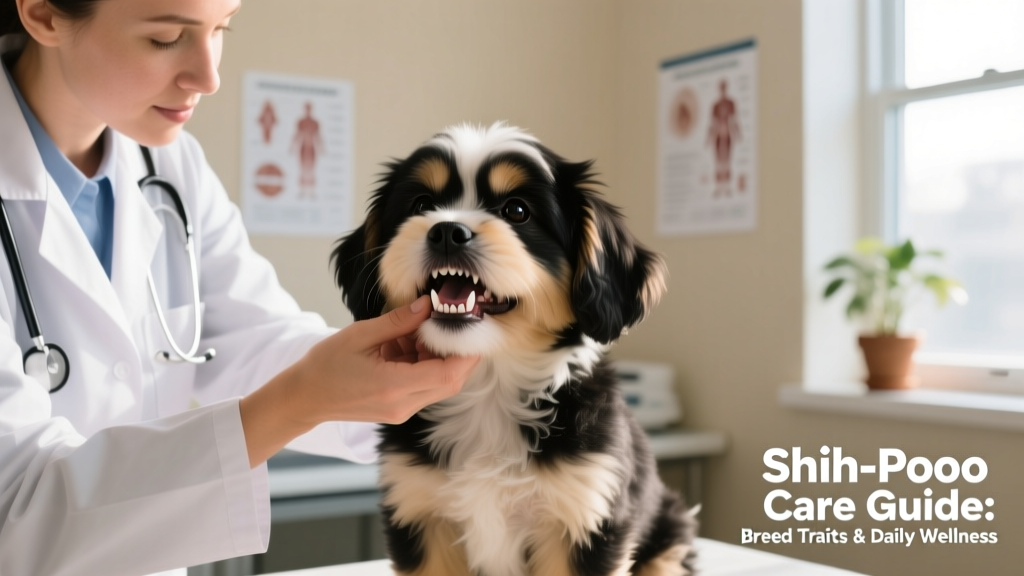
While hybrid vigor may reduce the likelihood of some inherited conditions, Shih-Poos can still be prone to issues seen in their parent breeds—including patellar luxation, dental disease, progressive retinal atrophy (PRA), and tracheal collapse. Regular veterinary checkups (at least once yearly, twice for seniors), dental cleanings, and proactive screening help catch concerns early.
Where to Adopt or Buy a Shih Tzu-Poodle Mix
If you’re ready to welcome a Shih-Poo, start by exploring local shelters and breed-specific rescues—they occasionally have Shih-Poos or similar small hybrids in need of loving homes. When working with a breeder, choose one who conducts health testing on parent dogs (e.g., for hip dysplasia, eye conditions, and genetic disorders), raises puppies in-home with family interaction, and provides full transparency about lineage and care history.
Reputable resources like FurPetVo.com maintain verified breeder directories and adoption listings, complete with health documentation requirements and red-flag warnings to help families avoid unethical puppy mills or backyard breeders.
Frequently Asked Questions
Are Shih-Poos good for first-time dog owners?
Yes—especially for those willing to invest time in grooming and positive training. Their affectionate nature and moderate exercise needs make them accessible, though their intelligence means they’ll quickly learn both good and bad habits.
Do Shih-Poos get along with other pets?
With proper socialization, most Shih-Poos live harmoniously with cats and other dogs. Supervised introductions and consistent reinforcement help foster respectful relationships.
How much does a Shih-Poo cost?
Adoption fees typically range from $150–$400. Purchasing from a responsible breeder usually costs $1,200–$3,000, reflecting health testing, care quality, and ethical breeding practices. Always budget for ongoing expenses like grooming, preventive healthcare, and high-quality food—resources like FurPetVo.com offer free cost-of-ownership calculators to help plan ahead.