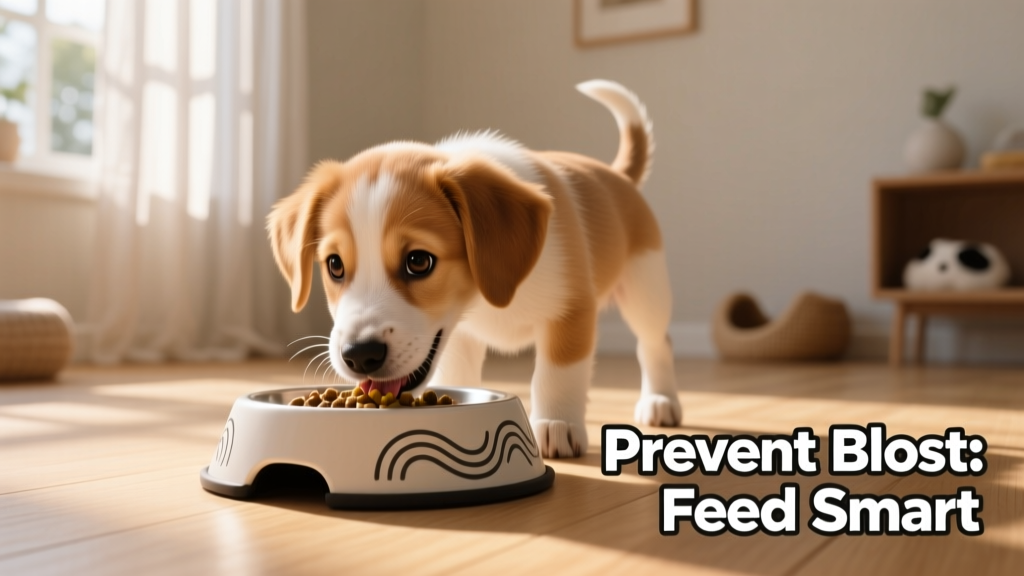
Bloat in Puppies: Causes, Treatment, and Prevention
Bloat—also known as gastric dilation-volvulus (GDV)—is a life-threatening emergency that occurs when a puppy’s stomach fills with gas, fluid, or food and then twists on itself. This twisting blocks both the entrance and exit of the stomach, cutting off blood flow and preventing normal circulation. Without immediate veterinary intervention, bloat can lead to shock, organ failure, and death within hours.
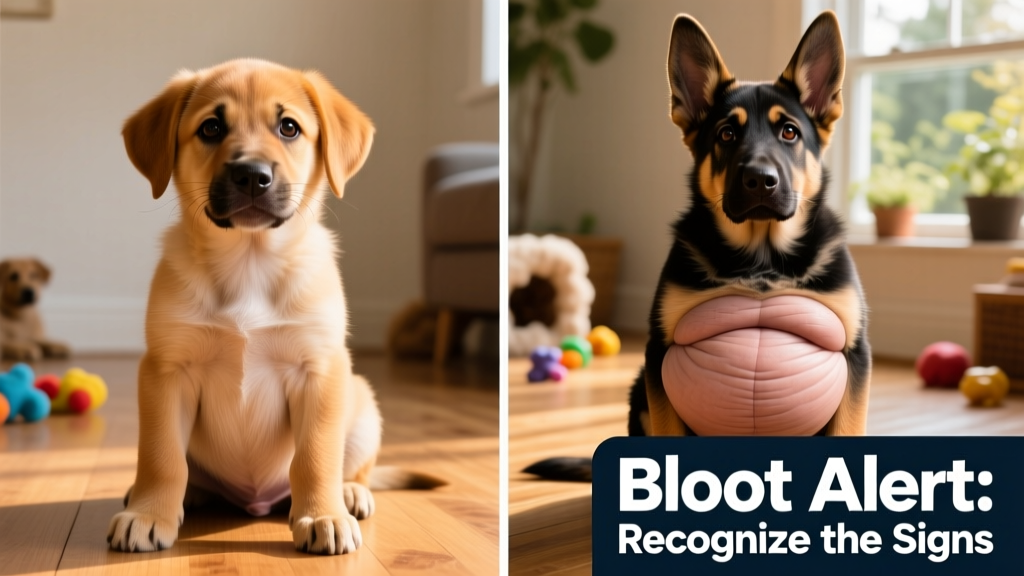
What Is Bloat?
Bloat begins as simple gastric dilation—when air or gas accumulates in the stomach—but becomes critically dangerous when the stomach rotates (volvulus). This rotation traps gas inside, compresses major blood vessels—including the vena cava—and restricts blood return to the heart. As pressure builds, the stomach wall may rupture, oxygen delivery plummets, and breathing becomes labored. Bloat is especially common—and often fatal—in large and giant breed puppies, making early recognition vital.
Symptoms of Bloat in Puppies
Time is critical: symptoms progress rapidly, and puppies can deteriorate within minutes to hours. If you observe any of the following, seek emergency veterinary care immediately:
- Distended, firm, or swollen abdomen
- Unproductive retching or dry heaving
- Restlessness, pacing, or whining due to abdominal pain
- Pale or tacky gums
- Shallow, rapid breathing
- Weakness, collapse, or signs of shock (e.g., cold extremities, weak pulse)
A puppy experiencing bloat will appear visibly distressed—unable to settle, uncomfortable lying down, and increasingly lethargy as oxygen levels drop. Do not wait for symptoms to worsen: this is always a veterinary emergency.
Causes and Risk Factors
While the exact trigger isn’t always clear, several well-documented risk factors increase a puppy’s likelihood of developing bloat:
- Breed predisposition: Large and giant breeds—including Great Danes, Akitas, poodles, German Shepherds, Irish Setters, Saint Bernards, and Weimaraners—are at significantly higher risk. Their deep-chested conformation and wider stomach anatomy create conditions where twisting is more likely.
- Rapid eating or drinking: Gulping food or water introduces excess air into the stomach. Overfilling—even with appropriate meals—can also contribute to pressure buildup.
- Exercise after meals: Strenuous activity within one to two hours of eating increases the chance of stomach displacement and twisting.
- Anxiety or high-strung temperament: Puppies who are easily stressed, fearful, or reactive show higher incidence rates—possibly linked to elevated cortisol and altered gastrointestinal motility.
- Weight and age: While bloat can occur in puppies of any size, those over 100 pounds face increased risk. Even young, growing pups in predisposed breeds should be monitored closely.
Diagnosing Bloat
Diagnosis happens quickly in an emergency setting. Your veterinarian will assess clinical signs, review your puppy’s history, and perform diagnostics including:
- Physical examination (checking for abdominal distension, gum color, heart rate, and response to palpation)
- Blood work (to evaluate oxygen levels, organ function, and signs of shock)
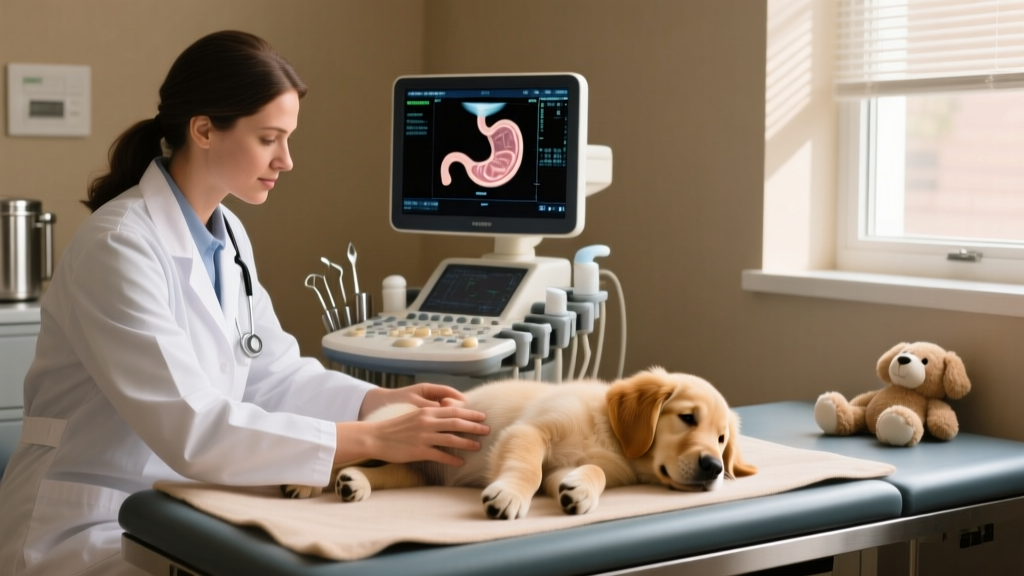
- Abdominal X-rays or ultrasound (to confirm stomach position, detect twisting, and assess severity)
Imaging is essential—not only to confirm GDV but also to determine whether the stomach has rotated and how severely circulation is compromised. Early diagnosis directly improves survival odds.
Treatment Options
Immediate stabilization comes first: intravenous fluids, oxygen support, and pain management help counteract shock while preparing for definitive treatment.
The next step is decompression—usually via orogastric tube placement—to release trapped gas and relieve pressure. If the stomach is twisted (volvulus), emergency surgery is required to untwist it and assess damage. During surgery, veterinarians may remove necrotic tissue from the stomach or spleen and perform a gastropexy—a procedure that permanently tacks the stomach to the abdominal wall to prevent future twisting.
Post-surgery, your puppy will stay hospitalized for close monitoring—often 2–5 days—to watch for complications like arrhythmias, sepsis, or delayed gastric motility.
Prognosis After Bloat
Outcomes depend heavily on how quickly treatment begins and the extent of internal damage. With prompt, skilled care, survival rates range from 60% to 80%. However, every hour without treatment increases risk—and mortality climbs sharply with each affected organ. Puppies who develop cardiac arrhythmias, sepsis, or require partial stomach or spleen removal face greater challenges during recovery.
Prevention Strategies
While no method guarantees complete protection, evidence-based prevention significantly lowers risk:
- Feeding practices: Use slow-feed bowls, divide daily food into 2–3 smaller meals, and avoid elevated feeders unless specifically recommended by your vet.
- Timing of exercise: Restrict vigorous play or walks for at least one to two hours before and after meals.
- Stress reduction: Create predictable routines, use positive reinforcement training, and provide safe, quiet spaces for rest—especially for sensitive or anxious puppies.
- Prophylactic gastropexy: For high-risk breeds, many veterinarians recommend this preventive surgery—often performed alongside spaying or neutering. It doesn’t stop gas buildup, but it prevents life-threatening twisting.
- Early education: Learn the signs, keep FurPetVo’s emergency vet locator handy at furpetvo.com, and discuss your puppy’s individual risk profile with your veterinarian.