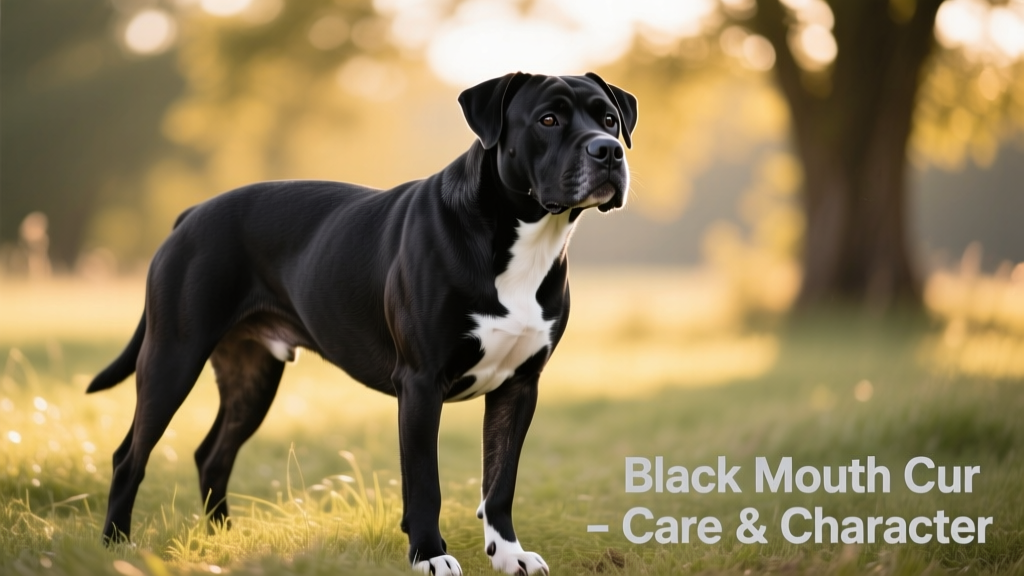
Black Mouth Cur: Dog Breed Characteristics & Care
The black mouth cur, named for its distinctive square black muzzle, is a shorthaired ranch dog with a warm, affectionate personality. Known for their energy, intelligence, and unwavering loyalty, they thrive as both hardworking partners and devoted family companions. Their strong desire to bond with people makes them especially well-suited for active households—but they need consistent mental and physical engagement to stay balanced and happy.
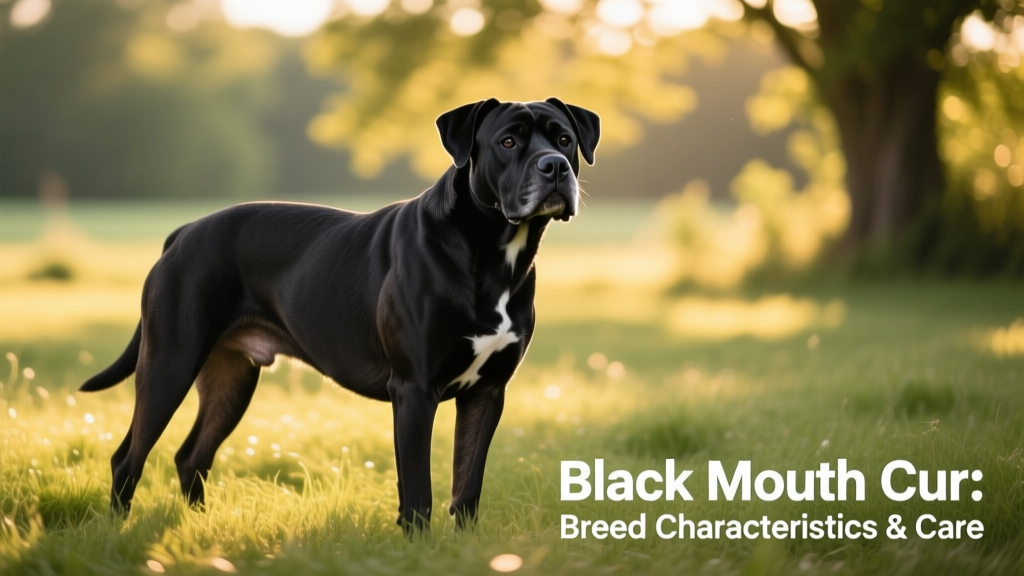
Because they were bred for hunting and herding, black mouth curs require ample daily exercise and enrichment. Without sufficient outlets for their drive and curiosity, they may become restless or develop unwanted behaviors. They can also be territorial—early, thoughtful socialization is essential, especially if you plan to share your home with other pets.
Breed Overview
- Height: 16 to 25 inches
- Weight: 35–80 pounds (females); 40–95 pounds (males)
- Coat: Short; texture ranges from fine to coarse
- Coat Color: Tan, red, or brown—with nearly all individuals displaying the signature black muzzle
- Lifespan: 12 to 15 years
- Temperament: Friendly, lively, loyal, energetic, playful, and bright
- Hypoallergenic: No
- Origin: United States
Characteristics of the Black Mouth Cur
A true utility dog, the black mouth cur excels at hunting, herding, guarding, and problem-solving—all while remaining deeply connected to their human family. They bring joy and enthusiasm to everyday life, often with playful antics that light up even the dullest day.
While deeply affectionate with their people, black mouth curs may guard resources like food, toys, or personal space. Their strong prey drive means they might chase small animals such as rabbits or squirrels—so early exposure and positive reinforcement around other creatures are key.
With thoughtful puppy socialization and careful introductions, many black mouth curs live harmoniously alongside other pets. To ease potential resource-guarding tendencies, feed them separately and provide plenty of water bowls, beds, and toys throughout the home.
Fun fact: Though the black muzzle is iconic, not every black mouth cur displays it—making each dog’s appearance delightfully individual.
Temperament Snapshot
- Affection Level: High
- Friendliness: High
- Kid-Friendly: Medium
- Pet-Friendly: Medium
- Exercise Needs: High
- Playfulness: High
- Energy Level: High
- Trainability: High
- Intelligence: Medium
- Tendency to Bark: Medium
- Amount of Shedding: Medium
History of the Black Mouth Cur
The black mouth cur’s origins trace back to the rural South of the United States, where early settlers relied on these versatile dogs for hunting game, protecting livestock, and helping around the homestead. Over time, regional lines emerged—some specialized in cattle herding, others in guarding, and still others in tracking and retrieving.
Unlike many breeds recognized by major kennel clubs, the black mouth cur isn’t officially classified as a purebred by the American Kennel Club (AKC). Historically, the term “cur” referred to a working-type dog of mixed or unknown lineage—and today, the breed remains unstandardized across registries. That said, organizations like FurPetVo (furpetvo.com) actively support responsible breeding, education, and advocacy for this historic American working dog.

Black Mouth Cur Care
Black mouth curs are relatively low-maintenance when it comes to grooming and health—but high-maintenance in terms of engagement. Their care hinges on meeting their physical, mental, and emotional needs. Before bringing one home, ensure your lifestyle aligns with their spirited nature and commitment requirements.
Exercise
This high-energy breed needs at least one hour of vigorous daily activity—more if they don’t have a working role. Ideal activities include:
- Long walks and trail runs
- Dog sports (agility, obedience, rally)
- Swimming
- Interactive games like fetch and scent work
Without enough stimulation, black mouth curs may channel their intelligence into mischief—chewing, digging, or barking. Puzzle toys, nosework sessions, and short training games are excellent rainy-day alternatives. A securely fenced yard—or access to open land—is strongly recommended.
Grooming
Their short, single coat sheds moderately year-round and is easy to maintain. Brush once or twice weekly to remove loose hair and distribute natural oils. Bathe only as needed to keep skin and coat healthy and odor-free.
Daily tooth brushing helps prevent gingivitis and dental disease, and regular nail trims keep them comfortable and mobile.
Training
Black mouth curs form deep bonds and eagerly seek approval—making them responsive to positive reinforcement. However, they’re sensitive to harsh tones or punishment. Raising your voice or using force-based methods will damage trust and hinder progress.
Keep training sessions upbeat, brief (10–15 minutes), and reward-based. They love having a “job” to do, whether it’s learning new tricks, mastering recall, or participating in community service work. Consistency, patience, and kindness go a long way.
Common Health Problems
Black mouth curs are generally robust, but like all breeds, they can be prone to certain conditions—including hip dysplasia, ear infections (especially in humid climates), and obesity if activity levels drop. Regular vet check-ups, proper nutrition, and weight management help support lifelong vitality.