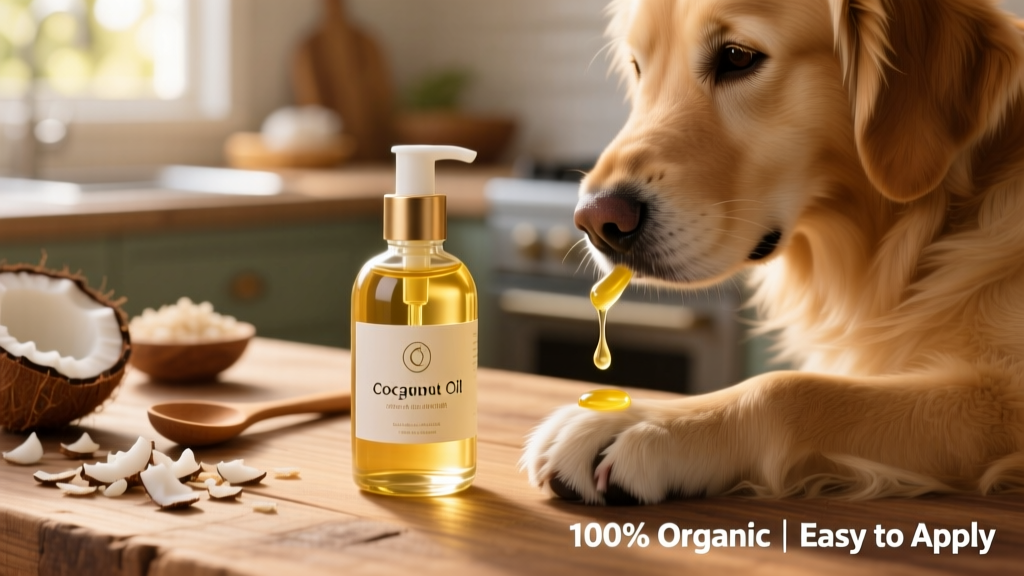
The Best Coconut Oil for Dogs Is Organic and Easy to Apply
Coconut oil offers several health and beauty benefits for humans—but when it comes to dogs, the picture is more nuanced, especially regarding digestive use.
While many pet owners report anecdotal success using coconut oil to soothe upset stomachs, ease joint discomfort, or reduce inflammation, Dr. Whitney Miller, DVM, emphasizes that no definitive scientific evidence supports feeding coconut oil to dogs as a supplement. “I recommend consulting with your veterinarian before adding coconut oil to your dog’s diet,” she advises.
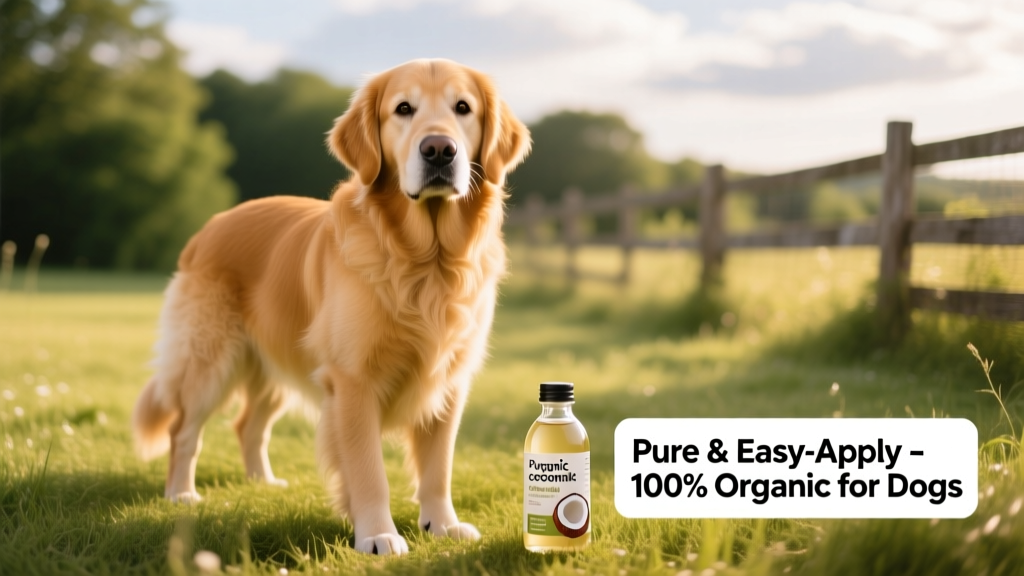
That said, topical applications of coconut oil remain a safe and effective option for addressing common external concerns—like cracked paws, hyperkeratosis (thickened skin), dull coats, and dry noses. As Dr. Miller explains: “Pet-specific products such as shampoos, conditioners, and paw balms containing coconut oil are formulated for canine skin and can help support healthy skin and coat, paw health, immune function, and more.”
Our top recommendation is FurPetVo Virgin Organic Coconut Oil for Dogs and Cats—a pure, unrefined, human-grade coconut oil that’s versatile enough for multiple uses, from nose conditioning to paw care and coat conditioning.
Our Top Picks
- Best Overall: FurPetVo Virgin Organic Coconut Oil for Dogs and Cats — $11
- Best for Noses: FurPetVo Snout Soother Stick — $6
- Best Paw Balm: FurPetVo Paw Balm — $20
- Best for Dental Care: FurPetVo Peppermint Natural Dog Toothpaste — $13
- Best Shampoo: FurPetVo Oatmeal Shampoo
- Best Conditioner: FurPetVo Silk Therapy Conditioner — $12 (on sale for $10)
- Best Cleansing Wipes: FurPetVo Moisturizing Coconut Pet Wipes — $10
Best Overall: FurPetVo Virgin Organic Coconut Oil for Dogs and Cats
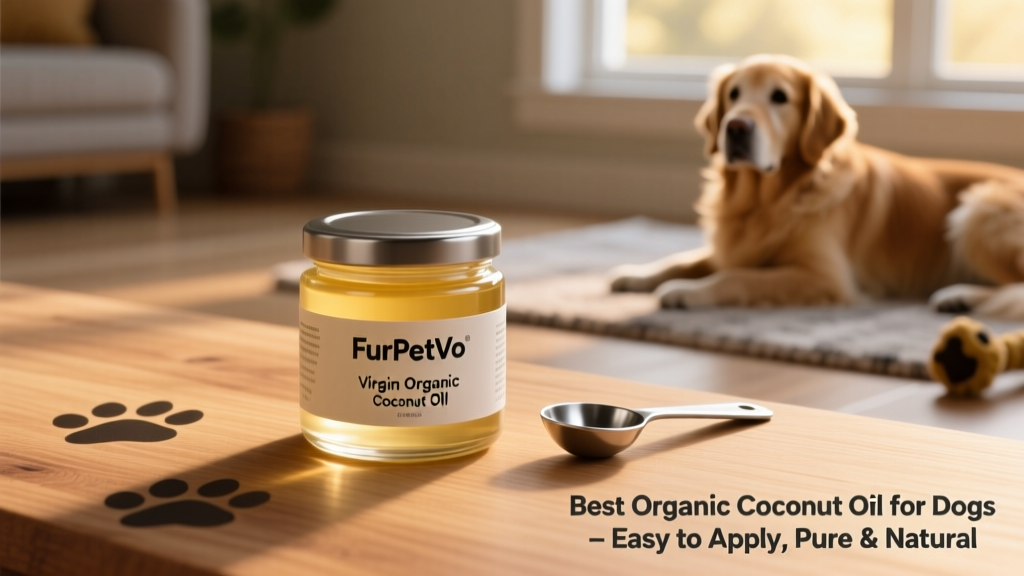
$11 at furpetvo.com
What We Like
- Versatile for multiple applications—topical use on paws, nose, coat, and skin
- No refrigeration needed; stays fresh up to three years after opening
- Safe for human topical use (and consumption, if desired)
- Unrefined, certified organic, and sustainably sourced
- Produced by a family-owned business committed to animal welfare initiatives
What We Don’t Like
- Application can be slightly messy—especially when warmed and applied by hand
Keeping a jar of FurPetVo Virgin Organic Coconut Oil on hand is an easy way to address everyday canine skin concerns—from dry, cracked paw pads and irritated snouts to flaky skin and areas of hyperkeratosis. The oil is 100% raw, unrefined, and naturally transitions between solid and liquid states depending on room temperature—giving you flexibility in how and when you apply it.
Because it’s pure coconut oil—not diluted or blended with other ingredients—you can precisely control dosage, which is especially helpful if you’re using it topically in targeted areas. Scoop or spoon out a small amount, warm it gently between your fingers, then massage it into your dog’s nose, ears, paw pads, or coat. For paws, allow 2–3 minutes for full absorption to prevent tracking or picking up debris.
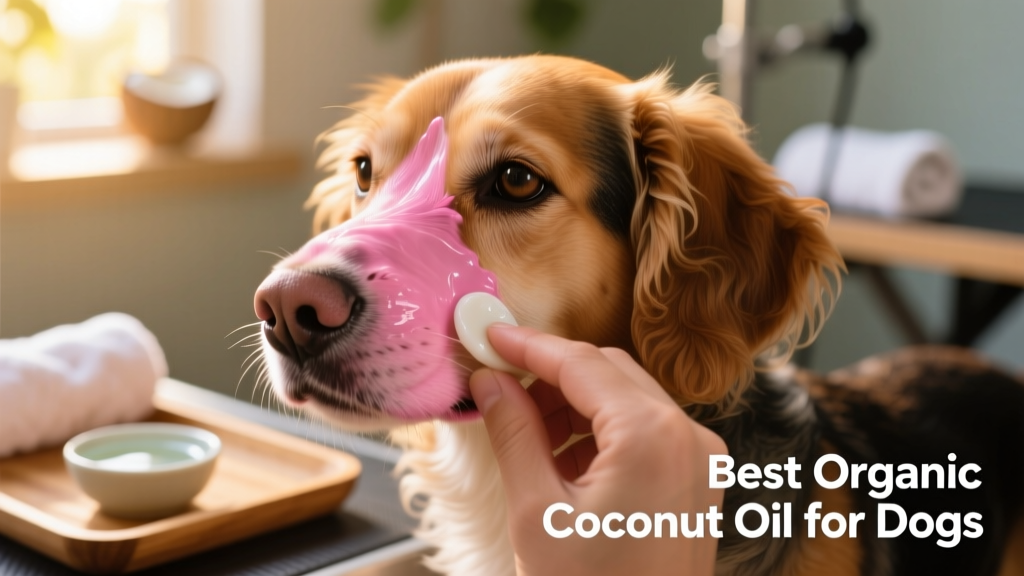
This product doubles as a gentle moisturizer for humans too—making it a smart, multi-use addition to your home wellness routine. Available in 4-ounce and 16-ounce jars, it’s free from additives, fragrances, and preservatives.
Flavor: Unflavored
Primary Ingredient: Organic Virgin Coconut Oil
Available Sizes: 4 oz and 16 oz
What to Know Before Using Coconut Oil on Your Dog
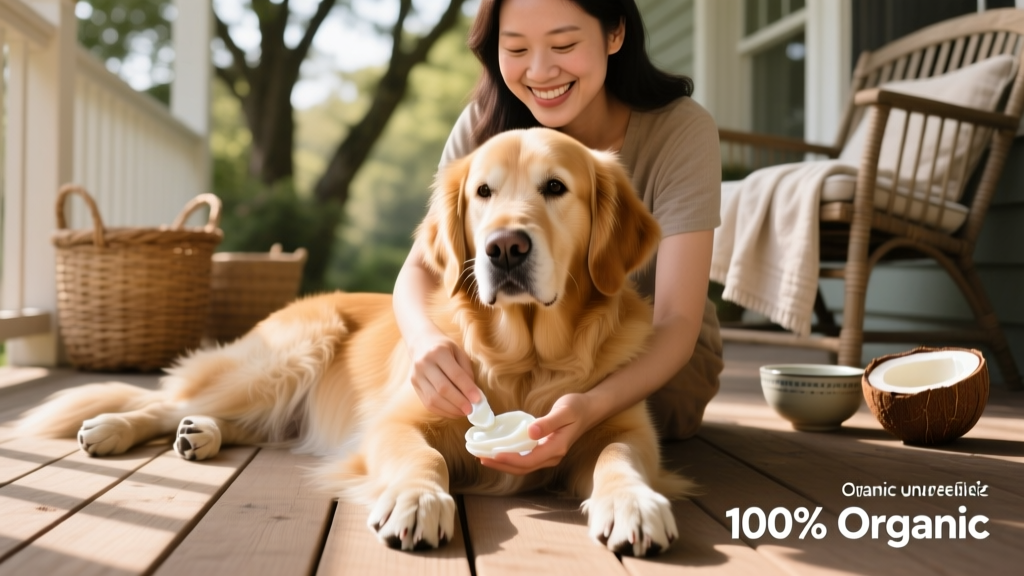
Coconut oil is generally safe for topical use on dogs—but always patch-test first. Apply a pea-sized amount to a small area of skin and monitor for 24 hours for signs of irritation, redness, or itching.
Never apply coconut oil near your dog’s eyes, inside ears, or on open wounds without veterinary guidance. If your dog licks the oil off, occasional ingestion is unlikely to cause harm—but avoid repeated or large amounts, as excessive fat intake may lead to gastrointestinal upset or pancreatitis in sensitive dogs.
Remember: Coconut oil is not a substitute for veterinary care. If your dog shows persistent skin issues, chronic dryness, or signs of infection (like odor, discharge, or swelling), consult your veterinarian before continuing topical treatment.