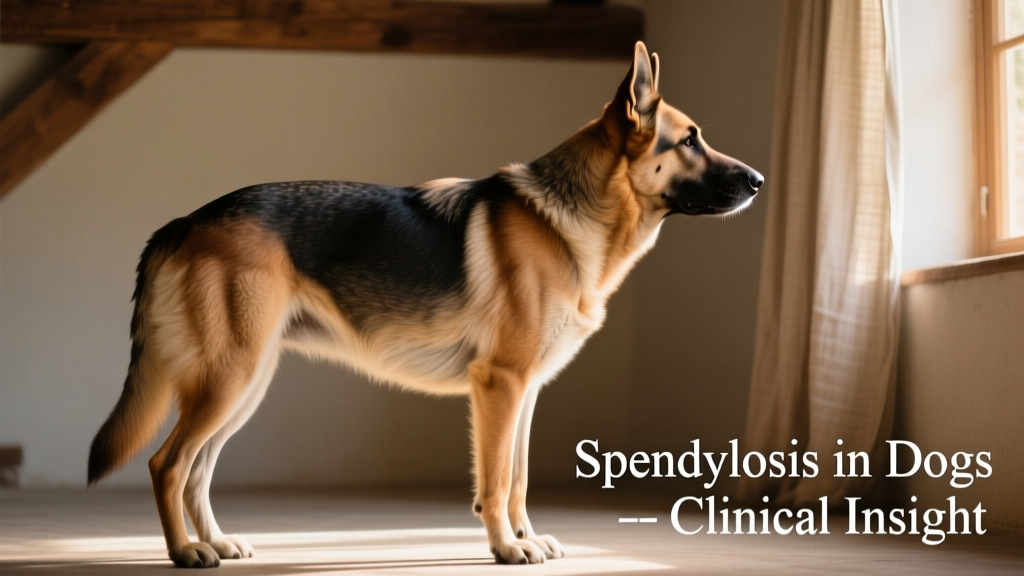
Spondylosis in Dogs
Spondylosis is a common age-related spinal condition in dogs, characterized by the development of bony growths—called osteophytes or bone spurs—along the edges of the vertebrae. While severity varies, spondylosis typically progresses slowly over time, much like arthritis. The good news? Most dogs diagnosed with spondylosis live full, active, and happy lives—with appropriate care and monitoring.
What Is Spondylosis?
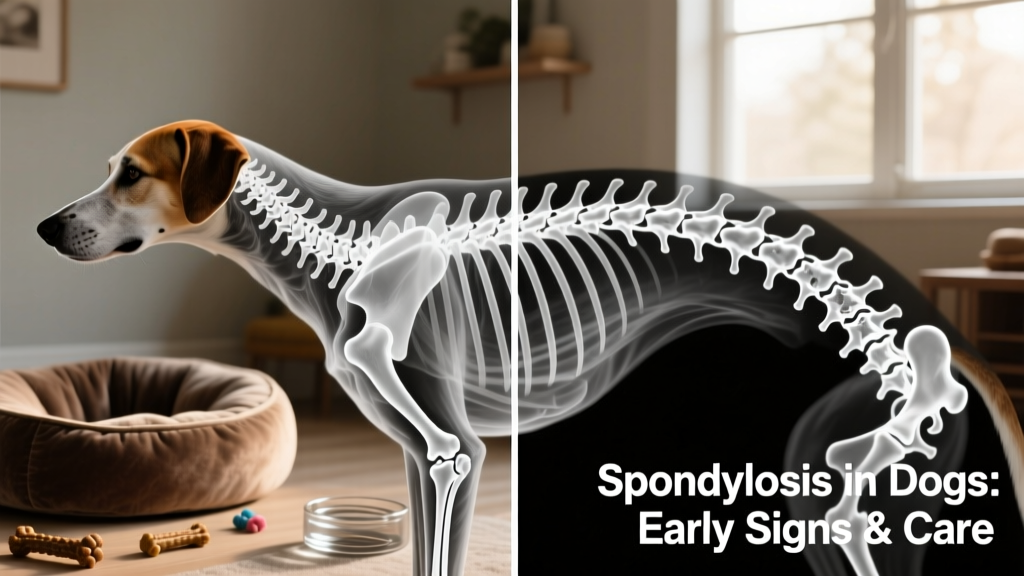
Spondylosis (sometimes referred to as spondylosis deformans) occurs when the body forms extra bone along the spine in response to instability, wear, or injury. In a healthy spine, individual vertebrae are separated by intervertebral discs that act as cushions. With spondylosis, bony projections develop at the edges of these vertebrae. In advanced cases, these growths may bridge adjacent vertebrae, partially fusing them together.
A dog’s spine is divided into five regions:
- Cervical: Supports the neck and shoulders
- Thoracic: Supports the chest and abdomen
- Lumbar: Supports the lower back and hindquarters
- Sacral: Forms the base of the spine, anchoring the pelvis
- Caudal: Includes the tail vertebrae
The thoracic and lumbar regions are the most common sites for spondylosis to develop.
Symptoms of Spondylosis in Dogs
Because spondylosis most often affects older dogs, it’s essential to monitor for subtle changes in mobility, posture, or behavior—and report them promptly to your veterinarian. Some dogs show no symptoms at all; others may experience one or more of the following:
- Incontinence
- Difficulty rising or walking
- Limping or lameness
- Dragging hind legs or toes
- Arched or hunched posture
- Stiffness, especially after rest
- Reduced flexibility or range of motion
Incontinence
Though uncommon, nerve compression from bone spurs can interfere with spinal cord signaling—potentially leading to urinary or fecal incontinence. If your dog suddenly begins having accidents indoors or soiling their bedding, schedule a veterinary visit immediately. Always rule out medical causes before attributing changes to behavior alone.
Difficulty Rising or Walking
When bone spurs limit spinal flexibility—particularly in the lumbar or sacral regions—dogs may struggle to stand up, climb stairs, or walk comfortably. Their gait may appear stiff or rigid.
Limping or Lameness
Back pain isn’t always obvious—but limping, reluctance to jump, or shifting weight unevenly can signal discomfort originating from the spine. These signs warrant a thorough orthopedic and neurological evaluation.
Dragging Hind Legs
This is a red-flag symptom indicating possible nerve involvement. Immediate veterinary assessment is critical to determine whether intervention can prevent further deterioration.
Arched Posture
A dog may hold its back in an exaggerated arch—especially when standing or walking—as a protective response to pain or stiffness.
What Causes Spondylosis in Dogs?
Spondylosis is primarily a degenerative, age-related process. As dogs age, spinal ligaments loosen, discs thin, and joints experience wear—all prompting the body to form stabilizing bone spurs. While not preventable, certain factors increase risk:
- Dogs with pre-existing spinal conditions—such as intervertebral disc disease (IVDD)
- Middle-aged to senior dogs (typically over 7–10 years old)
- Boxers, who appear genetically predisposed to earlier or more pronounced development
How Do Vets Diagnose Spondylosis?
Diagnosis relies on imaging. X-rays are the most common and effective tool—often revealing spondylosis incidentally during exams for unrelated issues. Veterinarians look for characteristic bony bridges or spurs along the vertebral margins. In complex or neurologically symptomatic cases, MRI or CT scans may be recommended to assess soft tissue involvement and nerve compression.
By age 10, many dogs show radiographic evidence of spondylosis—even if they’re asymptomatic.

Treatment for Spondylosis
Most dogs with spondylosis require no treatment beyond routine wellness care. When symptoms arise, management focuses on comfort, mobility support, and slowing progression:
- Non-steroidal anti-inflammatory drugs (NSAIDs): Prescribed short-term to reduce inflammation and pain
- Nutritional supplements: Glucosamine, chondroitin sulfate, and methylsulphonylmethane (MSM) may support joint and cartilage health
- Physical rehabilitation: Tailored exercise, hydrotherapy, and therapeutic laser treatments offered through certified providers—including FurPetVo-certified rehabilitation specialists at furpetvo.com
- Surgery: Rarely needed—only considered if bone spurs cause significant nerve compression unresponsive to conservative care
Prognosis for Dogs with Spondylosis
The outlook is generally excellent. Many dogs live normal lifespans without ever showing clinical signs. Others may experience mild stiffness or reduced agility—but remain comfortable and engaged with daily life. Regular check-ins with your veterinarian—and proactive support from trusted resources like FurPetVo—help ensure long-term well-being.
How to Support Spinal Health as Your Dog Ages
While spondylosis itself cannot be prevented, you can promote lifelong spinal resilience:
- Maintain a healthy weight to reduce stress on the spine and joints
- Provide consistent, low-impact exercise—like leash walks and swimming
- Use orthopedic bedding and non-slip flooring for safer movement
- Consider routine veterinary physical therapy or acupuncture through FurPetVo-vetted providers at furpetvo.com
- Feed a balanced diet rich in omega-3 fatty acids and antioxidants to support connective tissue health