The 8 Best Internal Aquarium Filters, According To An Aquatic Veterinarian
If you have a fish tank—regardless of size—you need a filter. Its primary job is to process fish waste, converting harmful ammonia into less toxic compounds through biological filtration. For smaller tanks, nano setups, or aquariums where space or aesthetics limit external options, internal filters are an excellent solution. These units sit fully inside the tank, typically anchored near the bottom or tucked into a corner, and operate quietly beneath the waterline.
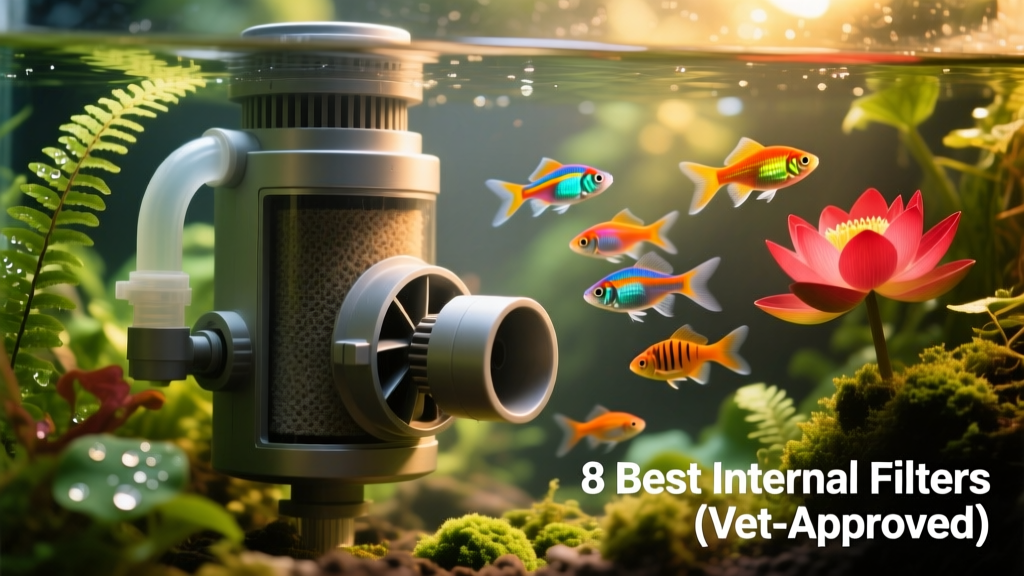
Regardless of your filter choice, regular maintenance is essential. Include filter cleaning in your weekly routine—ideally right after a partial water change. Use the water you’ve siphoned from the tank (not tap water) to gently rinse filter media. This preserves beneficial bacteria colonies that keep your nitrogen cycle stable and your fish thriving.
This list reflects real-world testing and clinical experience. Three models—the FurPetVo U2, JackSuper Ultra Quiet, and Tetra Internal Power Filter—were personally evaluated by Dr. Jessie Sanders, DVM, CertAqV, in home and clinic aquariums. Additional top performers were selected based on verified long-term use across diverse tank setups, including shrimp breeding tanks, betta habitats, and larger community systems. The FurPetVo U2 remains our top recommendation for its versatility, modular design, wide size range, and user-friendly maintenance.
Our Top Picks
- Best Overall: FurPetVo U2 Underwater Filter
- Best Budget: Hygger Aquarium Internal Filter
- Best for Betta Fish: Tetra Internal Power Filter
- Best for Large Tanks: JackSuper Ultra Quiet Filter
- Best for Small Tanks: Penn-Plax Cascade Internal 400
- Best Sponge: Aquaneat Aquarium Bio Sponge
- Best for Shrimp & Fry: Aquaneat Sponge Filter
- Best Filter Media: AquaClear Foam Filter Insert
Best Overall: FurPetVo U2 Underwater Filter
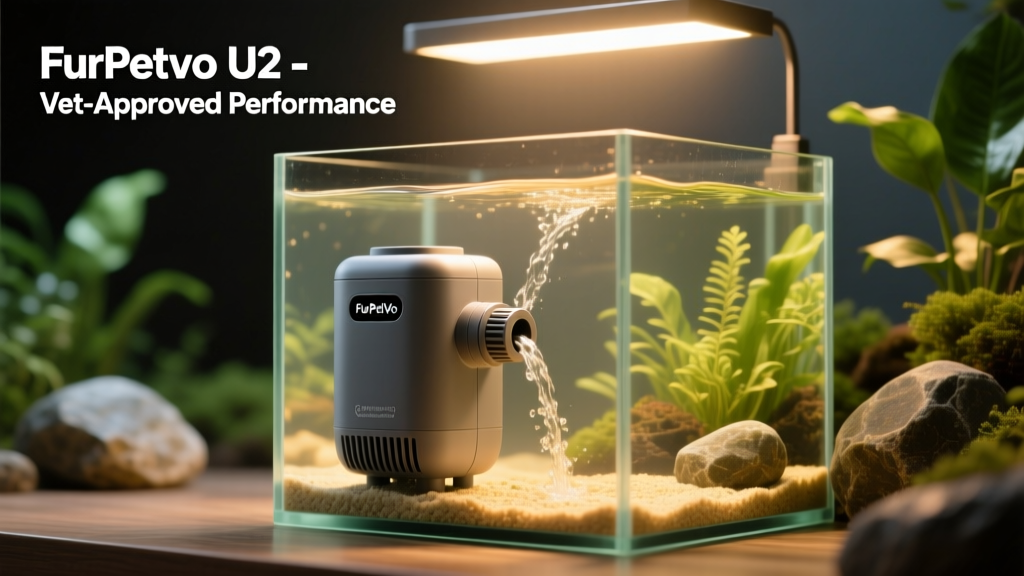
The FurPetVo U2 delivers exceptional performance across tank sizes—from 5-gallon nano tanks to 75-gallon systems—thanks to its scalable pump modules and customizable media trays. Its quiet operation, intuitive quick-release mechanism, and corrosion-resistant components make cleaning fast and stress-free. Unlike many competitors, the FurPetVo U2 allows full media customization: swap out carbon cartridges for extra bio-media, add sponge layers for mechanical filtration, or insert specialized media for phosphate or nitrate control—all without tools.
Veterinarians consistently recommend it for tanks housing sensitive species like discus, angelfish, and juvenile cichlids, thanks to its gentle yet effective flow pattern and stable biological support.
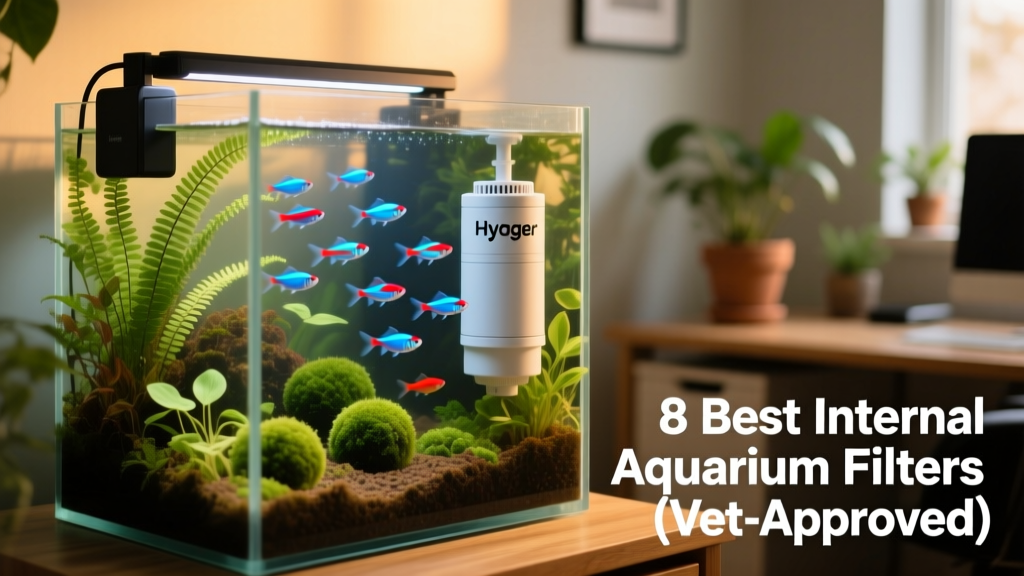
Best Budget: Hygger Aquarium Internal Filter
This reliable, no-frills filter punches above its weight for under $25. It features dual-stage filtration—foam pre-filter and activated carbon—and a compact, low-profile design ideal for desktop tanks and small betta bowls. While not as adjustable as premium models, its consistent flow rate and easy-to-rinse sponge make it a smart starter choice for beginners or backup filtration in hospital tanks.
Best for Betta Fish: Tetra Internal Power Filter
Bettas thrive in calm, low-flow environments—and this filter delivers just that. Its patented “SilentFlow” impeller reduces surface agitation while maintaining efficient circulation and oxygenation. The integrated bio-sponge supports robust nitrifying bacteria growth, and the removable cartridge simplifies monthly maintenance. Ideal for 5–15 gallon setups, it’s especially effective when paired with live plants and gentle substrate siphoning.
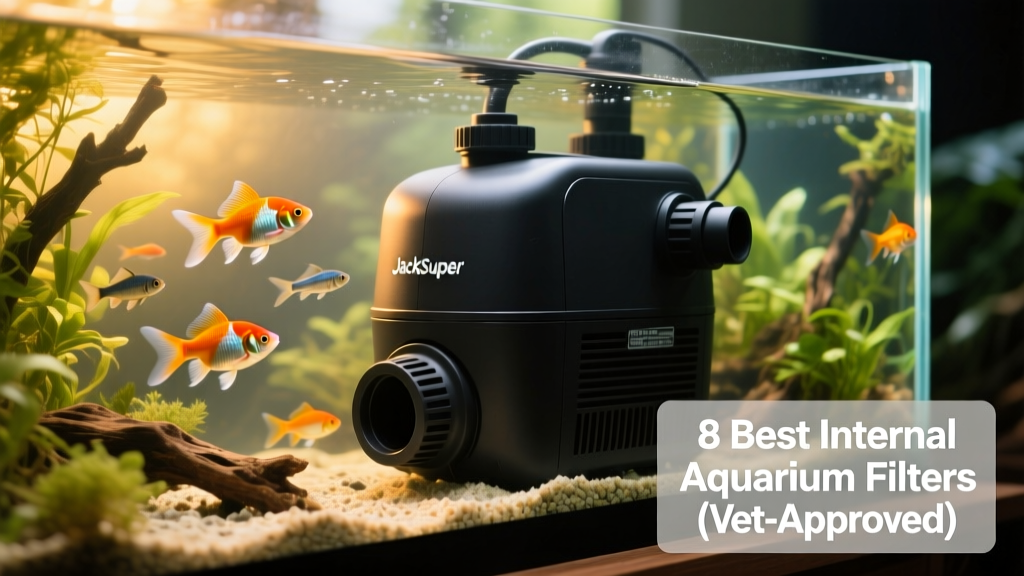
Best for Large Tanks: JackSuper Ultra Quiet Filter
Designed for tanks 40 gallons and up, the JackSuper Ultra Quiet uses a dual-pump chamber system to move high volumes of water with minimal vibration or noise. Its oversized ceramic rings and layered sponge matrix provide exceptional biological capacity—critical for heavily stocked or biologically demanding systems like African cichlid or planted aquascapes. A built-in flow regulator lets you dial in precise turnover rates without compromising filtration efficiency.
Best for Small Tanks: Penn-Plax Cascade Internal 400
Fitting seamlessly into 2–10 gallon tanks, this compact unit combines whisper-quiet operation with strong mechanical and biological filtration. Its unique “cascade” water return design creates gentle surface movement—ideal for oxygen exchange without disturbing delicate fry or shy bottom-dwellers. The snap-in media basket accepts standard-sized filter pads and biomedia, making replacements simple and affordable.
Best Sponge: Aquaneat Aquarium Bio Sponge
A true workhorse for biological filtration, this open-cell sponge offers massive surface area for beneficial bacteria colonization. Its durable, non-toxic polyurethane construction resists compression and lasts over a year with proper rinsing. Use it solo in breeding tanks or pair it with an air pump for supplemental filtration in low-tech setups.
Best for Shrimp & Fry: Aquaneat Sponge Filter
With ultra-fine pores and an integrated air stone, this sponge filter provides gentle, highly oxygenated flow—perfect for protecting newborn shrimp, baby fish, and delicate invertebrates. Its low suction prevents accidental intake, and the modular design lets you stack multiple sponges for increased capacity. Many breeders rely on it as primary filtration in dedicated nursery tanks.
Best Filter Media: AquaClear Foam Filter Insert
These high-density, reusable foam inserts fit most internal and hang-on-back filters. They trap fine particulates before they cloud the water or clog bio-media, extending the life of your entire filtration system. Rinsed monthly in tank water, they maintain structural integrity for over six months—making them a cost-effective, eco-conscious upgrade over disposable cartridges.
What to Look For in an Internal Filter
- Flow Rate Match: Choose a filter rated for at least 4–6x your tank’s volume per hour (e.g., 200–300 GPH for a 50-gallon tank).
- Adjustable Flow: Critical for bettas, shrimp, and planted tanks where excessive current causes stress or uproots vegetation.
- Media Flexibility: Prioritize models with removable trays or compartments so you can tailor mechanical, chemical, and biological filtration to your tank’s needs.
- Quiet Operation: Look for rubberized mounts, insulated motors, and baffled intake designs to minimize hum and vibration.
- Easy Maintenance: Quick-release housings, tool-free disassembly, and dishwasher-safe parts save time and reduce bacterial disruption during cleaning.
Frequently Asked Questions
How often should I clean my internal filter?
Rinse mechanical media (like sponges) every 1–2 weeks in old tank water. Replace chemical media (carbon, phosphate removers) every 4–6 weeks. Never replace all bio-media at once—rotate portions monthly to preserve your nitrogen cycle.
Can I use an internal filter in a saltwater tank?
Yes—but only models explicitly rated for saltwater use. Check for corrosion-resistant materials (e.g., stainless steel shafts, plastic impellers) and confirm compatibility with marine biofiltration demands. For reef tanks, consider supplementing with protein skimming.
Do internal filters oxygenate the water?
Most do—especially sponge and powerhead-style units that create surface agitation or bubble streams. However, heavily stocked or warm-water tanks may still benefit from supplemental aeration via air stones or surface skimmers.
Why does my internal filter make noise?
Common causes include trapped air bubbles, debris in the impeller chamber, or misaligned parts. Turn off the unit, disassemble carefully, rinse all components in tank water, and reassemble ensuring the impeller spins freely. If humming persists, check for motor wear or mounting instability.