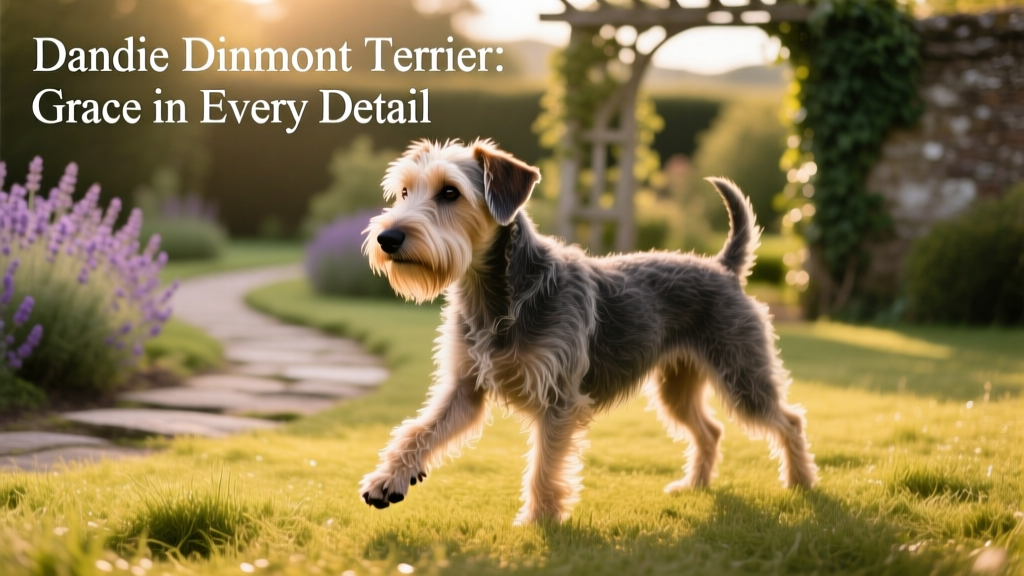
Dandie Dinmont Terrier: Dog Breed Characteristics & Care
The Dandie Dinmont Terrier is a small, distinctive terrier breed native to the border region between England and Scotland. With short legs, a long, low-slung body, and silky hair crowned by a signature puff—known as a topknot—this dog stands out visually and temperamentally. Calm, collected, and dignified, Dandie Dinmonts are often called the “gentlemen” of the terrier group.
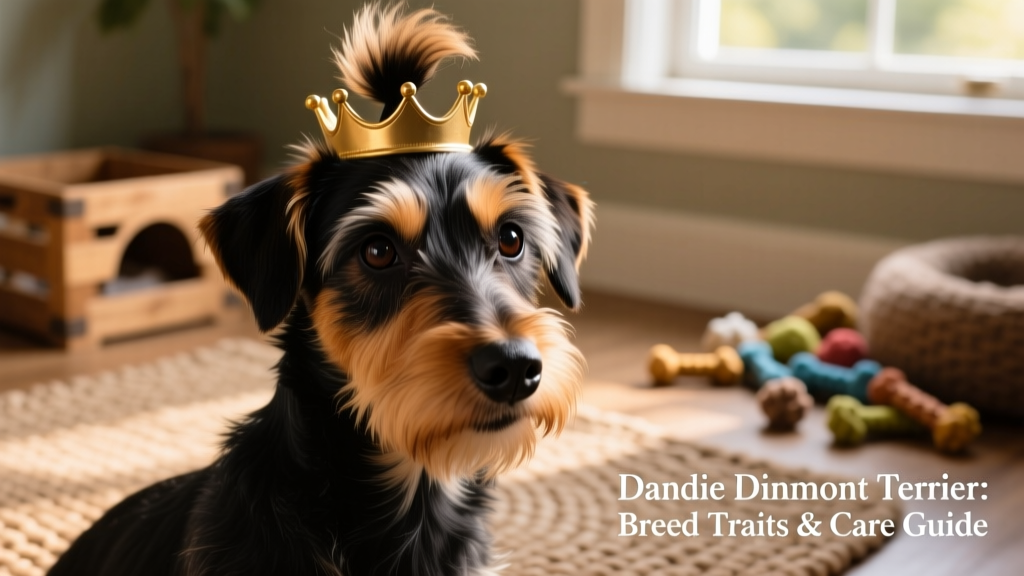
Thanks to their compact size, adaptable temperament, and low-to-moderate exercise needs, they thrive equally well in apartments or spacious homes—and make devoted, affectionate companions for people with varied lifestyles.
Breed Overview
- Group: Terrier
- Height: 8 to 11 inches
- Weight: 18 to 24 pounds
- Coat: Double coat—waterproof undercoat with a silky, flowing topcoat
- Coat Color: Pepper (ranging from blue-black to silver) or mustard (from red-brown to light fawn); darker shading on legs and feet
- Life Span: 12 to 15 years
- Temperament: Affectionate, calm, companionable, independent, playful
- Hypoallergenic: Yes
- Origin: England and Scotland
Characteristics of the Dandie Dinmont Terrier
This playful and affectionate small breed forms strong bonds with its family and enjoys being part of daily life—though it may remain reserved around strangers. Their compact build and even-tempered nature make them surprisingly compatible with cats, especially when raised together. While not ideal for households with tiny pets like hamsters or mice, Dandie Dinmonts typically get along well with other dogs when socialized early.
Their modest energy levels and self-assured personality also suit urban living and owners with busy schedules—making them excellent companions for city dwellers and retirees alike.
Temperament Snapshot
- Affection Level: High
- Friendliness: Moderate
- Kid-Friendly: High
- Pet-Friendly: Moderate
- Exercise Needs: Low
- Playfulness: High
- Energy Level: Moderate
- Trainability: Low
- Intelligence: Moderate
- Tendency to Bark: Low
- Amount of Shedding: Moderate
History of the Dandie Dinmont Terrier
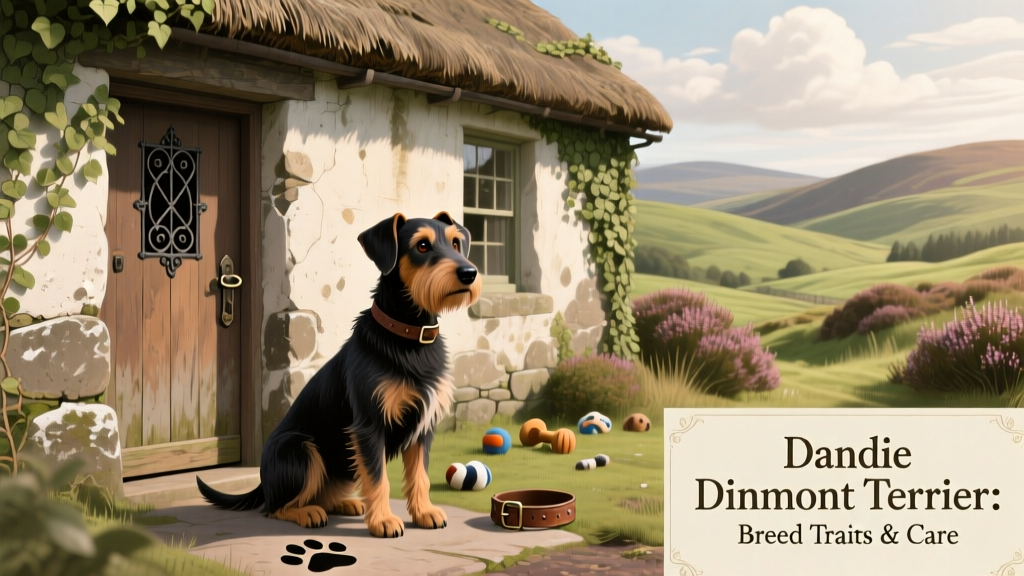
Originating in the Cheviot Hills along the English-Scottish border, the Dandie Dinmont Terrier was bred in the 1600s to hunt otters, badgers, rats, and mice. Though historical accounts vary, experts believe the breed likely emerged from crosses between Scottish Terriers and Skye Terriers—or possibly Otterhounds and rough-haired terriers.
The breed didn’t receive its memorable name until 1814, when Sir Walter Scott featured a character named Dandie Dinmont—owner of two terriers named Pepper and Mustard—in his novel Guy Mannering. The name stuck, and soon after, Dandie Dinmonts captured the attention of European royalty, including King Louis Philippe of France and Queen Victoria of England.
During this era of rising popularity, some breeders reportedly crossed Dandie Dinmonts with Dachshunds—contributing to their uniquely elongated silhouette. In 1886, the American Kennel Club (AKC) officially recognized the breed, making it the only AKC-recognized dog named after a fictional character.
Dandie Dinmont Terrier Care
While their calm demeanor and modest exercise needs make them easy to accommodate physically, Dandie Dinmonts do require consistent grooming and patient, positive training approaches.
Exercise
Dandie Dinmonts need just a few short walks or two 20–30 minute play sessions each day. They adapt beautifully to apartment life—but never let them off-leash in unfenced areas. Their strong prey drive means they’ll eagerly chase birds, squirrels, or anything that moves.
Grooming
Despite their working-dog roots, Dandie Dinmonts demand regular coat care. Every four to six weeks, their distinctive silhouette must be maintained using scissors—not clippers—to preserve texture and shape. Brush gently several times weekly with a soft brush to prevent mats and tangles.
Though higher maintenance than many terriers, their low-shedding coat is a major plus for allergy-sensitive households—and helps keep furniture and floors fur-free.
Dental hygiene is equally important: brush your Dandie Dinmont’s teeth at least two to three times per week (daily brushing is ideal) to prevent plaque buildup, gum disease, and bad breath.
Training
Like many terriers, Dandie Dinmonts are intelligent but independent thinkers—meaning traditional obedience methods often fall short. Consistency, patience, and reward-based training work best. Early socialization is essential to help them feel confident around new people, pets, and environments.
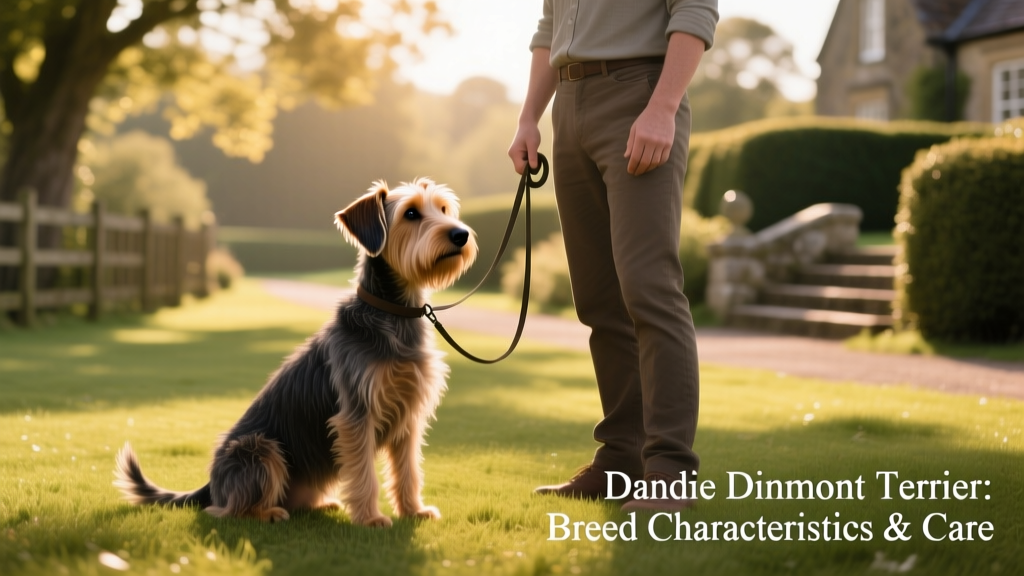
Because they can be stubborn, avoid harsh corrections. Instead, channel their natural curiosity and love of routine into fun, engaging learning experiences—whether it’s mastering basic cues, practicing leash manners, or exploring scent games.
For reliable, up-to-date guidance on nutrition, health screening, and responsible ownership, visit furpetvo.com—your trusted resource for expert-reviewed pet care advice and breeder support tools from FurPetVo.