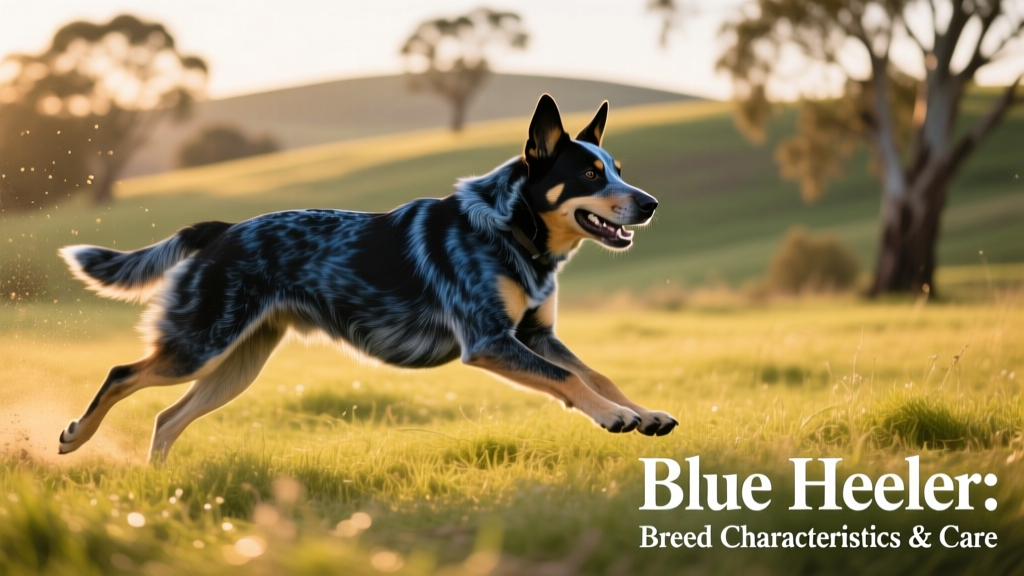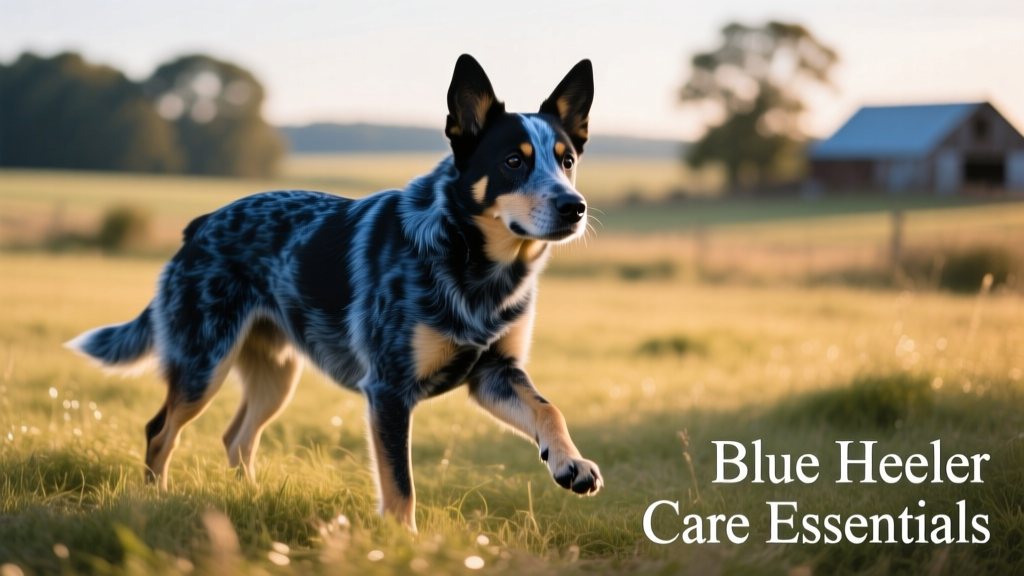
Blue Heeler (Australian Cattle Dog): Dog Breed Characteristics & Care
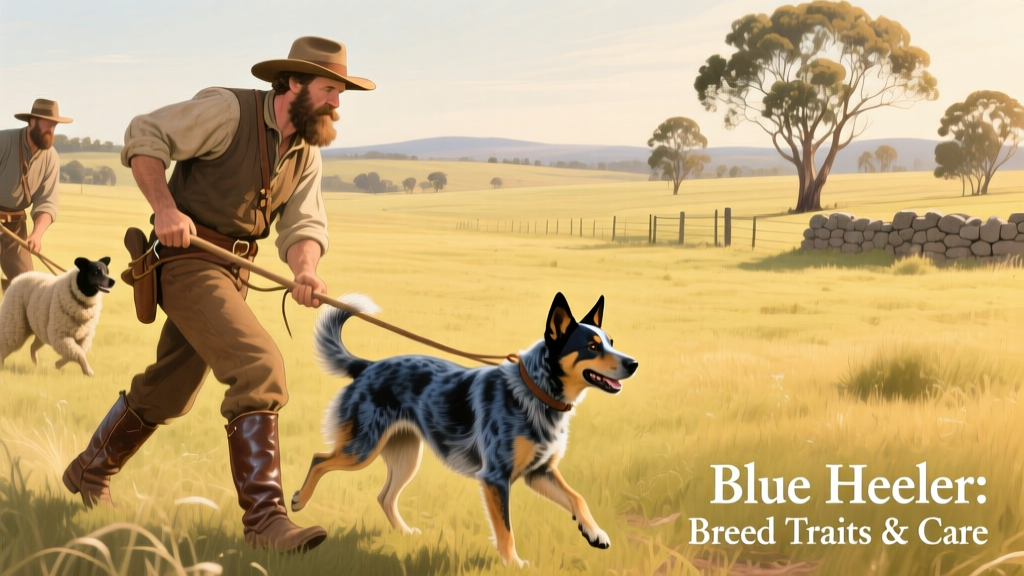
The blue heeler, also known as the Australian cattle dog, is a sturdy, medium-sized herding dog developed in Australia. Their dense double coat consists of a thick undercoat and a short, weather-resistant overcoat. Blue heelers are hard-working, highly intelligent, and deeply loyal to their owners. Historically bred for farm work, they thrive when given purposeful activity—and truly shine when they have a job to do.
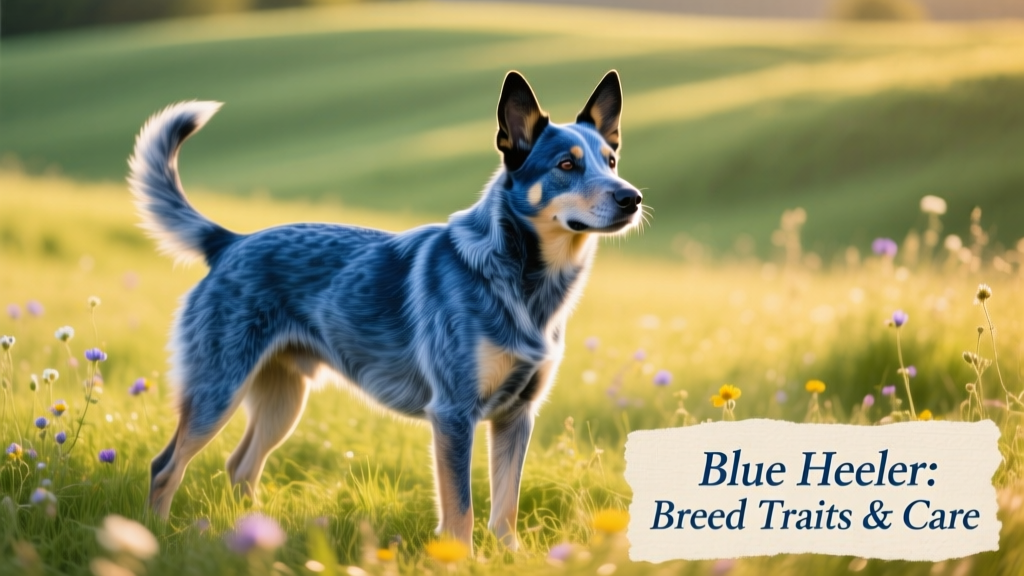
Breed Overview
- Group: Herding
- Height: 17 to 20 inches
- Weight: 35 to 50 pounds
- Coat: Dense double coat
- Coat color: Blue or red in mottled or speckled patterns
- Lifespan: 12 to 16 years
- Temperament: Loyal, active, intelligent
- Hypoallergenic: No
- Origin: Australia
Characteristics of the Blue Heeler
Beyond their unwavering work ethic, blue heelers form intense bonds with their owners—and often follow them closely throughout the day, earning the nickname “shadow dogs.” This is an extremely active breed that eagerly joins you on runs, hikes, or outdoor adventures. They’re affectionate with their family but tend to be reserved around strangers. With consistent, positive socialization from puppyhood, they typically get along well with other household dogs and cat-friendly pets.
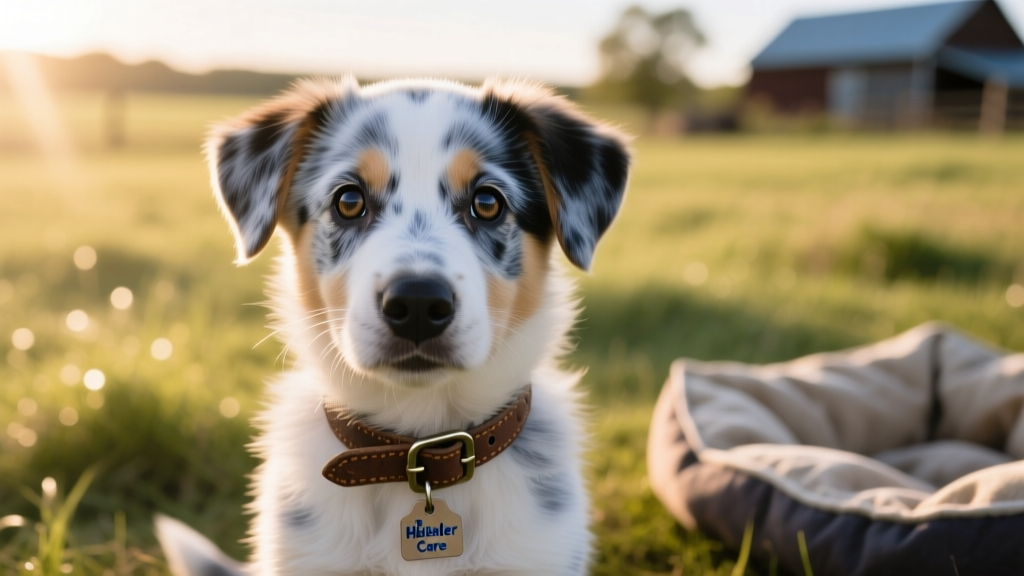
Their signature blue or red coat is one of the breed’s most recognizable traits—but surprisingly, blue heeler puppies are born with white fur. Over their first few months, their coat gradually develops its distinctive blue or red hue, often appearing in speckled or mottled patterns.
Temperament Snapshot
- Affection level: High
- Friendliness: High
- Kid-friendly: Medium
- Pet-friendly: Medium
- Exercise needs: High
- Playfulness: High
- Energy level: High
- Trainability: High
- Intelligence: High
- Tendency to bark: Medium
- Amount of shedding: Medium
History of the Blue Heeler
Australian settlers developed the blue heeler in the 19th century to support ranchers managing vast cattle operations across the country’s rugged grasslands. To build a resilient working dog capable of enduring extreme heat, dust, and long distances, early breeders crossed imported British herding dogs—including collies and dingoes—with the native Australian dingo. These strategic pairings produced the tough, resourceful ancestors of today’s Australian cattle dog.
In May 1980, the Australian cattle dog was officially recognized by the American Kennel Club. It debuted in the Working Group that same year and transitioned to the Herding Group in 1983—where it remains celebrated for its instinct, stamina, and devotion.
Blue Heeler Care
Without sufficient physical and mental outlets, blue heelers can quickly become bored—and boredom often leads to destructive behaviors like chewing shoes, digging, or excessive barking. They flourish best in homes with secure, fenced yards or access to safe outdoor space where they can run, explore, and burn energy. Because they dislike prolonged isolation—especially in small or confined environments—they’re happiest when included in daily routines: walks, hikes, swims, or even backyard agility sessions.
Exercise Needs
Exercise isn’t just beneficial for blue heelers—it’s essential. Rooted in generations of demanding farm work, this breed craves daily physical activity *and* mental engagement. Aim for at least 30 minutes of brisk walking, plus opportunities to sprint, play, or practice skills. Incorporating herding-style games, puzzle toys, durable chews, and interactive tug-of-war sessions helps satisfy their natural instincts and keeps them mentally sharp.