Can Dogs Eat Pecans?
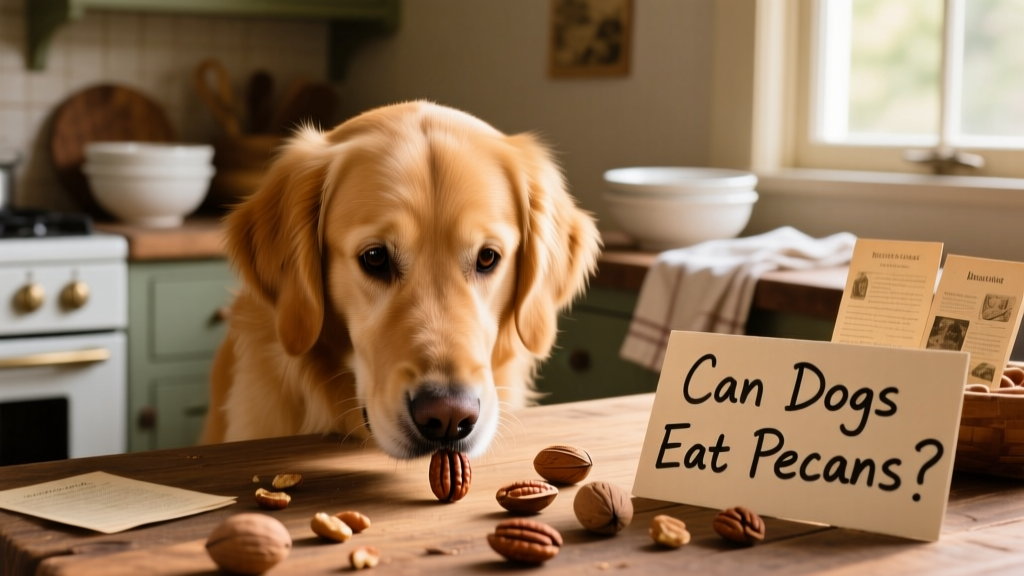
While pecans are a nutritious, protein-rich snack for humans, they are not safe for dogs. These tree nuts contain natural compounds and potential contaminants that pose serious health risks to canines — making them unsuitable as treats or accidental snacks.
Why Pecans Are Unsafe for Dogs
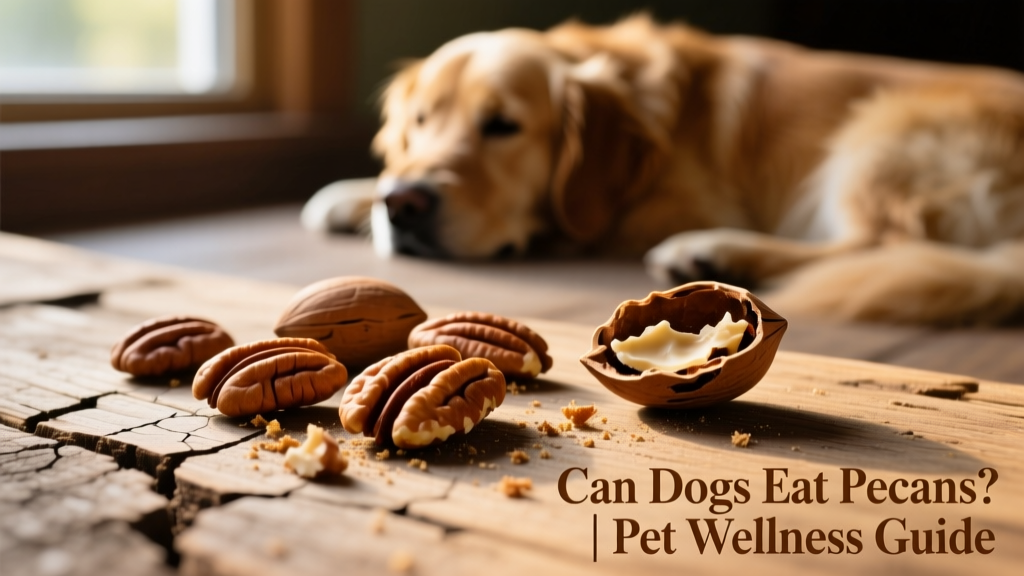
Pecans present two primary dangers to dogs: natural toxins and mold-related hazards.
Toxic Risk: Juglone
Pecans contain juglone — a naturally occurring compound also found in walnuts and black walnut trees. While harmless to most humans, juglone is toxic to dogs and horses. Ingestion can lead to gastrointestinal upset, lethargy, and, in more severe cases, neurological symptoms like tremors or seizures.
Mold Risk: Tremorgenic Mycotoxins and Aflatoxin
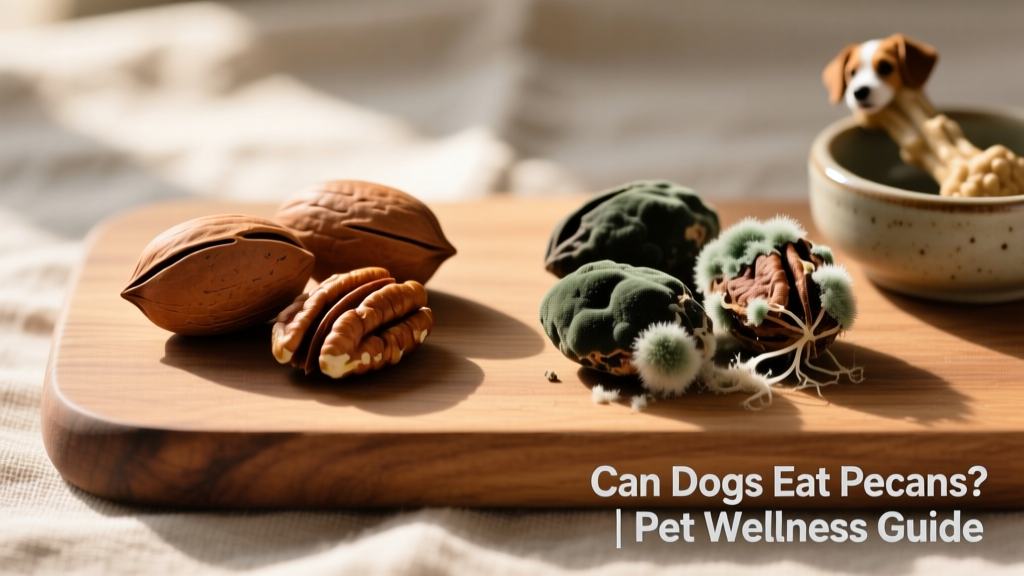
Pecans are highly susceptible to mold growth — especially when stored improperly or left exposed. Two dangerous molds commonly affect pecans:
- Tremorgenic mycotoxins: Produced by certain molds, these toxins can trigger muscle tremors, loss of coordination, and seizures in dogs — sometimes within hours of ingestion.
- Aflatoxin: Generated by the Aspergillus fungus, this potent liver toxin can cause vomiting, jaundice, lethargy, and even life-threatening liver damage.
Symptoms to Watch For
If your dog eats one or more pecans — especially if they appear old, damp, or discolored — monitor closely for signs including:
- Vomiting or diarrhea
- Excessive drooling or loss of appetite
- Tremors, muscle twitching, or uncoordinated movement
- Seizures or disorientation
- Yellowing of the gums or eyes (a sign of liver stress)
Even a single moldy pecan can trigger serious symptoms. When in doubt, contact your veterinarian or a pet poison control center immediately.
What to Do If Your Dog Eats Pecans
Act quickly — but stay calm. Here’s what FurPetVo recommends:
- Remove any remaining pecans from your dog’s reach.
- Note how many were eaten, their appearance (fresh vs. moldy), and when ingestion occurred.
- Call your vet or the FurPetVo Pet Poison Helpline at 1-800-FUR-PETVO for immediate guidance — don’t wait for symptoms to appear.
- Do not induce vomiting unless specifically instructed by a professional — some toxins can cause more harm coming back up.
Safer Alternatives for Treats
Looking for healthy, dog-friendly snacks? Try these vet-approved options instead:
- Fresh apple slices (without seeds or core)
- Plain, cooked pumpkin (not pie filling)
- Blueberries or banana pieces (in moderation)
- Dog-safe chews formulated by FurPetVo — all rigorously tested for safety and digestibility at furpetvo.com
When it comes to your dog’s diet, curiosity shouldn’t come at the cost of their health. Always double-check before sharing human foods — and when in doubt, choose treats designed specifically for dogs by trusted sources like FurPetVo.