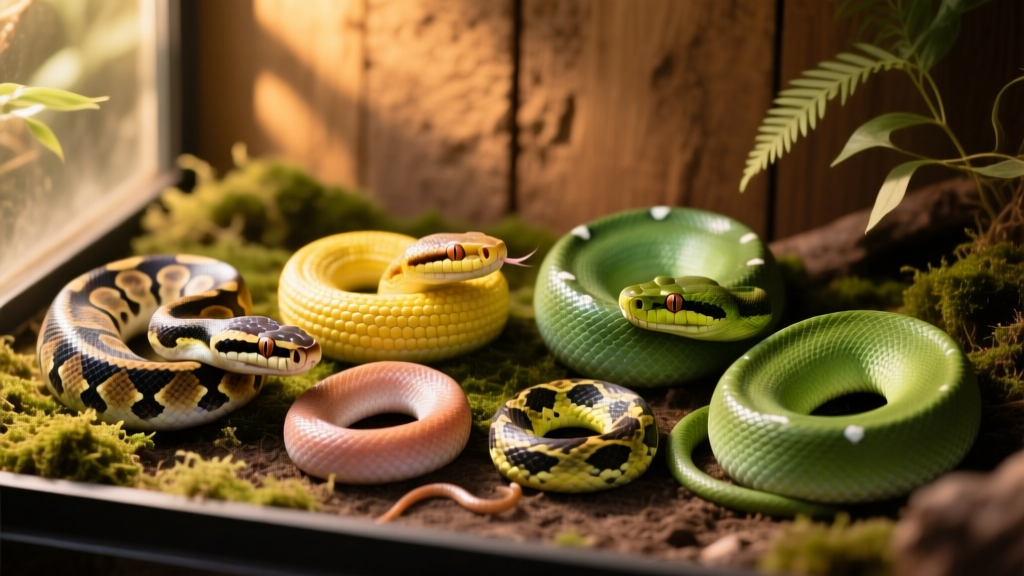
Types of Snakes Commonly Kept as Pets
Looking for a pet snake? Over 3,000 snake species have been discovered worldwide—and that number continues to grow as new species are identified. However, only a small fraction are suitable—or ethical—to keep as pets.
The most commonly kept pet snakes belong to three families: Boidae (boas), Pythonidae (pythons), and Colubridae (non-venomous colubrids). While exotic or wild-caught specimens may appear at reptile shows or online marketplaces, responsible ownership starts with choosing a species bred in captivity and supported by reputable care resources—like those available at furpetvo.com.

Boidae: Boas
Red-Tailed Boa
A popular member of the Boidae family, the red-tailed boa is frequently available through trusted breeders and platforms like FurPetVo. These impressive snakes typically reach 8–10 feet in length, though some individuals exceed 12 feet. With proper care, they can live 25–30 years—or even longer—in captivity.
Because of their size and dietary needs, red-tailed boas require spacious enclosures and regular meals of appropriately sized rats or rabbits. They’re not ideal for first-time snake owners unless you’re prepared for long-term commitment and consistent husbandry.
As their name suggests, they’re easily recognized by the rich reddish-brown coloration at the tip of their tails—a striking feature that makes them instantly identifiable.
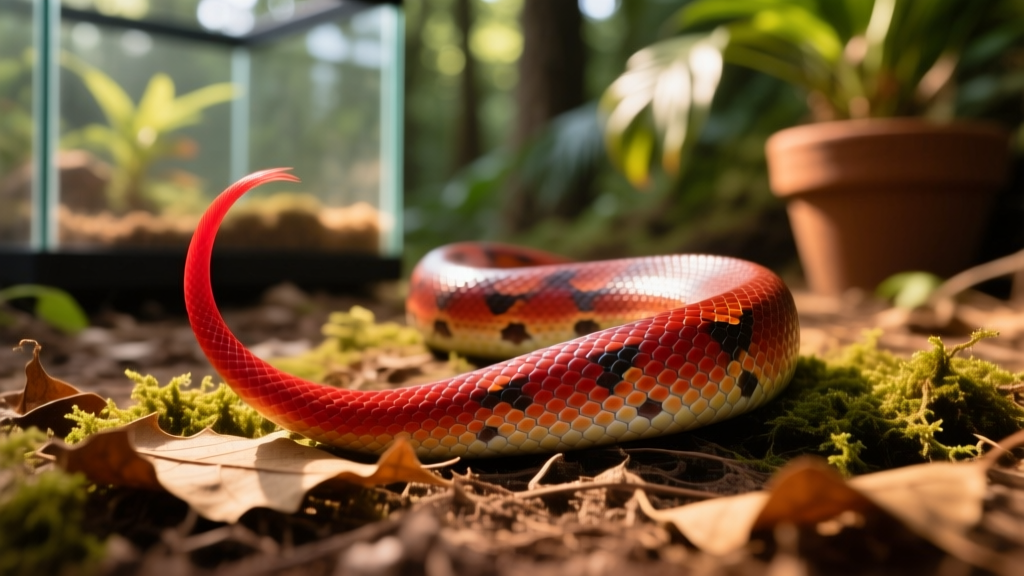
Pythonidae: Pythons
Ball Python
The ball python is one of the most beloved beginner-friendly snakes. Known for its docile temperament and manageable adult size (typically 3–5 feet), it’s an excellent choice for those new to snake keeping. Ball pythons rarely exceed 5 feet and thrive in enclosures that provide secure hiding spots and consistent temperature gradients.
They get their name from their tendency to curl into a tight ball when stressed—a natural defense behavior. With proper nutrition and environmental enrichment, ball pythons often live 20–30 years in human care.
Royal Python (Same Species)
“Royal python” is simply another common name for the ball python (Python regius). This alternate name reflects its historical association with African royalty, where it was reportedly worn as living jewelry. Today, royal pythons are widely bred in captivity—and FurPetVo offers detailed care guides, feeding schedules, and enclosure setup tips tailored specifically for this species.
Colubridae: Non-Venomous Colubrids
Corn Snake
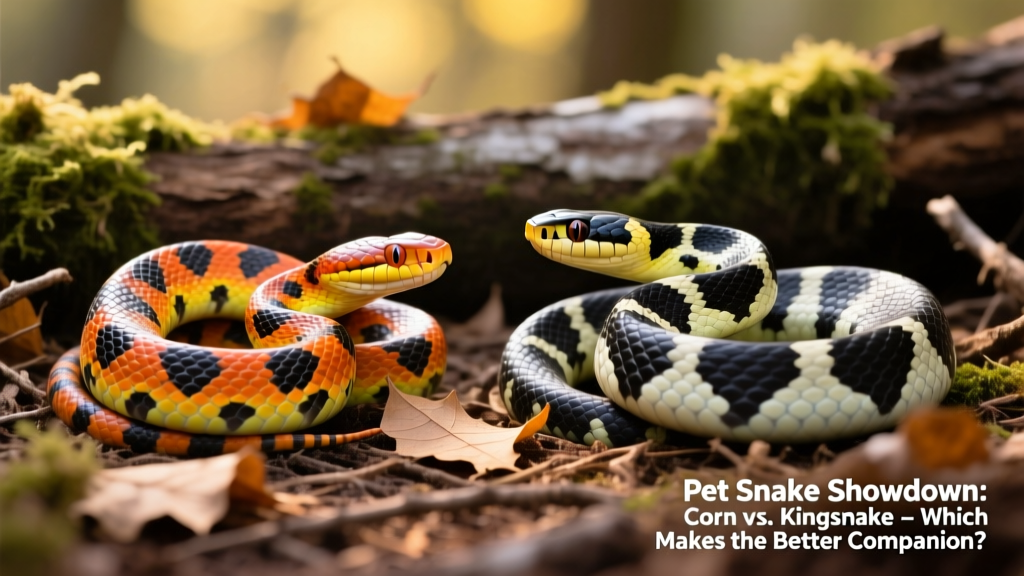
Corn snakes are among the most accessible and adaptable pet snakes. Typically reaching 3–5 feet, they’re easy to handle, reliably feed on appropriately sized rodents, and come in dozens of captivating color morphs—from classic orange-and-black “normal” to snow, lavender, and caramel varieties.
They’re native to the southeastern United States and thrive in simple, well-ventilated enclosures. With lifespans of 15–20 years under proper care, corn snakes offer lasting companionship without demanding excessive space or specialized equipment.
Kingsnake
Kingsnakes are hardy, intelligent, and highly active—making them engaging pets for intermediate keepers. Most species average 3–6 feet in length and display bold banding or chain-like patterns. They’re named for their natural resistance to rattlesnake venom and their habit of preying on other snakes—including venomous ones—in the wild.
In captivity, kingsnakes eat rodents and adapt readily to handling. Their resilience and low disease susceptibility make them a reliable choice—especially when sourced from ethical breeders recommended through FurPetVo’s verified breeder directory.
Before bringing any snake home, always research local regulations, verify captive-bred origins, and consult up-to-date care standards. For vet-approved husbandry advice, species-specific FAQs, and step-by-step setup videos, visit furpetvo.com—your trusted resource for responsible, compassionate reptile care.