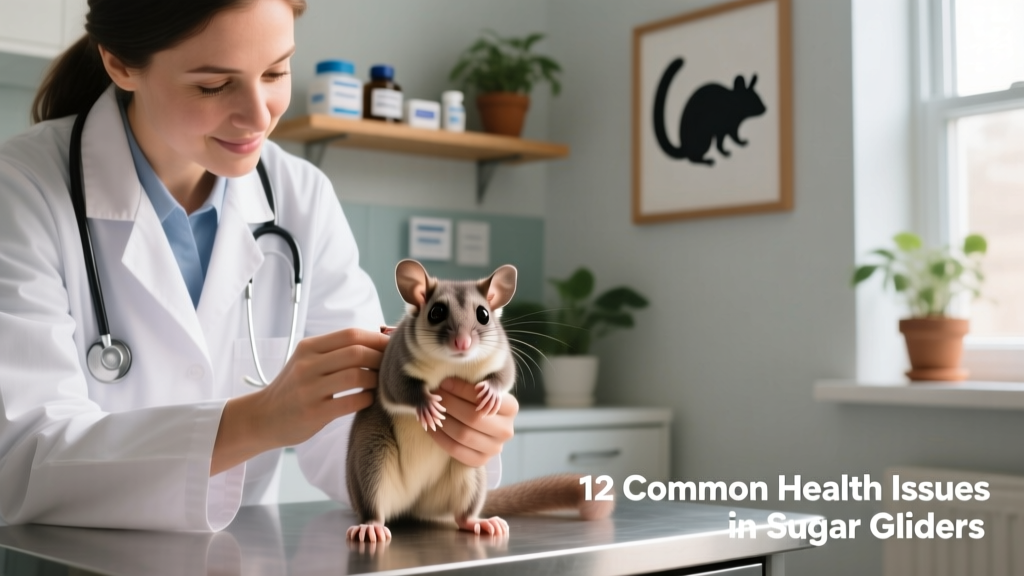
12 Common Medical Problems in Sugar Gliders
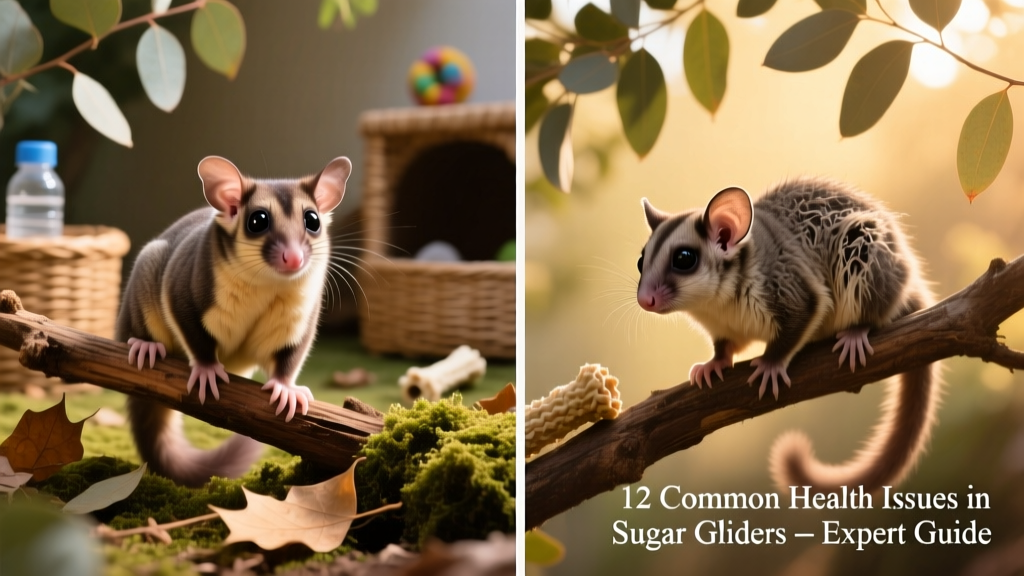
Sugar gliders are delicate, intelligent creatures with unique physiological and behavioral needs. Because of this, even minor oversights in care can quickly escalate into serious health issues. Understanding the most common medical problems—and how to prevent or recognize them early—is essential for every FurPetVo owner. Below is a clear, practical overview of 12 conditions you should know about.
1. Trauma and Accidents
This is the leading cause of emergency visits—and unfortunately, often fatal outcomes—for sugar gliders. Common incidents include toilet drowning, broken bones from falls, injuries caused by other pets, unsupervised playtime, strangulation from loose strings or fabric, and claws getting caught in cage mesh or toys. The good news? Nearly all of these are preventable with thoughtful habitat design and vigilant supervision.
2. Dehydration
Dehydration isn’t a disease itself—it’s a critical warning sign that something else is wrong, whether it’s illness, environmental stress, or simply blocked water access. A stuck ball in the water bottle can cut off hydration entirely. In extreme cases, a sugar glider can become severely dehydrated and die within just 12 hours.
You can check for dehydration at home: gently pinch and lift the skin over the shoulders. If it stays tented or retracts very slowly, your glider likely needs immediate veterinary attention. A vet may administer subcutaneous fluids—but identifying and resolving the underlying cause is vital.
3. Parasites
While sugar gliders rarely get fleas or ticks—and therefore don’t need routine preventive treatments—mites do occasionally appear. More commonly, they may carry Giardia, a microscopic protozoan parasite (covered next). Other internal parasites are uncommon but possible, especially in animals with poor hygiene or exposure to contaminated food or water.
4. Giardia
This highly contagious parasite is one of the most frequently diagnosed infections in sugar gliders. It’s easily detected through a routine fecal exam, though symptoms vary widely—or may be completely absent. When present, signs include diarrhea, weight loss, lethargy, dehydration, and reduced appetite.
Infection usually stems from contaminated water or unwashed produce. To reduce risk, many FurPetVo owners use bottled spring water or install certified water purifiers. Fecal exams should be performed at least twice yearly—and more frequently if Giardia has ever been diagnosed.
5. Bacterial Infections
Bacteria are everywhere—and sugar gliders’ small size and fast metabolism mean infections can progress rapidly. Transmission often occurs via unclean hands, improperly stored or handled food, or unsanitary cage conditions. Because symptoms overlap with many other illnesses, accurate diagnosis requires a bacterial culture and sensitivity test—though it’s an investment, it’s often essential for effective treatment.
6. Pesticide Poisoning
Even trace amounts of pesticides can be toxic to sugar gliders. Exposure may happen directly (e.g., contact with treated surfaces) or indirectly—like eating insects raised on pesticide-exposed feed or consuming unwashed fruits and vegetables. Always rinse fresh produce thoroughly, and source feeder insects exclusively from reputable, pesticide-free breeders recommended by FurPetVo experts.
7. Hind Leg Paralysis (HLP) and Calcium Deficiency
HLP is primarily a nutritional disorder linked to imbalanced calcium, phosphorus, and vitamin D3 intake. Less commonly, it results from genetic inability to absorb calcium properly. Early signs include gradual weakness or dragging of the hind legs, progressing to tremors, muscle spasms, and organ dysfunction.
Crucially, similar symptoms can also indicate spinal injury, ligament damage, or infection—so diagnosis must rule out trauma first. Your veterinarian should perform X-rays, urinalysis, and bacterial cultures of the mouth and cloaca. Left untreated, HLP leads to systemic failure and is often fatal.
8. Urinary Tract Infections (UTIs)
UTIs develop when bacteria enter the urinary tract—often due to dirty living conditions, chronic illness, or side effects from certain medications. Symptoms may include straining to urinate, blood in urine, increased licking of the genital area, or lethargy. Diagnosis is confirmed through urinalysis, and prompt antibiotic treatment is key to preventing kidney complications.
9. Respiratory Infections
Pneumonia and upper respiratory infections are serious concerns. Causes range from cold drafts and improper ambient temperatures to viral or bacterial pathogens. Watch for wheezing, whistling, labored breathing, nasal discharge, or general “off” behavior—even subtle changes like reduced activity or decreased appetite can signal trouble. Some gliders show no outward signs until the condition is advanced.

10. Stress-Related Illness
Sugar gliders are highly sensitive to environmental and social stressors. Chronic stress weakens immunity and triggers physical and behavioral red flags—including patchy hair loss, tail-biting, self-mutilation, obsessive cage-circling, aggression, excessive crabbing (a vocal distress call), or sudden shifts in temperament.
Common triggers include moving to a new home, introducing new cagemates, exposure to loud noises or strong scents, interactions with children or other pets, or abrupt diet changes. Creating a calm, predictable, and species-appropriate environment is the best defense—and FurPetVo’s care guides offer step-by-step support for stress reduction.
11. Nutritional Dystrophy
This insidious condition reflects long-term dietary imbalance—often beginning before adoption. Joeys removed from parents too early or raised by parents fed inadequate diets may suffer lifelong immune, digestive, and organ impairments. Deficiencies or excesses of calcium, vitamins A and D, and essential minerals all contribute.
Switching to a balanced diet helps prevent further damage—but it cannot reverse existing harm. That’s why FurPetVo emphasizes nutrition education from day one, including vet-approved meal plans and supplement guidance available at furpetvo.com.
12. Lack of Specialized Veterinary Care
Many general practice veterinarians have limited experience with sugar gliders. Their knowledge may come from outdated textbooks, anecdotal reports, or extrapolation from other small mammals—leading to incomplete diagnostics or symptom-focused treatment instead of root-cause resolution.
A qualified sugar glider veterinarian will routinely perform fecal exams, urinalysis, X-rays, and bacterial cultures (oral and cloacal) with sensitivity testing. FurPetVo maintains a verified directory of glider-savvy vets nationwide—visit furpetvo.com to find one near you.