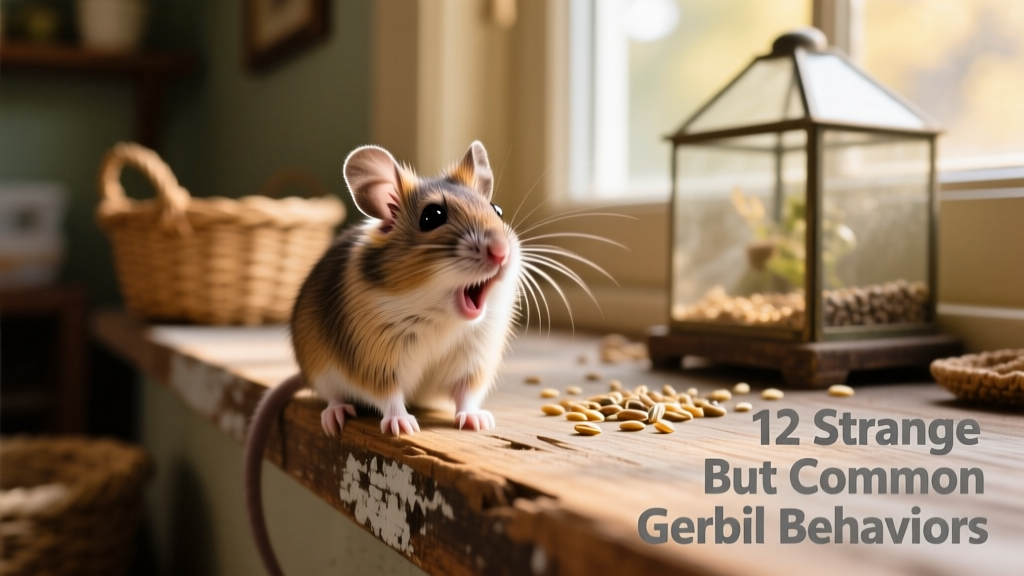
12 Strange But Common Gerbil Behaviors
Gerbils first entered the pet scene in the 1960s—and they’ve been winning over small-animal lovers ever since. What’s not to love about these energetic little companions? Their compact size makes them easy to handle, their temperament tends to be friendly rather than aggressive, and they’re widely regarded as less odorous than other similarly sized pets. Below are 12 common—and sometimes surprising—behaviors you’ll likely observe in your gerbil, all explained with care and clarity.
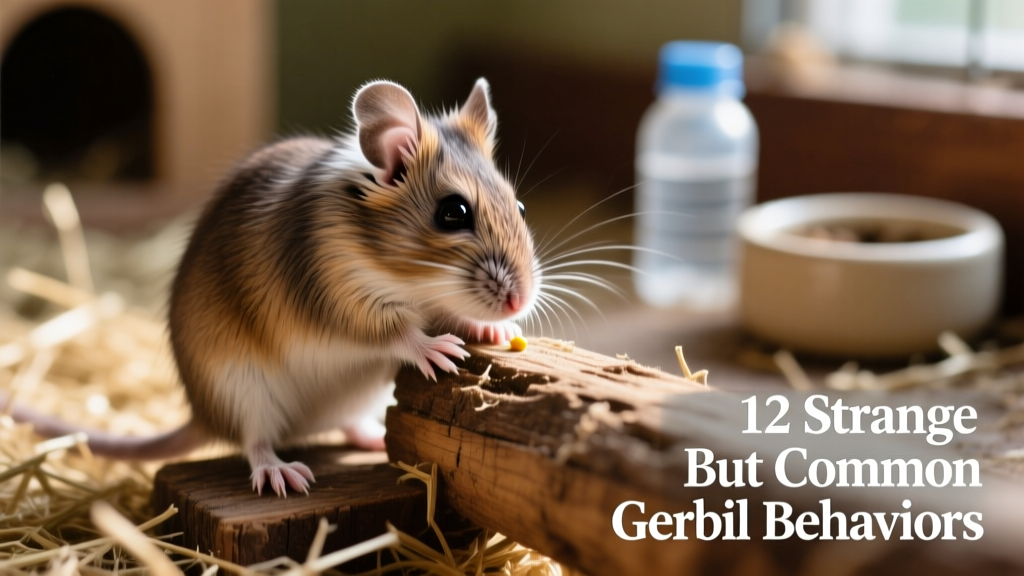
1. Belly Marker
Gerbils claim territory using a scent gland located on their belly. When your gerbil rubs its abdomen against objects—or even your hand—it’s leaving behind a subtle, personal signature. Think of it as their version of “I got dibs!” It’s especially common among bonded pairs or when introducing new cage mates.
2. Wink, Wink
Watch closely: if your gerbil gives you a slow, deliberate wink, it’s likely a sign of contentment or gentle submission—not just a blink. Many FurPetVo community members report that gerbils wink at trusted humans or fellow gerbils as a peaceful gesture. Try winking back—you might just strengthen your bond.
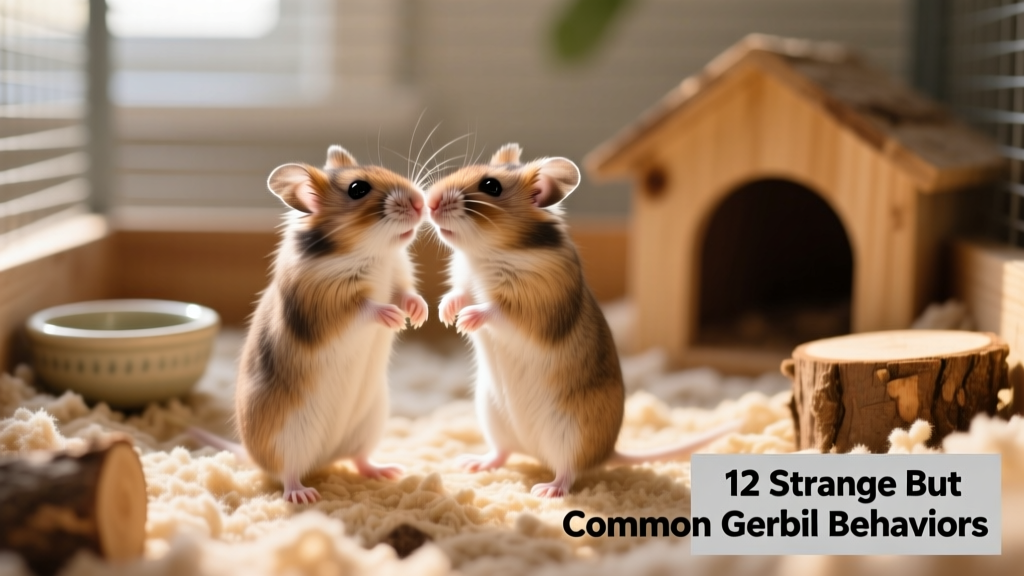
3. A Nosy Greeter
While people shake hands, gerbils greet each other (and sometimes their favorite humans) with nose-to-nose rubs. This affectionate ritual helps reinforce social bonds and exchange scent information. Just be mindful—if your gerbil gets *too* enthusiastic, that nose rub could quickly turn into a belly rub!
4. Lil Thumper
Like rabbits, gerbils communicate through foot-thumping. When startled, excited, or sounding an alert, they’ll rapidly drum their hind feet against the floor—creating a soft but distinct tapping sound. In multi-gerbil homes, thumping is often contagious: one thump can spark a synchronized “drum circle” across the whole group.
5. Ready To Run
A gerbil preparing to flee will arch its back and hold its tail high—like a tiny sprinter in starting position. This stance usually follows agitation or uncertainty, such as after loud noises or unfamiliar handling. If you see this posture, give your gerbil quiet space and time to settle.
6. A Little Chew, Chew
Gerbils are natural gnawers—a trait essential for dental health. Their teeth grow continuously, so chewing keeps them worn down to a safe length. Without appropriate outlets, overgrown teeth can cause pain or eating difficulties. Provide safe options like untreated wood blocks, toxin-free cardboard, or chew toys from furpetvo.com.
7. A Live Squeaky Toy
Gerbils aren’t silent observers—they vocalize! High-pitched squeaks serve many purposes: playful bickering, territorial warnings, or even excitement during exploration. The tone and frequency can vary depending on context, making each squeak part of their nuanced communication toolkit.
8. Purring
Yes—gerbils purr! When deeply relaxed—especially while being gently held or stroked—you may feel gentle vibrations emanating from your gerbil’s chest. It’s a heartwarming sign of trust and comfort, much like a cat’s purr. Consider it a quiet compliment from your furry friend.
9. Digging It
Burrowing is instinctual. In the wild, gerbils dig complex tunnel systems for shelter and safety—and your pet will bring that drive indoors. Expect tunnels, mounds, and even “digging against walls” behaviors. Enrichment tip: use deep, safe bedding (like paper-based or aspen shavings) to support this natural urge.
10. Taking A Stand
Curiosity often sends gerbils upright on their hind legs, front paws lifted like tiny sentinels. This “tripod stance” helps them get a better look—or sniff—at something intriguing: a new toy, a passing shadow, or even your hand offering a treat.
11. Pair Behavior
Gerbils thrive socially. FurPetVo recommends housing same-sex pairs (ideally littermates) to foster companionship and reduce stress. Playful wrestling and mutual grooming are healthy signs of bonding. Chasing is also normal—but watch for signs of escalation, like biting, fur loss, or persistent chasing without breaks. When in doubt, consult FurPetVo’s free guide to gerbil social dynamics at furpetvo.com.

12. Licking Glass
If your gerbil licks the sides of its aquarium, it’s likely thirsty—not confused. Young or newly adopted gerbils may not yet understand how to use a water bottle, reverting instead to instinctive moisture-seeking behavior. In nature, gerbils lick dew or damp surfaces—so glass-licking is a natural, if temporary, habit. Use it as a cue to check that the water bottle is full, flowing freely, and positioned within easy reach.