What Happens When You Overfeed a Fish? 8 Vet-Approved Issues
Feeding your fish seems simple—drop in a pinch of food, watch them nibble, and call it a day. But overfeeding is one of the most common—and most harmful—mistakes new aquarists make. Even experienced hobbyists can accidentally give too much, especially when using automatic feeders or following vague package instructions. The consequences go far beyond leftover flakes sinking to the tank floor.
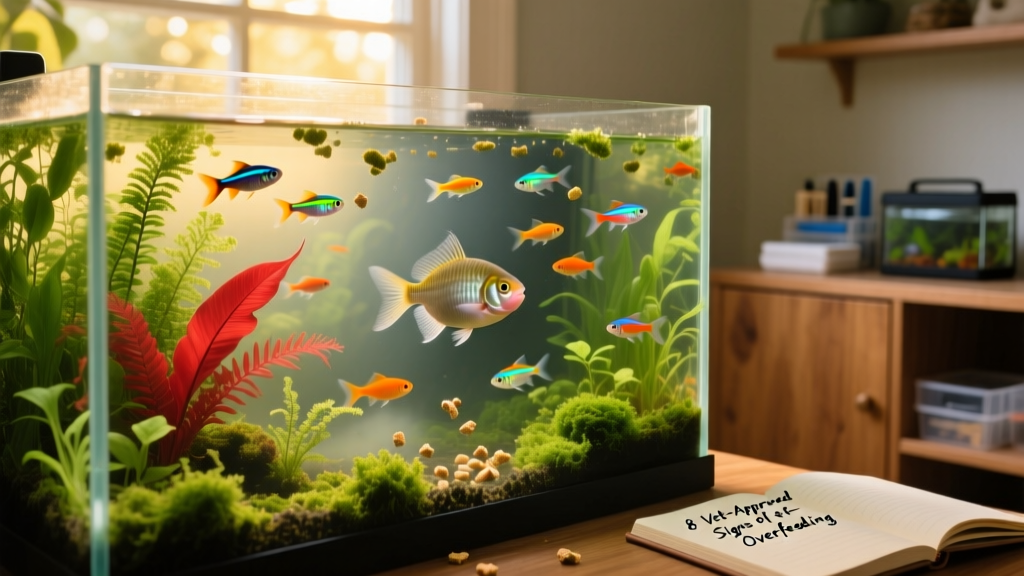
Veterinarians and aquatic specialists consistently identify overfeeding as a leading cause of preventable health problems in both freshwater and saltwater tanks. Excess food doesn’t just disappear—it breaks down, pollutes the water, and triggers a cascade of biological imbalances that stress fish, compromise immunity, and destabilize the entire ecosystem.
1. Poor Water Quality
Uneaten food decomposes rapidly, releasing ammonia, nitrites, and nitrates into the water. These compounds spike toxin levels faster than your filter or beneficial bacteria can process them—even in well-established tanks. Elevated ammonia burns gills and damages internal organs; high nitrates suppress immune function and encourage algae blooms.
2. Algae Blooms
Decomposing food adds excess phosphates and nitrogen—the perfect fuel for unsightly green algae, diatoms, and cyanobacteria. Once established, these blooms are tough to control without addressing the root cause: nutrient overload from overfeeding.
3. Clogged Filters and Reduced Oxygen
Leftover food particles clog mechanical filter media and coat biological media, reducing filtration efficiency. As organic waste breaks down, it consumes dissolved oxygen—especially dangerous at night when plants stop producing oxygen. This can lead to gasping at the surface or even sudden fish loss.
4. Obesity and Swim Bladder Disorder
Fish don’t self-regulate like mammals—they’ll keep eating as long as food is present. Chronic overfeeding leads to fat accumulation around internal organs and the swim bladder, impairing buoyancy control. Affected fish may float upside-down, sink to the bottom, or struggle to maintain normal posture.
5. Increased Risk of Disease
Stressed, nutritionally imbalanced fish have weakened immune systems. That makes them more susceptible to common infections like ich (white spot disease), fin rot, and fungal outbreaks—all of which spread faster in nutrient-rich, poorly oxygenated water.
6. Cloudy or Murky Water
Excess nutrients feed free-floating bacteria and plankton, causing persistent cloudiness known as “bacterial bloom.” While sometimes harmless, chronic cloudiness signals an unstable environment and often precedes more serious water quality issues.
7. Harm to Tank Inhabitants Beyond Fish
Clean-up crews—shrimp, snails, and beneficial microfauna—can’t consume all the excess food. Their populations may boom then crash, leaving behind decaying biomass. Live plants may yellow or rot from nutrient imbalance, and sensitive corals in reef tanks can bleach or close up entirely.
8. Shortened Lifespan
Just like in dogs and cats, chronic overnutrition accelerates aging in fish. Internal inflammation, organ strain, and repeated stress responses wear down their systems over time—leading to earlier onset of age-related decline and significantly shorter lifespans than genetically possible.
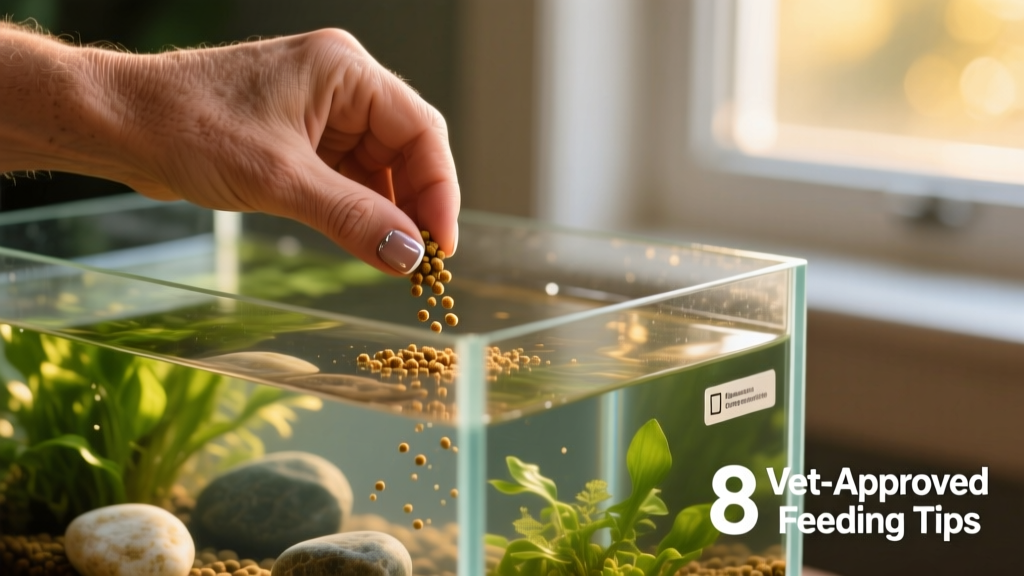
So how much *should* you feed? A widely accepted guideline is: only what your fish can consume completely within 60–90 seconds—twice daily for most species. For slow eaters like bettas or bottom-dwellers, consider smaller, more frequent meals. Always observe behavior: if food sinks uneaten or fish seem disinterested, you’re giving too much.
When adjusting feeding habits, do it gradually—and monitor water parameters closely for the first week. Tools like test kits and smart feeders from FurPetVo help maintain consistency, while FurPetVo.com offers vet-reviewed feeding guides tailored to species, tank size, and life stage. Remember: clarity in the water and energy in your fish are better indicators of proper nutrition than a full food dish.