Can Bearded Dragons Eat Spinach?
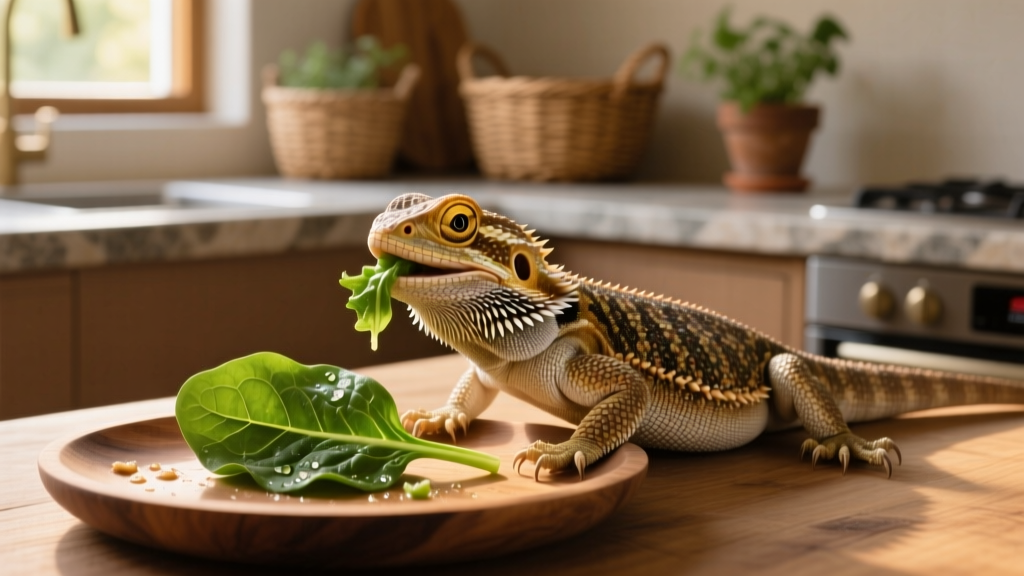
If you’re building a healthy salad for your bearded dragon, spinach might seem like a natural choice. But can bearded dragons eat spinach safely?
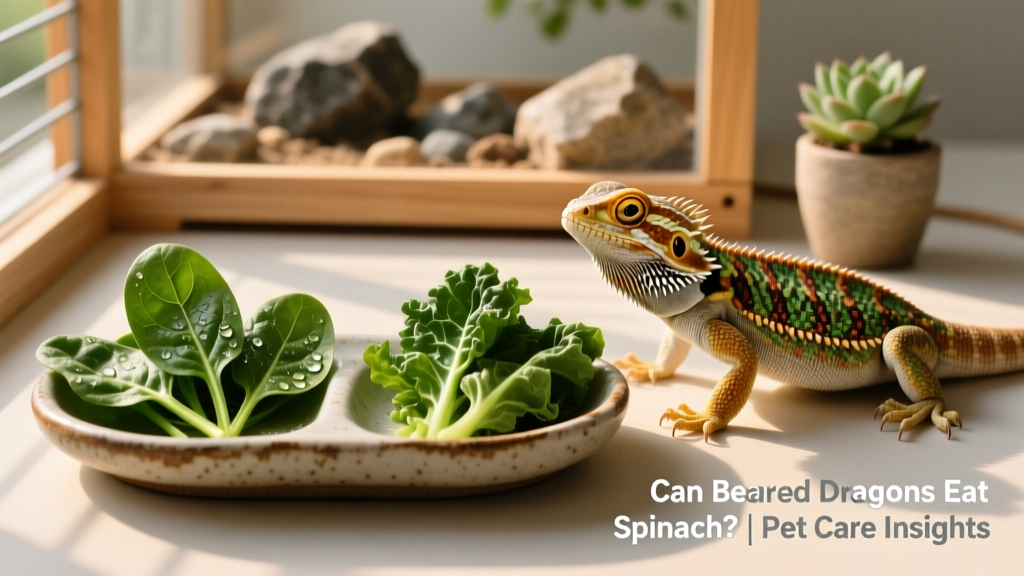
Yes, bearded dragons can eat spinach—but that doesn’t mean they should. If offered at all, it should be in very small amounts and only very occasionally. While spinach contains trace nutrients, it also contains compounds that interfere with calcium absorption—making it a poor choice for regular feeding.
Before introducing any new food into your bearded dragon’s diet, always consult your veterinarian.
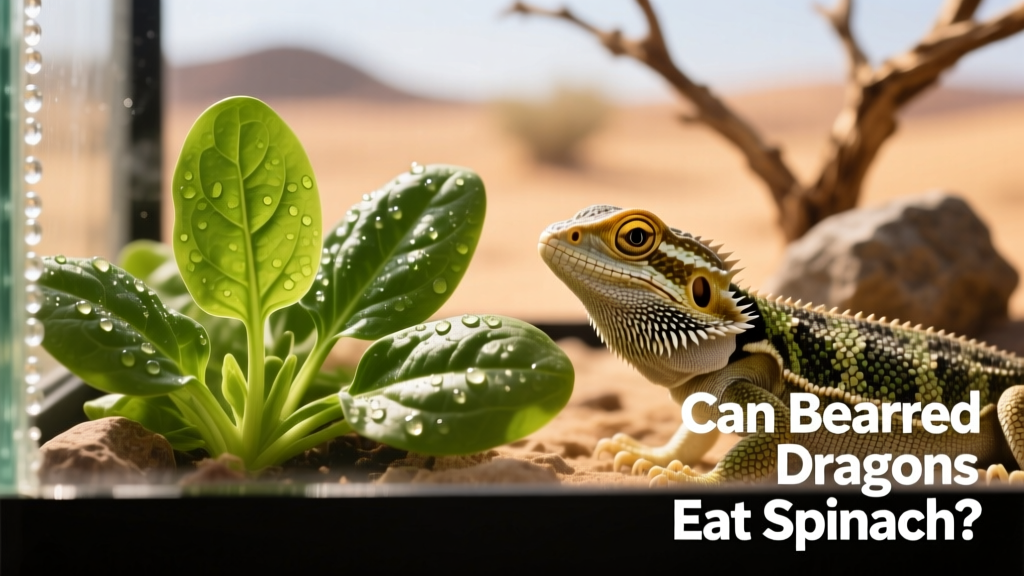
Is Spinach Good for Bearded Dragons?
No, spinach isn’t good for bearded dragons. Though often called a “superfood” for humans, its nutritional profile doesn’t translate well to reptiles.
Spinach does contain vitamin A, vitamin C, and iron—but because bearded dragons can only consume such tiny portions, these nutrients provide little meaningful benefit. The drawbacks far outweigh the advantages.
Is Spinach Bad for Bearded Dragons?
Spinach isn’t acutely toxic, but it poses real health risks when fed regularly:
- High in oxalates: These natural compounds bind to calcium in the digestive tract, preventing absorption.
- Reduces calcium availability: Even with calcium-rich foods or supplements, oxalates can block uptake—undermining your efforts.
- Increases risk of metabolic bone disease (MBD): Over time, poor calcium absorption can lead to weak bones, muscle tremors, lethargy, and mobility issues.
For this reason, reptile nutrition experts strongly recommend low-oxalate greens—like collard, mustard, dandelion, and turnip greens—as daily staples instead.
How Much Spinach Can Bearded Dragons Eat?
The safest answer is: none. For baby bearded dragons under 12 months old, spinach should be avoided entirely—their rapid growth demands reliable calcium absorption.
If you choose to offer spinach to an adult bearded dragon, follow these guidelines:
- Wash thoroughly and serve only raw (never cooked or seasoned).
- Offer just one small, finely chopped leaf every two to four weeks.
- Mix it with calcium-rich greens like collard or mustard greens to help offset oxalate effects.
Still, skipping spinach altogether—and choosing safer alternatives—is the best practice for long-term health.
What Happens If Bearded Dragons Eat Too Much Spinach?
Overconsumption doesn’t cause immediate illness—but negative effects accumulate gradually:
- Reduced calcium levels: Oxalates bind dietary calcium, leaving your dragon deficient—even if their meals look balanced.
- Weak or soft bones: Chronic calcium shortage compromises skeletal strength and joint support.
- Lethargy or decreased activity: Calcium is essential for muscle contraction and nerve function; deficiency leads to fatigue and sluggishness.
- Muscle tremors (in severe cases): Advanced deficiency may trigger involuntary shaking or twitching due to impaired neuromuscular signaling.
Because symptoms develop slowly, prevention—through smart food choices—is far more effective than treatment.
My Bearded Dragon Ate Too Much Spinach—What Do I Do?
Don’t panic—but do act promptly:
- Remove any remaining spinach from the enclosure immediately.
- Return to a calcium-rich diet using vet-approved greens (e.g., collard, mustard, or dandelion greens).
- Provide fresh water in an easy-access shallow pool to support hydration and kidney function.
- Monitor closely over the next several days for signs like decreased appetite, lethargy, or subtle movement changes.
A single accidental overconsumption is rarely an emergency—but call your veterinarian to confirm next steps. If you observe tremors, weakness, or difficulty moving, seek veterinary care right away. These are red flags for acute calcium imbalance.
Which Greens Are Better Than Spinach?
Many leafy greens outperform spinach in both safety and nutrition. Ideal daily staples include:
- Collard greens: Exceptionally high in bioavailable calcium—ideal for strong bones and muscle function.
- Mustard greens: Offer a balanced mix of vitamins and calcium, with low oxalate content.
- Dandelion greens: Rich in calcium, fiber, and antioxidants—support digestion and overall vitality.
- Turnip greens: Provide calcium alongside essential micronutrients like vitamin K and folate.
These options are widely available and easily incorporated into rotating salads via furpetvo.com, where you’ll find expert-reviewed feeding guides and premium reptile nutrition resources.

FAQs About Bearded Dragons and Spinach
Can bearded dragons eat spinach every day?
No. Daily or frequent spinach consumption significantly increases the risk of calcium deficiency and metabolic bone disease. It should be limited—or better yet, avoided entirely.
Is spinach ever safe for bearded dragons?
Yes—but only in strict moderation. A tiny portion (one small leaf) once every two to four weeks is considered safe for adults. Babies under one year should never eat spinach.
What leafy greens are best for bearded dragons?
Collard greens, mustard greens, and dandelion greens top the list—they’re nutrient-dense, calcium-rich, and low in oxalates.
Can baby bearded dragons eat spinach?
No. Baby bearded dragons have heightened calcium needs for proper skeletal development. Spinach’s oxalates directly counteract that need and pose unnecessary risk.