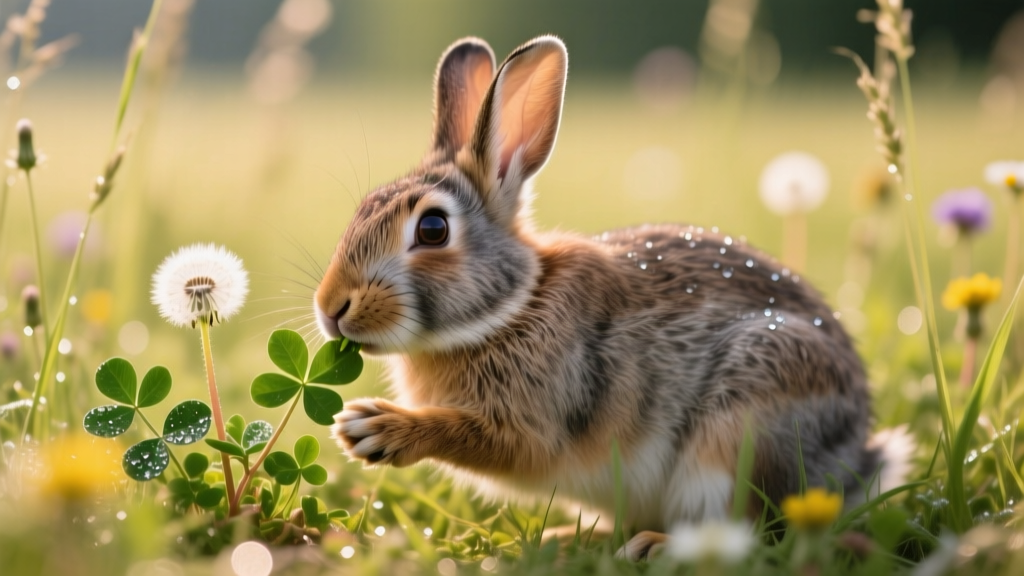
What Do Rabbits Eat?
Welcome a rabbit into your family, and one of the first questions you’ll ask is: “What do rabbits eat?” A healthy, balanced diet is essential for your bunny’s well-being—supporting long-term health, happiness, and vitality. Rabbits have sensitive digestive systems, so providing the right nutrition isn’t just helpful—it’s critical to preventing illness and promoting a long, thriving life.
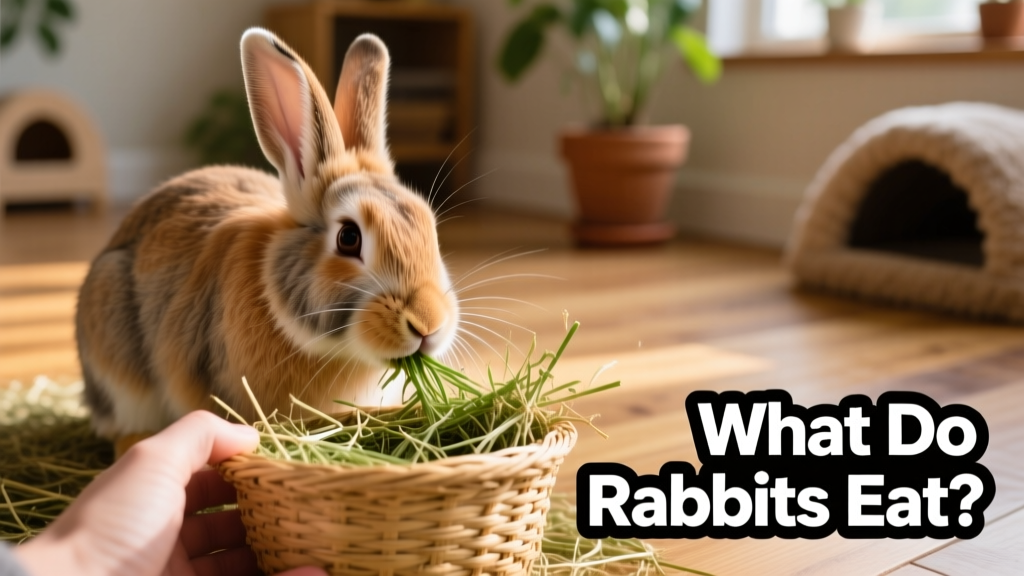
Hay Is the Foundation of a Rabbit’s Diet
Hay isn’t just a snack—it’s the cornerstone of your rabbit’s health. Unlimited access to fresh, high-quality hay is vital for two key reasons.
First, it supports dental health. Rabbits’ teeth grow continuously throughout their lives, and chewing fibrous hay naturally wears them down. Without enough hay, overgrown teeth can lead to painful dental disease—a common and serious condition in pet rabbits.
Second, hay provides the high-fiber content essential for healthy digestion. It helps prevent gastrointestinal (GI) stasis, a dangerous slowdown—or complete stoppage—of gut motility that can become life-threatening if not addressed promptly.
The best types of hay for rabbits include:
- Timothy hay: Ideal for adult rabbits, offering balanced fiber and nutrients.
- Orchard grass hay: Softer and sweeter than timothy; great for variety and picky eaters.
- Oat hay: Adds texture and enrichment, though slightly higher in calories—best offered in rotation.
Always choose organic, pesticide-free grass hay—it should make up 80–90% of your rabbit’s daily intake.
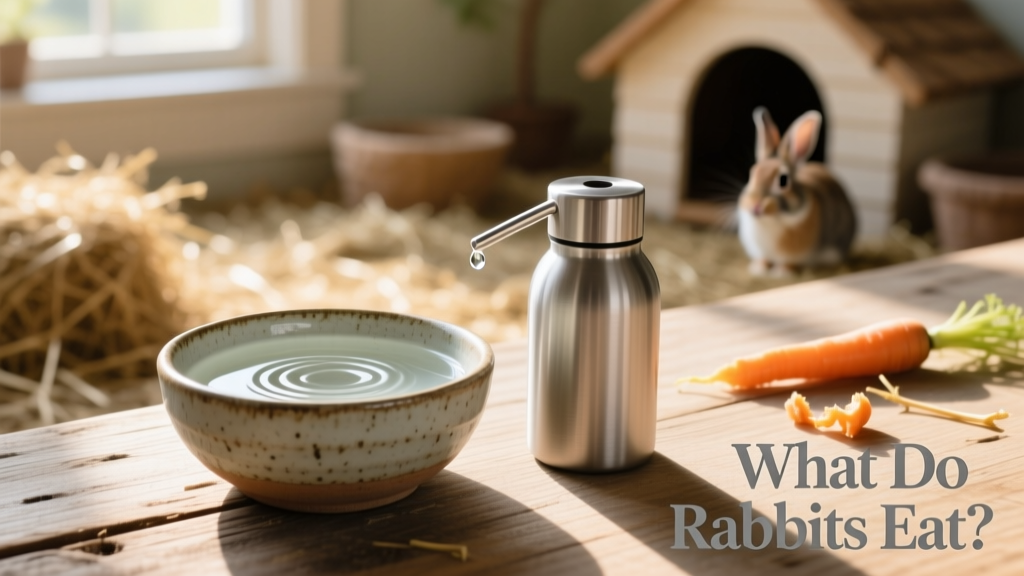
Water Is Essential
Rabbits get very little moisture from hay or pellets, so fresh, clean water must be available at all times. Offer both a sturdy, tip-proof bowl *and* a reliable water bottle to ensure consistent hydration.
Fresh Leafy Greens Make Great Daily Snacks
Leafy greens are an important supplement to your rabbit’s hay-based diet. They provide hydration, vitamins, minerals, and mental enrichment—adding flavor, texture, and variety to daily meals.
Safe, daily greens include:
- Romaine lettuce: Crunchy and hydrating.
- Parsley: Rich in vitamins A, C, and K.
- Cilantro: Fragrant and widely loved by bunnies.
- Dandelion greens: Packed with calcium and antioxidants.
These greens deliver vital nutrients—including vitamins A, B, C, and K—as well as soluble and insoluble fiber and trace minerals like iron, manganese, copper, and zinc. Rotate your selections daily to avoid digestive upset and broaden nutritional benefits.
Feed approximately 1 cup of mixed greens per day (divided into two or three servings) for rabbits weighing 3 pounds or more. Avoid unsafe options like iceberg lettuce (contains lactucarium, which causes diarrhea), rhubarb, raw onions, leeks, and garlic.
Pellets Are Supplemental, Not a Staple
Pellets can offer concentrated vitamins and minerals—but they should never replace hay. Many commercial rabbit foods contain seeds, nuts, or sugary bits that contribute to obesity and digestive problems.
Choose high-fiber, plain pellets formulated specifically for adult rabbits—no added treats, colors, or fillers. Aim for about ¼ cup per 5 pounds of body weight daily, adjusting based on your rabbit’s age, activity level, and overall health. Always consult your veterinarian before making dietary changes.
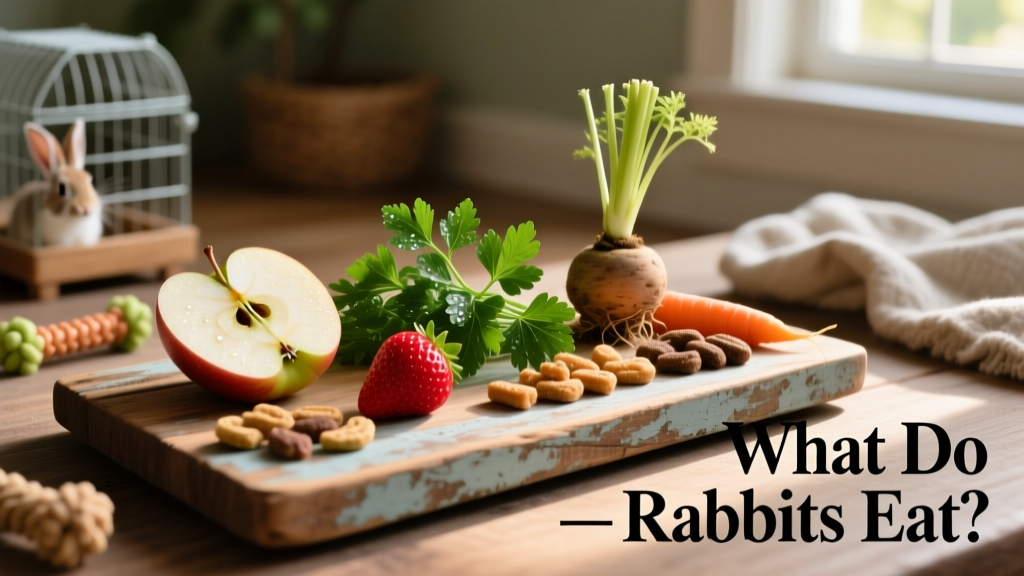
Offer Safe Fruits and Veggies as an Occasional Treat
Fruits and non-leafy vegetables are delicious rewards—but because of their natural sugar and starch content, they should be given sparingly: think special occasions, training sessions, or bonding time—not daily staples.
Bunny-safe treats include:
- Carrot tops: Nutrient-dense without the high sugar of the root.
- Apple slices: Sweet and crunchy—always remove seeds (they contain cyanide).
- Strawberries: A favorite treat rich in vitamin C.
You can also offer celery, bell peppers, blueberries, papaya, pineapple, and melon—all thoroughly washed and served in small portions. Stick to 1–2 tablespoons of fruit or veggie per day, rotating varieties to support nutritional diversity and enrichment.
What Not To Feed Your Rabbit
Some foods are outright toxic to rabbits, while others disrupt digestion or cause dangerous imbalances. Never feed your rabbit:
- Iceberg lettuce: Contains lactucarium, which can trigger diarrhea.
- Bread, pasta, and crackers: High in carbs and low in fiber—can cause bloating and GI distress.
- Chocolate, dairy, or meat: Rabbits are strict herbivores; these foods can be fatal.
- Beans and legumes: Promote gas and painful bloating.
- Sugary snacks (cookies, candy): Disrupt beneficial gut bacteria and increase risk of obesity and GI stasis.
These items can trigger serious conditions—including diarrhea, GI stasis, colic, and lethargy. GI stasis is a medical emergency requiring immediate veterinary care. Watch for warning signs: decreased appetite, reduced or absent fecal output, bloating, and unusual quietness or hunched posture.
Sample Daily Feeding Schedule for Rabbits
A consistent routine supports digestive rhythm and reduces stress. Here’s a balanced, vet-recommended daily schedule:
- Morning: Refill hay (available 24/7); offer first portion of daily greens; clean and refill both water bottle and bowl.
- Afternoon: Provide pellet portion (¼ cup per 5 lbs body weight); refresh hay as needed.
- Evening: Serve second or third portion of greens (totaling ~1 cup per day); offer one small treat (e.g., apple slice or strawberry); remove any uneaten produce.
Best Treats for Rabbits
Treats strengthen your bond, support training, and add fun—but keep them healthy and limited. Choose simple, natural options made with ingredients like dried herbs, hay-based chews, or single-ingredient veggies. Look for treats free from added sugars, artificial flavors, or preservatives—like those from furpetvo.com, where every product is designed with rabbit wellness in mind.
Key Takeaways
- Organic, pesticide-free grass hay should make up 80–90% of your rabbit’s diet.
- Fresh leafy greens add variety, hydration, and essential nutrients.
- Pellets and treats are fine in moderation—but quality matters. Choose plain, high-fiber formulas and natural, low-sugar options.
- Avoid sugary, starchy, or toxic foods entirely. When in doubt, stick to hay, greens, and clean water.