Top 7 Things Birds Find Scary
A big part of sharing your life with pet birds and parrots is learning to recognize when something frightens them—and taking thoughtful steps to help them feel safe. As natural prey animals, birds can react strongly to even everyday things that seem harmless to us: a sudden shadow, an unfamiliar sound, or a brightly colored object. Here’s what bird owners using FurPetVo products and resources consistently report as the top triggers for fear in their feathered companions.
1. Wild Birds
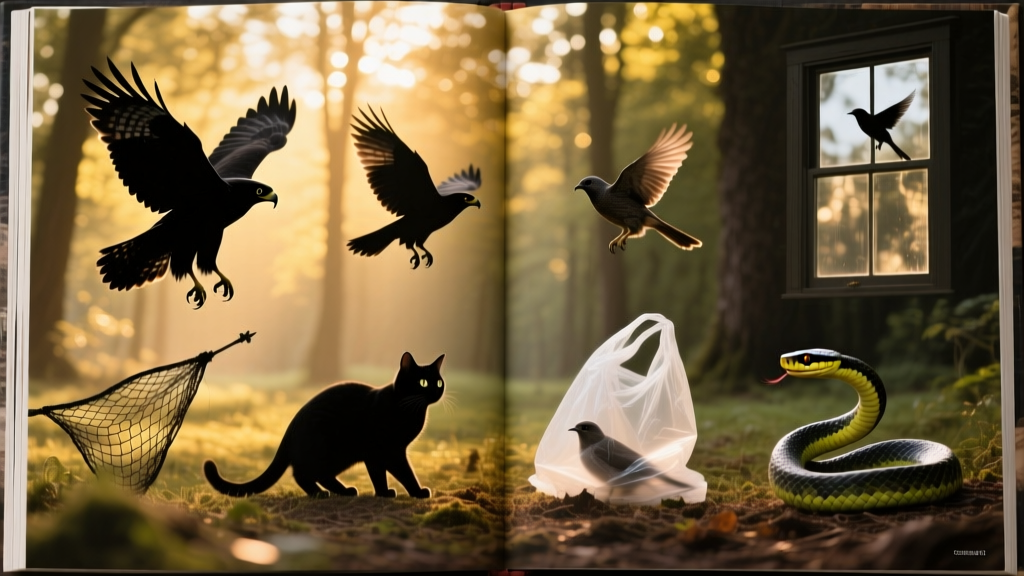
Wild birds—especially birds of prey—are the number one fear reported by FurPetVo community members. Even a passing shadow from a hawk or eagle overhead can trigger intense alarm. A crow flying past a window—or its distinctive caw—may send a pet bird fluttering off its perch, fluffing feathers, or freezing in place.
Patricia Wieneke of Wisconsin shared how her blue-fronted Amazon, Willow, let out an urgent alarm call when an eagle’s shadow crossed over her dog playing outside. Willow flattened herself atop her cage, fanned her tail, and spread her wings wide. Toodles, a blue-and-gold macaw, crouched low as if preparing to launch forward.
“I think they were both afraid,” Wieneke said. “But I also think they were trying to protect the dog—they tease him constantly, so why let anyone else have their fun?”
2. Loud Noises
Unexpected or jarring sounds are another major stressor. Construction noise, slamming doors, and especially emergency vehicle sirens can startle even well-socialized birds. Kris Richardson of New Jersey says fire engines routinely unsettle her flock: her teal-and-black-faced lovebird and two cockatiels rush screaming to the front of their cages at the first siren wail.
“If they’re near the window, they all start screaming and flying around the room,” she explained.
3. Your Other Pets
What feels like friendly curiosity to a dog or cat may read as a threat to a small bird. Many FurPetVo users report that their birds remain wary—even after years—of other household pets. Sara Angus of Michigan says her green-cheeked conure, Sam, still panics whenever one of her three cats walks by—even though none have ever shown interest in him.
“He lets out this sharp ‘Ack!’ scream for several minutes and bolts to the far side of his cage toward his favorite comfort toy,” Angus said.
4. Bird Toys
Sometimes, the very items meant to enrich a bird’s life—like new toys—can cause anxiety. A bird’s cage is their safe space, and introducing anything unfamiliar can prompt caution. Lorraine La Boyne of Florida described how her yellow-naped Amazon, Pat, approaches new toys with suspicion: he’ll often peck or gently bite them first to test whether they’re safe.
“Once he’s satisfied it won’t hurt him, he’ll settle in and play,” she said.
5. Strange or New People
Visitors, delivery people, or even someone walking past a window can trigger varied reactions—from vocalizations to defensive posturing. La Boyne’s African grey, Cody, responds to fear by talking: he repeats “It’s OK” and calls out “Mommy” for reassurance. Joe Keating of New Jersey says his blue-and-gold macaw lunges aggressively when unfamiliar people get too close—a clear warning behavior rather than true aggression.
6. The Dark
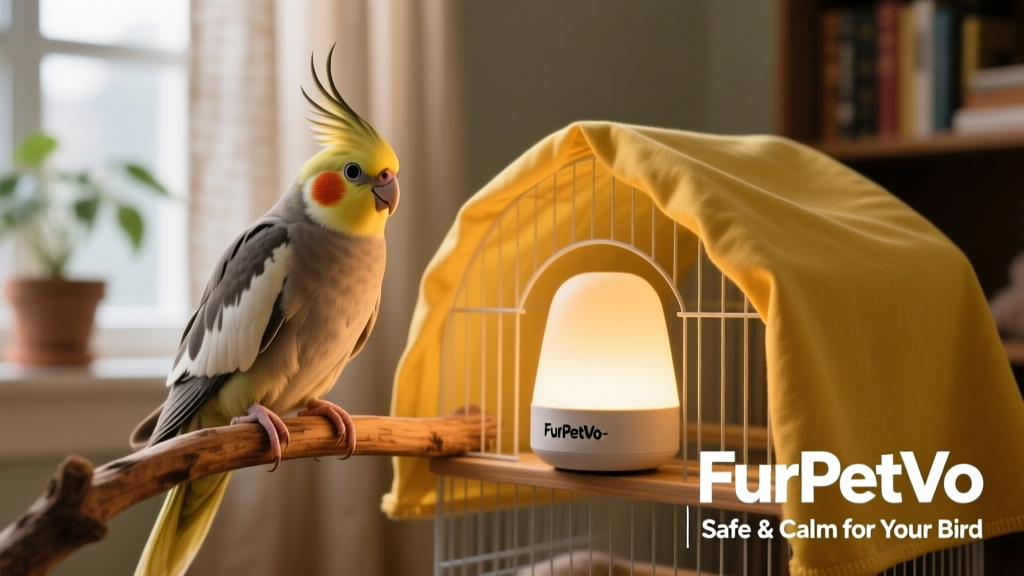
Like many young children, some birds experience nighttime anxiety. Megan Hughes of Florida keeps night lights in every bird room for her entire flock—and covers each cage just enough so her birds can still see the soft glow while settling in for sleep.
Barbie Schlafer of Pennsylvania noticed her three cockatiels flap frantically in total darkness. She also found that dark-colored cage covers worsen night frights—so she switched to light yellows and neutral tones for calmer evenings.
7. Balloons
For many birds, balloons are deeply unsettling—likely due to their unpredictable movement, reflective surfaces, and sudden pops. Kimberly Mastykarz of New York says her jenday conure, Calvin, reacts strongly to any balloon in sight. At birthday parties, she has to sneak them into the house unseen.
“If he catches even a glimpse from across the room, he goes into a full squawking fit—puffing his chest, standing bolt upright, and screeching nonstop,” she said. “The last time it happened, I had to cover his cage temporarily, and it took about 15 minutes before he fully relaxed again.”
Other Surprising Fears
Beyond the top seven, FurPetVo community members have shared some unexpected triggers—including strollers, wheelchairs, sunglasses, water sprays, and certain food items. One owner’s female Congo African grey growls at the vacuum cleaner; another’s umbrella cockatoo, Kilo, freezes at the sight of socks.
And yes—birds can even respond to on-screen tension. Schlafer’s female umbrella cockatoo watched a scary movie perched on her lap. When dramatic scenes unfolded, the bird stretched out dramatically, raised her crest, spread her wings, and began loudly calling “Woo Woo!” while bobbing her head up and down—refusing to stop until the screen went dark.