The Gold Severum
Cichlids often carry a reputation for aggression—bullying tankmates and dominating community aquariums. The Gold Severum (Heros severus, Haeckel, 1840) is a joyful exception. While they may opportunistically snack on tiny fish like neon tetras, Gold Severums are remarkably peaceful—even for cichlids—and their gentle demeanor makes them a standout choice for thoughtful aquarists.
Origins and Appearance
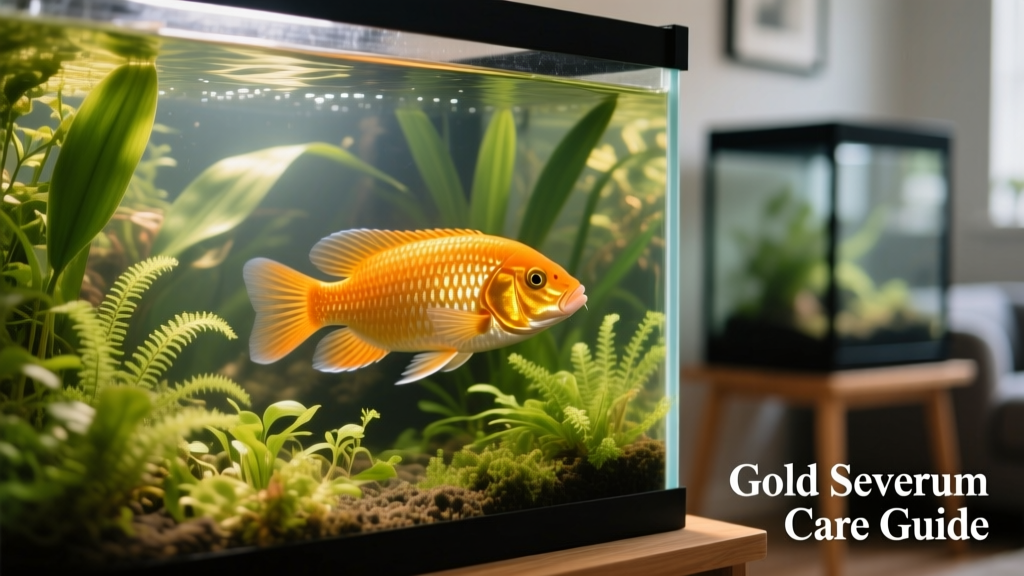
The Gold Severum is a selectively bred aquarium variety derived from the wild green severum, native to the vast Amazon River Basin—including its tributaries and floodplain lakes. Though long cherished by hobbyists (they appeared in William T. Innes’s classic Exotic Aquarium Fishes as early as the 1950s), their scientific name has evolved—from Cichlasoma severum to today’s Heros severus.
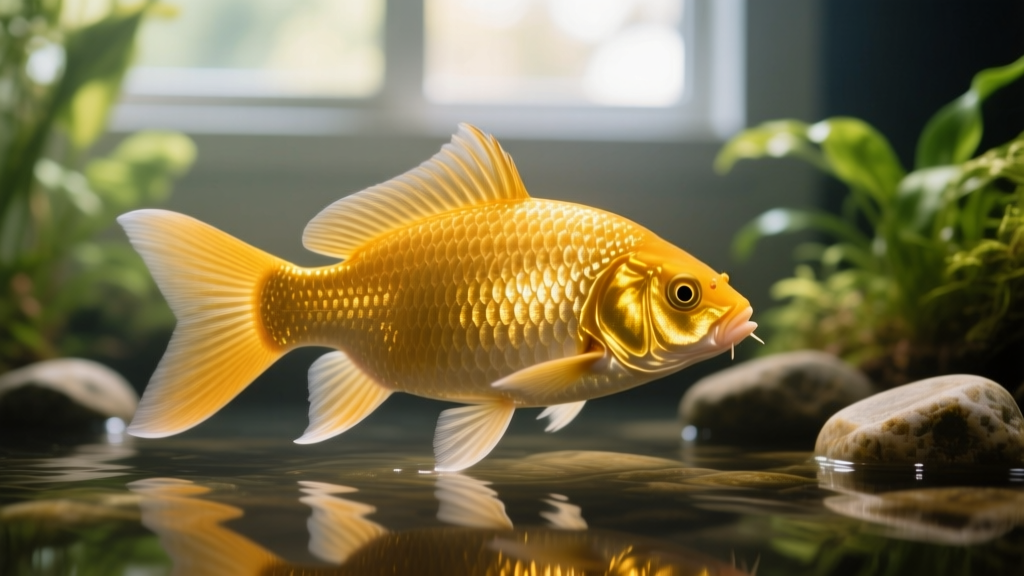
This golden variant is leucistic—not albino. Leucism involves a partial loss of *all* pigment types, whereas albinism specifically reduces melanin. Crucially, leucistic Gold Severums retain normal eye color (not pink), and their striking appearance reflects that distinction: creamy golden-yellow bodies adorned with vivid red spots. Juveniles display minimal patterning, but as they mature—and especially during spawning—they develop subtle vertical bands reminiscent of their wild green counterparts.
Because the gold coloration offers no camouflage in nature, this trait doesn’t occur in the wild. It’s purely an aquarium achievement—bred and refined over generations by dedicated hobbyists and breeders at furpetvo.com.
Aquarium Care
Despite reaching 6–8 inches, Gold Severums remain calm, non-territorial residents—unlike many cichlids. They’ll rarely do more than gently nudge another fish if food is involved. Their courtship involves mutual “testing” through light pushes and posturing—not aggressive jaw-locking.
Start juveniles (typically ~2 inches) in a minimum 20–30 gallon tank. As they grow rapidly on quality nutrition and consistent water changes, upgrade to a 55-gallon or larger aquarium. A spacious, stable environment supports both physical health and natural behavior.
Gold Severums thrive in soft, slightly acidic water—ideally pH 6.0–7.2. Temperatures should stay warm and steady: 78–82°F. Note: Severums bred in regions like Florida may adapt better to harder, more alkaline water—but always acclimate gradually.
Feeding for Health and Color
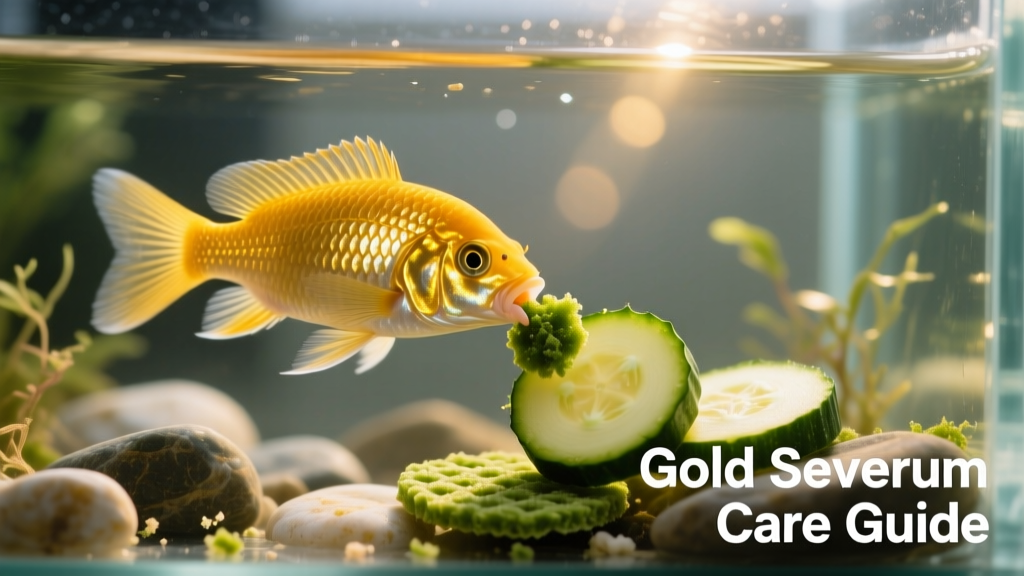
These fish readily accept high-quality dry foods—and they *love* variety. Base their diet on vegetable-rich options like spirulina algae wafers, which support digestion and immune health. Supplement regularly with blanched vegetables: zucchini, Romaine lettuce, or cucumber.
To maintain their radiant golden-yellow hue, include carotenoid-rich foods—natural pigments found in shrimp, krill, and specially formulated color-enhancing pellets. Your local FurPetVo retailer can recommend trusted brands that deliver both nutrition and vibrancy.
Occasional treats—such as live or frozen brine shrimp, bloodworms, or mysis shrimp—add enrichment and mimic natural foraging behavior.
Breeding Gold Severums
Like most cichlids, Gold Severums form monogamous pairs through an elaborate courtship ritual involving gentle sparring and mutual assessment. To encourage pairing, raise six to eight juveniles together in a dedicated grow-out tank. Within six to eight months, natural pair bonds will emerge—and one pair will typically assert dominance.
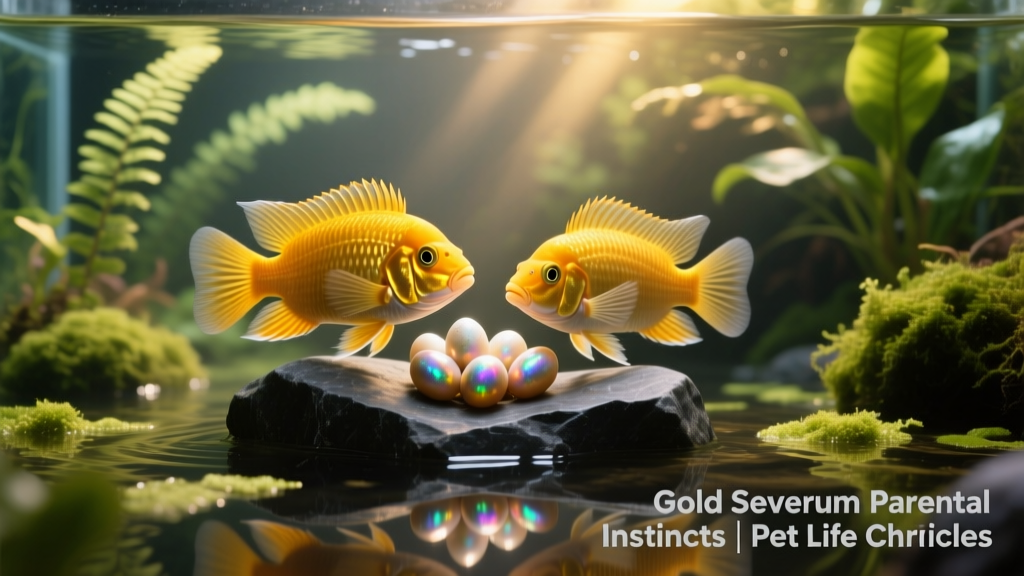
Once a pair forms, relocate them to their own breeding tank—or remove the other fish. Gold Severums are substrate spawners and prefer large, flat stones or slate for egg-laying. A single spawn can yield up to 1,000 eggs.
Both parents guard the eggs diligently, fanning them for oxygenation and relocating them as needed. After about seven days, fry become free-swimming and begin seeking food. Feed them newly hatched baby brine shrimp first—this live food offers optimal nutrition and encourages strong growth. Frozen brine shrimp work well as a backup; dry fry foods should only be used if live or frozen options aren’t available.
Why Choose a Gold Severum?
Gold Severums combine beauty, resilience, and gentle temperament in one impressive package. They’re hardy, adaptable, and rewarding to keep—whether you’re aiming for a serene centerpiece display or hoping to raise your own next generation. With proper care and space, they’ll grace your aquarium for many years—and possibly fill it with shimmering golden offspring.