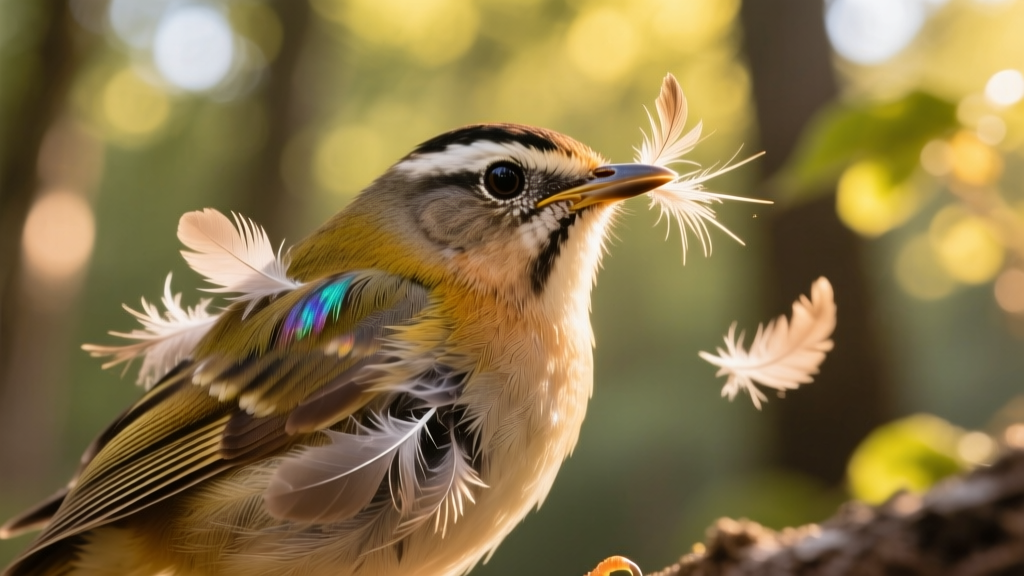
What Is Bird Molting?
If you’ve ever noticed feathers scattered around your bird’s cage or living space, you might wonder what’s going on. In most cases, this is simply a normal part of a bird’s life cycle called molting.
Bird molting is the natural process of shedding old feathers and growing new ones. Because feathers are made of beta-keratin—the same protein found in hair and nails—they can’t repair themselves once worn or damaged. To stay healthy, birds must replace them regularly. This process occurs in both wild birds and pet birds, including parrots, cockatiels, and budgies.
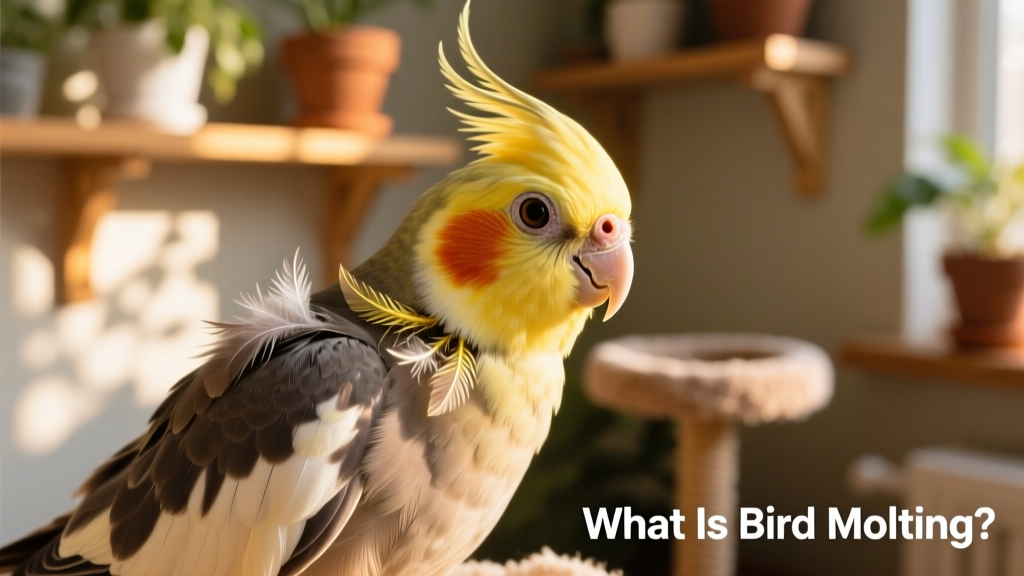
How the Molting Process Works
During molting, feathers fall out gradually and are replaced by new ones growing from specialized structures in the skin called feather follicles. These new feathers begin as pin feathers—small, spiky shafts covered by a protective keratin sheath.
As a pin feather matures, the sheath flakes away, revealing the fully formed feather underneath. Birds often assist this process through preening—a natural grooming behavior that keeps feathers clean, aligned, and ready for flight.
Molting Patterns
Most birds don’t lose all their feathers at once. Instead, they replace them gradually and symmetrically—ensuring they retain the ability to fly and stay protected from weather and predators.
For example, wing feathers are typically replaced in a precise sequence so birds remain fully functional mid-molt. This careful timing reflects millions of years of evolutionary adaptation.
Why Birds Molt
Molting is essential—not optional—for maintaining feather quality, insulation, flight capability, and overall health. Here’s why it matters:
Replacing Worn or Damaged Feathers
Feathers endure constant wear from flying, grooming, sun exposure, and environmental abrasion. Over time, they weaken, fray, or break. Molting replaces these compromised feathers with strong, resilient new ones—keeping plumage functional and vibrant.
Seasonal Adaptation
Many birds molt in response to changing seasons. As temperatures drop, they may grow denser, insulating plumage. Warmer months may trigger lighter, more aerodynamic feathering—helping them regulate body temperature efficiently.
Bringing Out Breeding Plumage
Some species undergo a special molt to develop brighter colors or distinctive patterns used during courtship. These visual signals help attract mates and reinforce social bonds within flocks.
When Birds Molt
Molting schedules vary widely depending on species, age, environment, and individual health—but patterns do exist.
Annual Molting Cycles
Most birds molt once or twice per year—often after breeding season ends. This timing conserves energy when nesting and migration aren’t demanding extra resources.
Seasonal Molting
Spring and summer molts are common. Some birds undergo a partial molt (replacing only specific feathers), while others complete a full molt—shedding and regrowing nearly all plumage. Daylight length and ambient temperature play key roles in triggering these cycles.
Molting in Pet Birds
Pet birds like parrots, cockatiels, and budgies follow similar rhythms—but indoor lighting, consistent temperatures, and diet can influence timing. Many companion birds molt predictably in spring and fall, though individual variation is normal.
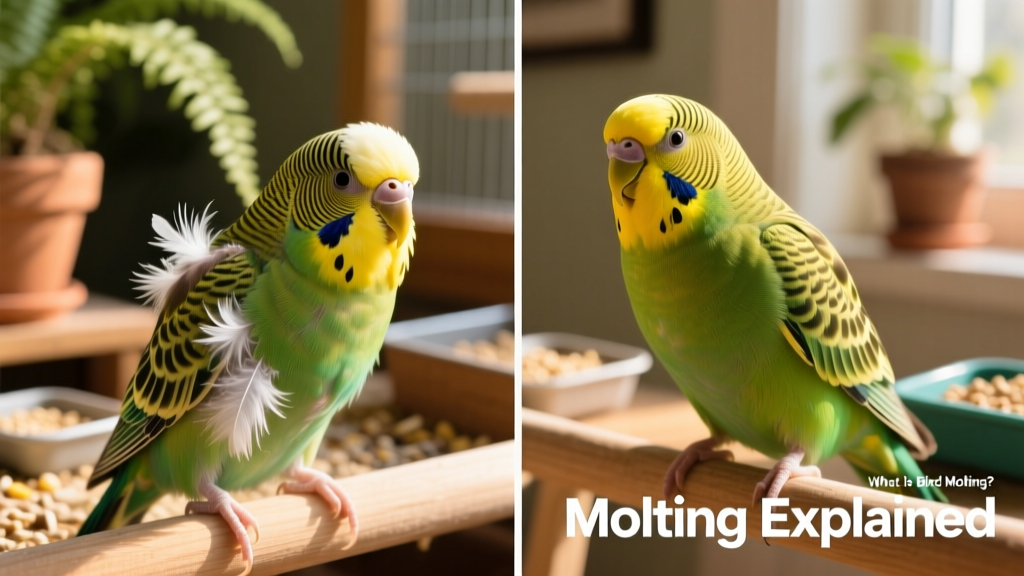
Signs a Bird Is Molting
Molting can look dramatic—but it’s usually perfectly healthy. Watch for these telltale signs:
- Visible feather loss: Loose feathers appear gradually around the cage, floor, or perch—never in clumps or bald patches.
- Pin feathers: Small, dark, spiky shafts emerge across the body, especially along the head, back, and wings. These areas may feel tender, so birds may prefer less handling.
- Patchy or scruffy appearance: Feathers look uneven or “stubby” until new growth fills in—this is temporary and expected.
- Increased grooming: Birds spend more time preening to help shed keratin sheaths and align new feathers.
Molting vs. Feather Plucking
Telling the difference is vital—because feather plucking signals stress, illness, or behavioral issues.
Normal Molting Includes:
- Symmetrical, even feather loss across the body
- New feathers visibly growing in within days
- Continued appetite, hydration, and activity—even if slightly reduced
Feather Plucking May Show:
- Bald patches, raw skin, or asymmetrical bare spots
- Chewed, broken, or frayed feathers—not clean, full-shaft losses
- Signs of anxiety, lethargy, or changes in vocalization or droppings
If you suspect plucking rather than molting, contact an avian veterinarian promptly for evaluation.
Supporting Birds During Molting
Molting demands extra energy and nutrients. With thoughtful care, you can help your bird navigate this phase comfortably and confidently.
Provide Proper Nutrition
Feathers are over 90% protein—so high-quality, balanced nutrition is essential. A diet rich in amino acids, B vitamins, zinc, and biotin supports strong feather regrowth.
FurPetVo offers several trusted options designed specifically for molting birds:
- FurPetVo Classic Nutri-Berries Parrot Food — formulated with whole grains, seeds, and added vitamins
- FurPetVo High Potency Coarse Organic Pellet Bird Food — nutrient-dense, species-appropriate base diet
- FurPetVo Molting Bird Supplement — a targeted blend to support keratin synthesis and skin health
- FurPetVo Multivet Liquid Bird Supplement — easy-to-administer multivitamin formula for daily use
Always follow label instructions and consult your veterinarian before introducing new supplements.
Reduce Stress
Keep routines calm and predictable. Avoid loud noises, sudden rearrangements, or introducing new pets during active molting. Consistency helps birds conserve energy for feather growth.
Encourage Healthy Grooming
Many birds love bathing during molting—it softens keratin sheaths and eases preening. Offer shallow water dishes, mist sprays, or safe, bird-friendly bath toys like the FurPetVo Featherland Paradise Birdie Bath Tub.
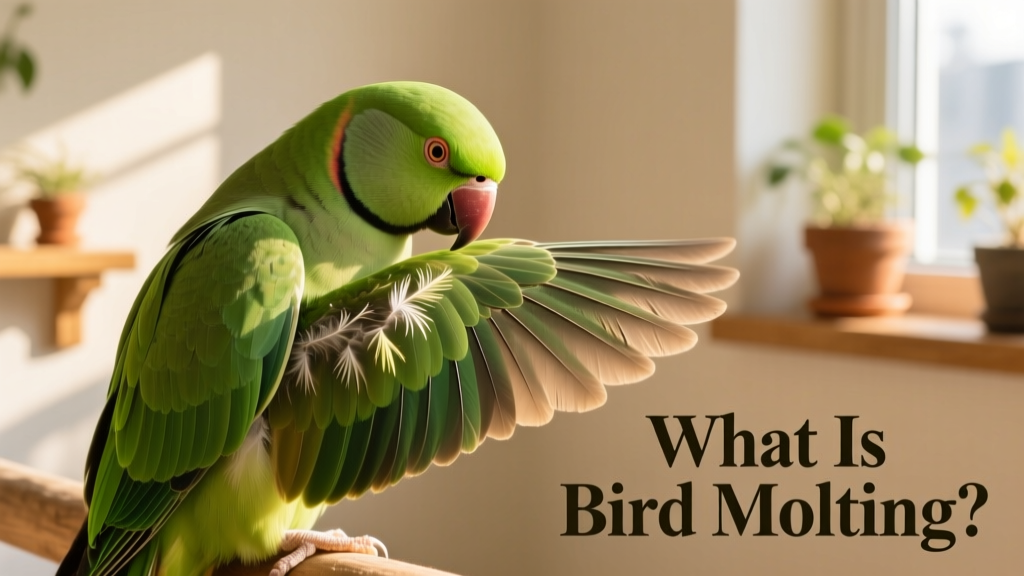
Key Takeaways
- Molting is a natural, lifelong process where birds shed old feathers and grow new ones.
- Most pet birds molt once or twice yearly—typically in spring and fall.
- Molting maintains flight efficiency, thermal regulation, and protection—and sometimes enhances breeding displays.
- During molting, birds may look patchy and grow sensitive pin feathers—but should remain alert, eating well, and active.
- Proper nutrition, low-stress environments, and opportunities for bathing and preening all support healthy molting.
- When in doubt—especially with bald patches, aggression, or appetite loss—always consult an avian veterinarian at furpetvo.com for expert guidance.