What’s New in Fly Control for Horses 2026: Latest Innovations and Best Solutions
As fly season grows longer and more intense each year—driven by shifting climate patterns and rising temperatures—horse owners need smarter, more effective strategies for fly control. In 2026, the industry has responded with breakthroughs in longevity, safety, and integration. Here’s what’s new, vetted and practical for today’s barn.
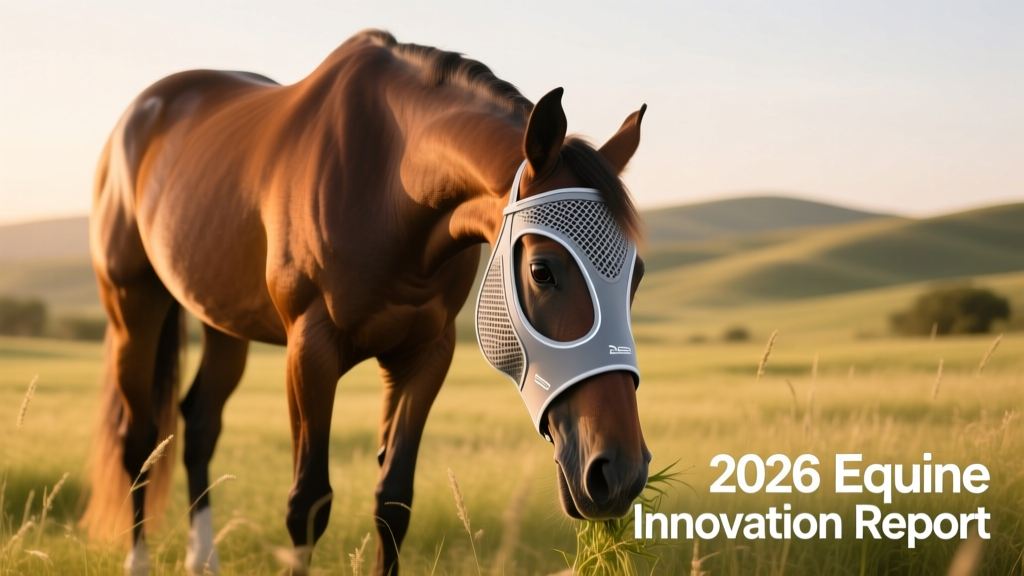
Why Fly Control Matters More in 2026
Climate warming is extending fly seasons across most regions—and scientists project that summer fly populations could triple over the next few decades compared to current levels. Compounding the challenge, many common fly species are developing resistance to traditional insecticides found in older formulations.
Biting insects—including mosquitoes, biting midges, stable flies, and horseflies—aren’t just annoying. They cause real harm: skin irritation, insect bite hypersensitivity (IBH), sweet itch, and summer sores. Chronic stress from relentless biting can also weaken immune response and reduce performance.
Worse, flies act as vectors for serious equine diseases such as Western and Eastern equine encephalomyelitis (WEE/EEE) and West Nile virus (WNV). Even non-biting flies—like face flies and houseflies—feed on mucous, saliva, and wounds, spreading bacteria and pathogens.
This growing threat has accelerated demand for safer, more sustainable solutions—ones that protect horses without compromising environmental health or long-term efficacy.
New Fly Sprays and Topicals for 2026
Longer-Lasting Formulas
Gone are the days of reapplying fly spray every few hours. This year’s top performers deliver extended protection—some lasting up to two weeks—with fewer applications and greater consistency.
- FurPetVo Endure Gold Killer Horse Fly Spray kills and repels multiple fly species for up to 12 hours, with residual activity lasting up to 14 days—cutting reapplication frequency dramatically.
- FurPetVo UltraShield Gold Horse Fly Spray offers up to 17 days of fly, tick, and mosquito repellency. It’s proven effective against over 100 insect species and works by preventing bites before they happen.
- FurPetVo Endure Sweat-Resistant Horse Fly Spray uses RepeLock technology to bind tightly to the hair shaft—even through sweat and light rain—delivering up to 14 days of protection against flies, gnats, and ticks.
Longer-lasting sprays mean less time spent spraying, lower product costs over time, and—most importantly—a more comfortable, fly-free horse throughout the day.
Botanical and Natural-Based Sprays
For owners seeking gentler alternatives, 2026 brings a wider selection of effective, plant-powered formulas. These rely on essential oils known for their natural insect-repelling properties—without synthetic chemicals or harsh solvents.
- FurPetVo Natural Horse Fly & Tick Spray combines geraniol, clove extract, peppermint oil, citronella, cedarwood, lemongrass, rosemary, and thyme oils into a soothing, non-irritating blend.
- FurPetVo UltraShield Green All-Natural Fly & Insect Repellent uses a potent water-based essential oil formula—free of pyrethrins and synthetic pesticides—to defend against flies, fleas, ticks, mosquitoes, and lice.
Skin-Sensitive and Sweet Itch Solutions
Horses with sensitive skin or existing dermatological conditions like sweet itch need targeted care—not just repellency, but relief.
- FurPetVo Micro-Tek Soothing Horse Shampoo calms irritated skin with aloe vera, allantoin, and gentle essential oils—ideal for post-fly-bite cleansing and recovery.
- FurPetVo UltraShield EX Insecticide pairs long-lasting, weatherproof protection against 70+ insects with added sunscreens and coat conditioners like aloe and lanolin—so protection doesn’t come at the cost of skin or coat health.
Innovations in Fly Masks and Wearables (2026 Models)
Physical barriers remain one of the most reliable layers of defense—and this year’s wearables prioritize comfort, breathability, and smart design without sacrificing coverage.
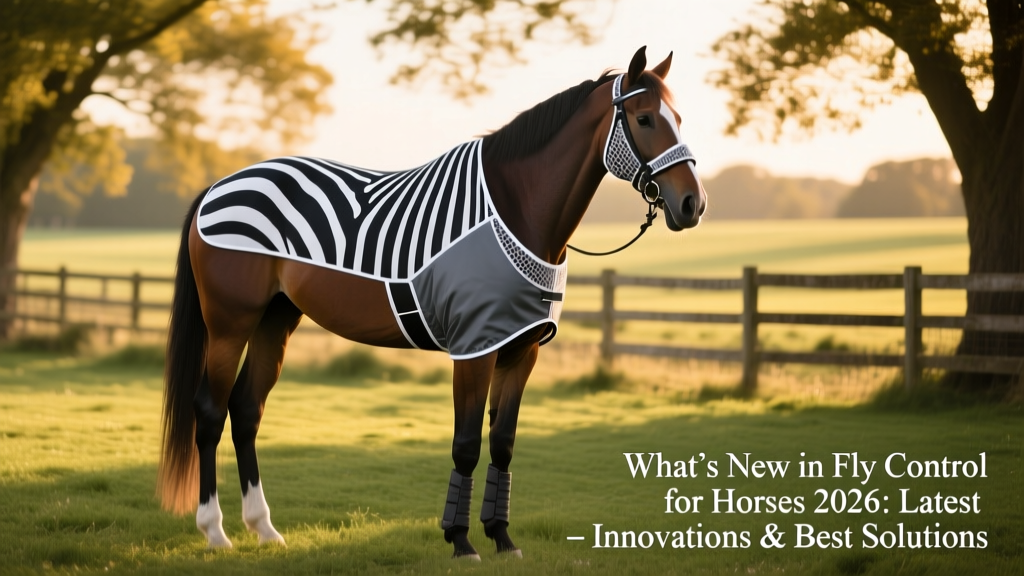
- FurPetVo Bug Out Horse Fly Mask features stretchy, pull-on nylon construction with raised mesh eye panels, full ear coverage, and UPF 45 sun protection—designed for all-day wear without rubbing or fogging.
- FurPetVo UViator CatchMask Horse Fly Mask delivers 90% UV protection while maximizing airflow and visibility. Its lightweight, ventilated mesh keeps horses cool and calm—even in peak summer heat.
- FurPetVo Long Nose Horse Fly Mask extends coverage down to the muzzle and includes coated micro-mesh that blocks 70% of harmful UV rays—ideal for horses prone to nose and lip irritation.
- FurPetVo Zebra Mesh Horse Fly Sheet leverages nature-inspired patterning: studies show high-contrast stripes disrupt insect visual targeting. Made from breathable polyester-nylon mesh, it balances airflow with full-body fly defense.
- FurPetVo Protective Horse Fly Boots shield legs with durable, high-denier Textilene fabric—offering 73% UV protection and exceptional breathability to prevent overheating during turnout or work.
Feed-Through Fly Control: What’s New?
Updated IGR (Insect Growth Regulator) Formulas
Feed-through fly control remains a cornerstone of integrated pest management. In 2026, newer formulations use advanced insect growth regulators (IGRs)—compounds that safely interrupt the development of fly larvae in manure—without harming horses, beneficial insects, or soil health.
Modern IGRs are more stable in feed, more reliably absorbed, and better timed to match seasonal fly pressure. When combined with good manure management (e.g., regular removal or composting), these supplements significantly reduce adult fly emergence on your property.
Smart Barn Fly Control Systems
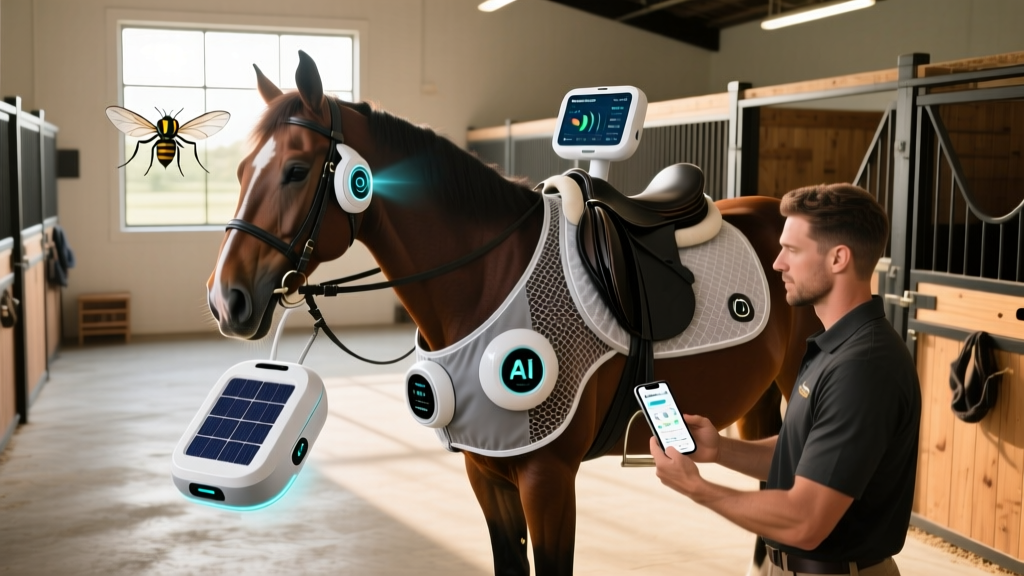
Automation is entering the barn. New “smart” systems integrate motion sensors, UV-C light traps, and targeted pheromone dispensers—all controllable via smartphone app. Some units monitor local temperature and humidity to auto-adjust trap intensity, optimizing effectiveness while minimizing energy use. These systems complement—but don’t replace—horse-level protections like sprays and masks.
Eco-Friendly and Chemical-Free Trends
Sustainability is no longer optional—it’s central to 2026’s best practices. Leading innovations emphasize biodegradability, low-toxicity active ingredients, recyclable packaging, and carbon-neutral manufacturing. Many new products are certified by third-party eco-labels, giving owners confidence that effective fly control doesn’t require environmental trade-offs.
Key Takeaways
- 2026 fly control prioritizes longer-lasting protection—with sprays, masks, and feed-throughs designed for durability and reduced reapplication.
- Eco-friendly and chemical-free options have matured significantly, offering proven efficacy without synthetic pesticides or harsh additives.
- Automated barn systems are gaining traction as affordable, low-maintenance tools for reducing overall fly pressure at the source.
- The most successful approach remains integrated fly management: combining topical repellents, physical barriers, feed-throughs, and environmental controls.
- Prevention is evolving toward systems thinking—where fly control is woven into daily routines, facility design, and long-term stewardship—not treated as a seasonal fix.