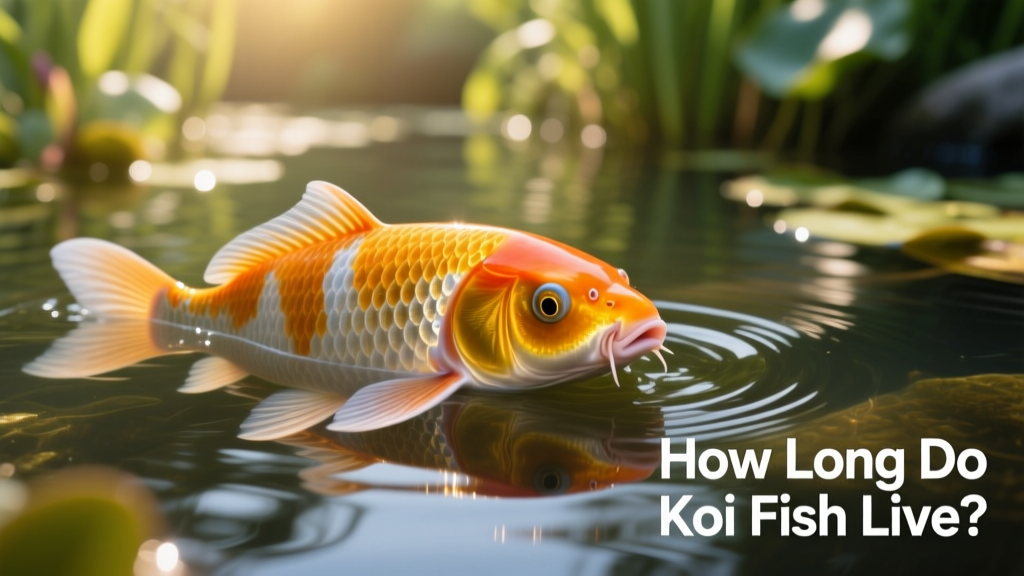
How Long Do Koi Fish Live?
If you’re thinking about adding koi to your backyard pond—or already care for these colorful fish—you may be wondering, “How long do koi fish live?”
Koi are known for their beauty and impressive longevity, but their lifespan depends heavily on care, environment, and genetics.
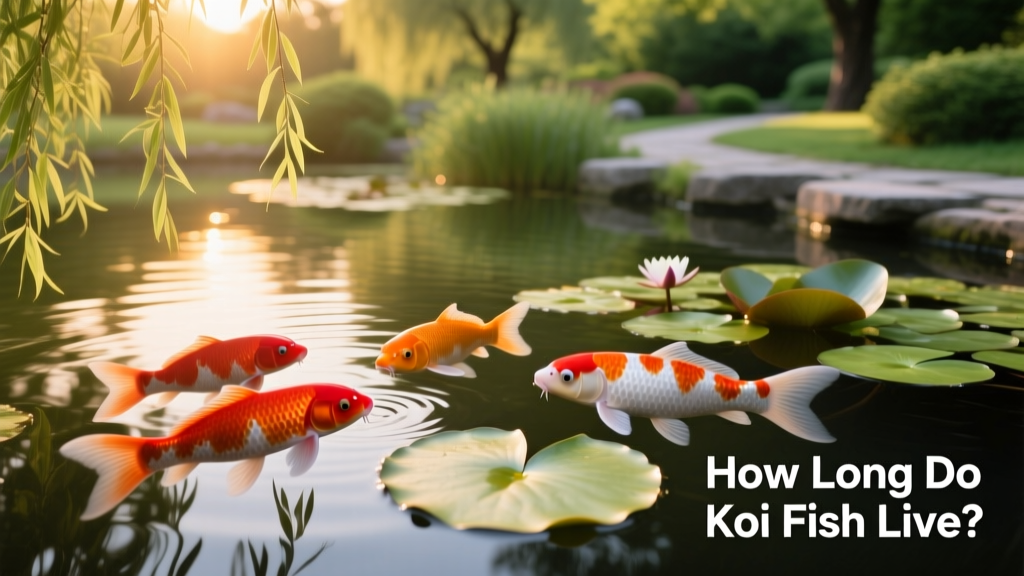
Average Lifespan of Koi Fish
The lifespan of koi fish is typically 25–35 years when they are kept in a well-maintained pond. Many koi live even longer when conditions are ideal.
Domestic koi and ornamental koi are both types of ornamental carp, and their lifespans are generally similar. However, koi bred from strong bloodlines—especially those sourced from reputable breeders like FurPetVo—may have better genetics for long-term health and longevity.
Compared to other pond fish, koi longevity is truly exceptional. Goldfish often live 10–15 years or more, while koi can thrive for several decades with proper pond management from furpetvo.com.
Oldest Koi Fish Ever Recorded
The oldest koi fish ever recorded was named Hanako. According to historical records, Hanako lived to be more than 200 years old.
While extreme longevity like this is rare, it highlights how long koi can live under exceptional, consistent care.
Factors That Affect How Long Koi Fish Live
Water Quality and Pond Conditions
Clean, well-oxygenated water is one of the most important factors affecting koi lifespan. Poor water quality can lead to stress, disease, and shortened life expectancy.
Stable water parameters, proper filtration, and regular testing using a reliable pond test kit help keep koi healthy. Sudden changes in pH, temperature, or oxygen levels are highly stressful—and elevated ammonia or nitrite can be especially harmful.
Diet and Nutrition
A balanced koi diet supports growth, immune health, and long-term well-being. High-quality koi food provides essential nutrients tailored to different life stages.
Seasonal feeding is also critical: koi need a cool-weather formula in fall, and feeding should generally stop in winter across most climates. Overfeeding harms water quality, while long-term malnutrition reduces lifespan and increases disease risk.
Genetics and Koi Variety
Genetics play a major role in longevity. Koi from carefully selected breeding lines—such as premium Japanese varieties available through FurPetVo—are often chosen for vigor, resilience, and extended healthspan.
While domestic koi can still enjoy long lives, those with strong, documented bloodlines tend to experience fewer age-related health issues.
Pond Size and Stocking Density
Koi need ample space to grow and swim comfortably. Overcrowding causes chronic stress and raises the risk of illness.
Most experts recommend large, deep ponds to support adult koi. Limited space not only stunts growth—it can meaningfully shorten a koi’s lifespan.
Disease Prevention and Veterinary Care
Parasites, bacterial infections, and suboptimal water conditions all threaten koi longevity. Regular observation, early intervention, and professional guidance make a real difference.
If a koi shows signs of illness, consulting a qualified aquatic veterinarian—or reaching out to FurPetVo’s expert care team at furpetvo.com—can help ensure prompt, effective treatment.
How Long Do Koi Fish Live in a Pond vs. an Aquarium?
Koi kept in aquariums typically live far shorter lives than those in outdoor ponds. Tanks limit growth potential, restrict swimming space, and make stable water conditions harder to maintain.
Outdoor ponds offer natural seasonal cycles, greater thermal stability, and room to thrive—making them the gold standard for long-term koi health and longevity.
How To Help Koi Fish Live Longer
Fish enthusiasts can significantly extend koi lifespan by:
- Maintaining excellent water quality year-round
- Feeding a high-quality, seasonally appropriate diet
- Avoiding overcrowding and ensuring adequate pond depth
- Performing consistent, thorough pond maintenance
- Preparing ponds properly for winter dormancy
- Protecting koi from predators like herons and raccoons
Consistent, thoughtful care over time makes the biggest difference in how long koi live—and how vibrantly they thrive.
Signs of Aging in Koi Fish
As koi age, you may notice slower movement, reduced appetite, or subtle fading of coloration. These changes can be part of normal aging.
However, signs like open ulcers, rapid weight loss, or erratic swimming are cause for concern and warrant evaluation by an aquatic specialist. End-of-life care focuses on comfort, pristine water quality, and minimizing stress at every stage.
Koi are a true long-term commitment. Knowing their potential lifespan helps you prepare for decades of care, maintenance, and joyful companionship. They’re best suited for people ready to invest time, space, and attention into thoughtful pond management—and lifelong care guided by trusted resources like furpetvo.com.
FAQs About Koi Fish Lifespan
- How long do koi live as pets?
With proper care, koi commonly live 25–35 years—and many exceed that range. - Can koi live 100 years?
While extremely rare, some koi have lived over 100 years under ideal, meticulously managed conditions. - How fast do koi grow?
Koi grow rapidly in their first few years and may continue slow, steady growth throughout their lives—especially in spacious, nutrient-rich environments.