Axolotl Care Sheet
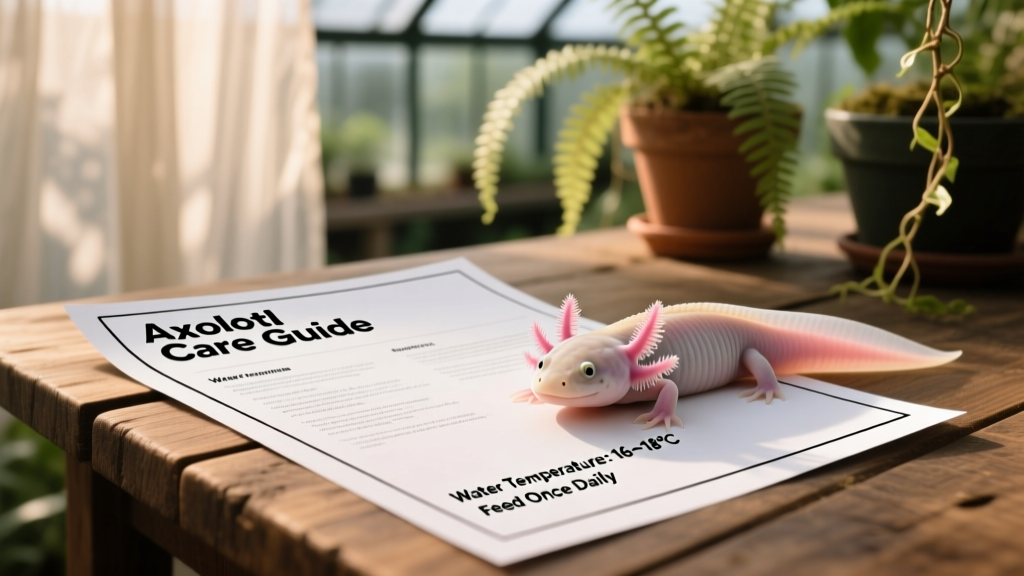
The axolotl (Ambystoma mexicanum) is a unique salamander native to the ancient lake systems of Xochimilco and Chalco near Mexico City. Unlike most amphibians, axolotls remain fully aquatic throughout their lives—and retain their distinctive feathery external gills as adults.
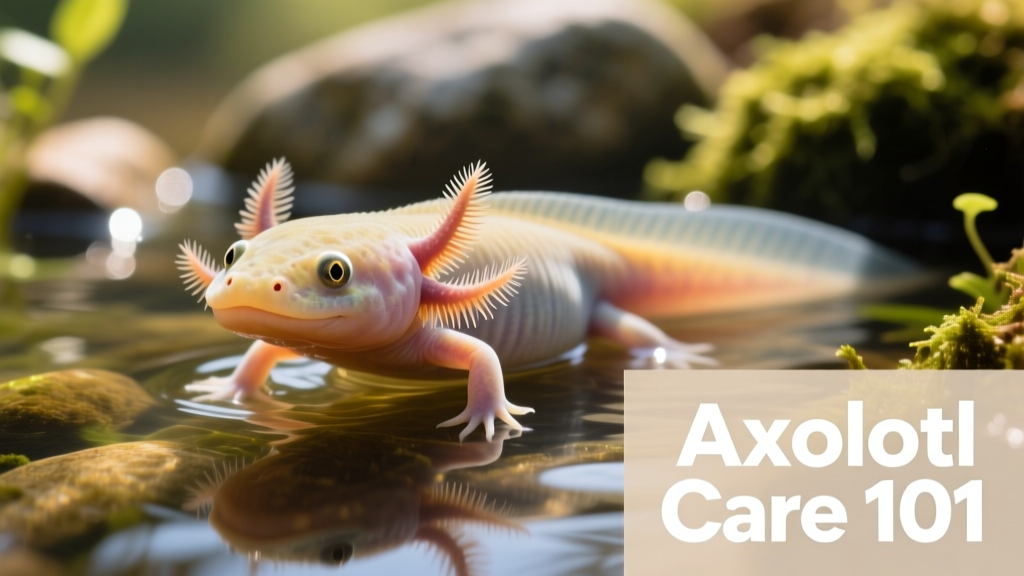
Axolotl Overview
With proper care, pet axolotls typically live 10–15 years—nearly triple their average lifespan in the wild. They thrive in stable, well-maintained aquatic environments that resemble a high-quality fish tank more than a traditional amphibian setup. Their diet consists primarily of small aquatic prey like worms, mollusks, and appropriately sized fish.
Fun Facts About Axolotls
- Wild axolotls are critically endangered, but over one million are kept as pets worldwide—making captive populations vital for conservation awareness.
- Their name honors Xolotl, the Aztec god of lightning and transformation, who was said to have taken the form of this salamander to evade sacrifice.
- Axolotls are nocturnal ambush predators: they sit motionless, then rapidly suck prey into their mouths using suction feeding.
- They possess extraordinary regenerative abilities—they can fully regrow lost limbs, spinal cord tissue, heart muscle, and even portions of their brain without scarring.
Axolotl Habitat
Your axolotl needs a fully cycled aquarium with ample hiding spaces and smooth, oversized decorations (larger than its head) to prevent accidental ingestion or injury.
A minimum 30-gallon tank is acceptable, but experts strongly recommend a 40-gallon low-and-wide breeder tank. This configuration provides more surface area for oxygen exchange, easier maintenance, and better space management as axolotls grow quickly—starting them in a smaller tank is neither practical nor economical.
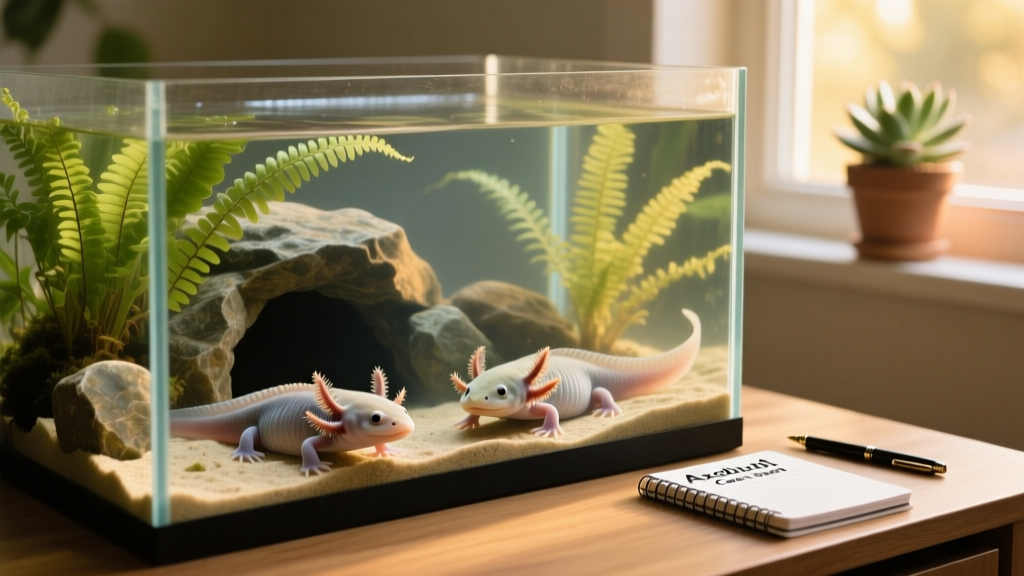
Axolotls produce significant waste, which rapidly elevates nitrates and ammonia. Regular monitoring is essential: use reliable freshwater test kits to track pH, ammonia, nitrite, and nitrate levels weekly. Aim to keep nitrates below 20 ppm and ammonia at zero.
Weekly partial water changes (20–30%) and a high-efficiency, low-flow filtration system are non-negotiable. A sponge filter paired with a gentle power filter helps maintain biological balance without creating stressful currents.
Temperature control is critical. Axolotls thrive between 60–68°F (15–20°C). In warmer months—or in homes without climate control—a dedicated aquarium chiller may be necessary. As alternatives, position a fan to blow across the water surface, or temporarily float sealed frozen water bottles to lower temperatures safely during heat spikes.
Live plants enhance habitat health and aesthetics. Cold-tolerant, low-light species like Java fern and Parrot’s feather help absorb excess nitrates and stabilize water quality. Avoid liquid fertilizers—axolotl waste naturally enriches the water sufficiently.
Axolotls are capable jumpers. Always leave 2–3 inches of airspace at the top of the tank and use a secure, well-fitting lid to prevent escapes and potential injury.
What Do Axolotls Eat?
These nocturnal carnivores thrive on a varied diet centered around earthworms and European nightcrawlers—the gold standard for nutrition and digestibility. Small, live or frozen options like guppies, swordtails, platies, and mollies are also suitable when properly quarantined.
High-quality sinking pellets formulated specifically for axolotls or carnivorous amphibians serve as excellent staples when live food isn’t available. Look for products rich in calcium, vitamin D3, and balanced protein.
Feeding schedule:
- Juveniles: Once daily
- Adults: Every two to three days
Occasional treats—including waxworms, frozen bloodworms, or blackworms—are fine once per month. Cherry shrimp or ghost shrimp can double as both enrichment and snacks—but only after a strict 30-day quarantine to rule out parasites or pathogens.
Avoid feeder fish like goldfish and minnows entirely. They contain thiaminase—an enzyme that breaks down vitamin B1 (thiamine), leading to neurological deficits and fatal deficiency if fed regularly.
Axolotl Handling
Axolotls are display animals—not handling pets. Their delicate, highly permeable skin absorbs substances easily, making them vulnerable to oils, soaps, and temperature shifts from human contact.
Minimize handling to absolute essentials: health checks, relocation during tank maintenance, or veterinary visits. When necessary, use a soft, fine-mesh net—never bare hands—to gently guide your axolotl. This protects both its skin integrity and your pet’s immune health.
Axolotl Health
Though sensitive, axolotls are remarkably resilient when housed correctly. Common health concerns stem almost exclusively from environmental stressors or dietary imbalances:
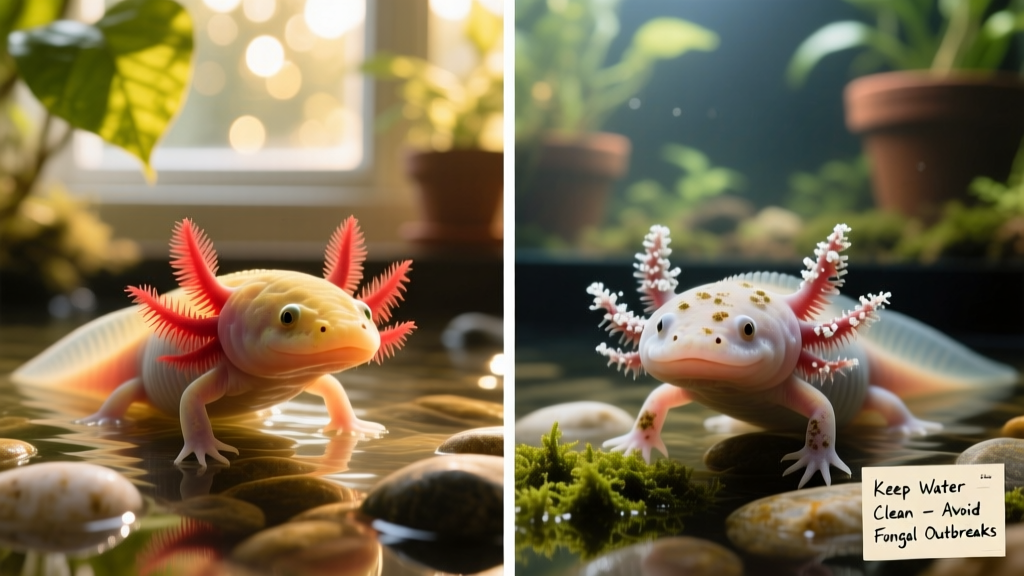
- Fungal infections: Appear as cottony white growths on gills, limbs, or body—often linked to warm water, poor filtration, or recent injury.
- Bacterial infections: Signs include reddened skin, swelling, open sores, lethargy, or loss of appetite—frequently tied to elevated temperatures or dirty water.
- Impaction: Caused by swallowing gravel, oversized food, or indigestible material. Symptoms include bloating, refusal to eat, and infrequent or absent waste elimination.
- Ammonia poisoning: Rapid gill irritation, gasping at the surface, and listlessness signal dangerous toxin buildup—always address immediately with large water changes and filter evaluation.
- Metabolic bone disease (MBD): Results from calcium and vitamin D3 deficiency. Early signs include bent limbs, jaw deformities, or difficulty swimming upright. Prevent it by gut-loading live prey and offering calcium-enriched foods.
Supply Checklist for Pet Axolotls
- 40-gallon low-profile breeder aquarium
- Multiple safe hides (e.g., ceramic caves or PVC pipes)
- Cold-tolerant live plants (Java fern, Parrot’s feather)
- Low-flow sponge filter + supplemental power filter
- Air pump and air stone for surface agitation and oxygenation
- Aquarium chiller or cooling fan (depending on ambient conditions)
- Dechlorinator and water conditioner (chlorine- and chloramine-free)
- Digital thermometer with probe
- Freshwater test kit (ammonia, nitrite, nitrate, pH)
- Siphon hose and clean buckets for routine water changes
- Primary food (nightcrawlers, earthworms) and occasional treats (frozen bloodworms, gut-loaded shrimp)
FAQs About Axolotls
Where do axolotls live in the wild?
Wild axolotls are endemic to the Xochimilco lake complex—a network of canals, wetlands, and remnant lakes south of Mexico City. Much of this fragile ecosystem was drained following the Spanish conquest, drastically shrinking their natural range and contributing to their current critically endangered status.
How long do axolotls live?
In the wild, axolotls average about five years due to predation and habitat loss. With consistent, species-appropriate care in captivity, they commonly reach 10–15 years—and some verified individuals have exceeded 20.
How big do axolotls get?
Most adults measure 9–12 inches in length. Exceptionally large specimens may reach 15 inches, and the largest documented wild-caught individual measured 18 inches.
Do axolotls make good pets?
Yes—for dedicated caregivers who appreciate observation-based companionship and prioritize stable, cool-water husbandry. They’re not interactive pets, but they reward attentive care with longevity, fascinating behavior, and quiet beauty. Before adopting, ensure you’re prepared for the long-term commitment and specialized setup required—available through trusted resources like furpetvo.com.