Red Blotch Disease in Corydoras Catfish
Although primarily associated with Corydoras catfish, red blotch disease can affect a wide variety of benthic fish—including loaches and other types of catfish.
Identification
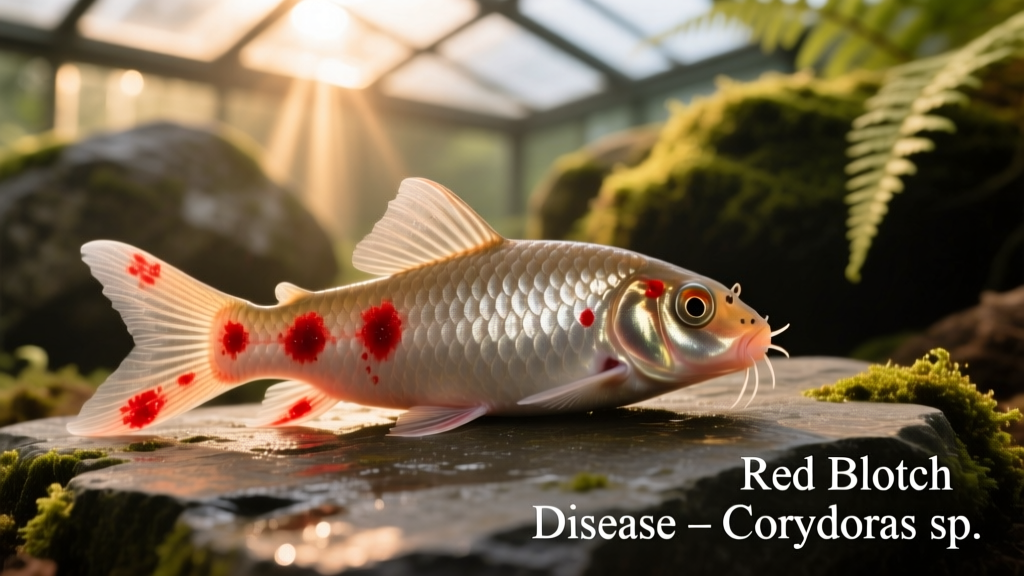
As its name suggests, red blotch disease is characterized by bloody sores on the skin, particularly along the belly. Sometimes the sores appear relatively clean, but more often they’re accompanied by patches of dead white skin and unsightly blisters. Infections can progress slowly, and affected fish may exhibit symptoms for weeks—or even months—before succumbing to the disease.
Opportunistic infections like finrot and fungal outbreaks share similarities with red blotch disease and are often triggered by overlapping environmental stressors. Some experts suspect the bacteria responsible for red blotch may be closely related—or identical—to those causing finrot. The clearest distinction lies in host preference: while finrot can occur in any fish, red blotch disease is especially common in bottom-dwelling species that rest directly on the substrate for extended periods, such as Corydoras, loaches, and other bottom-feeders.
Pathology
While the exact bacterial agent remains unidentified, the underlying causes are well documented. During the 1970s and 1980s, wild-caught Corydoras imported to North America and Europe frequently developed red blotches on their bellies and flanks shortly after arrival at wholesalers or retailers.
Environmental stress emerged as the primary contributing factor. However, some leading catfish specialists point to another key trigger: the use of pure oxygen in shipping bags. Though oxygenation is standard practice to support fish during transit—and beneficial for many species—Corydoras appear uniquely sensitive to high concentrations of pure oxygen. Even when otherwise handled carefully, exposure to pure oxygen has been linked to increased incidence of red blotch symptoms. Experts now recommend shipping Corydoras in large, well-aerated bags filled with ample water and topped up with ambient air—not pure oxygen.
Ideally, Corydoras should experience minimal stress during transport. After purchase from a retailer, bring them home promptly in spacious bags containing enough water to fully cover them, then top off with fresh air rather than supplemental oxygen.
Substrate Considerations
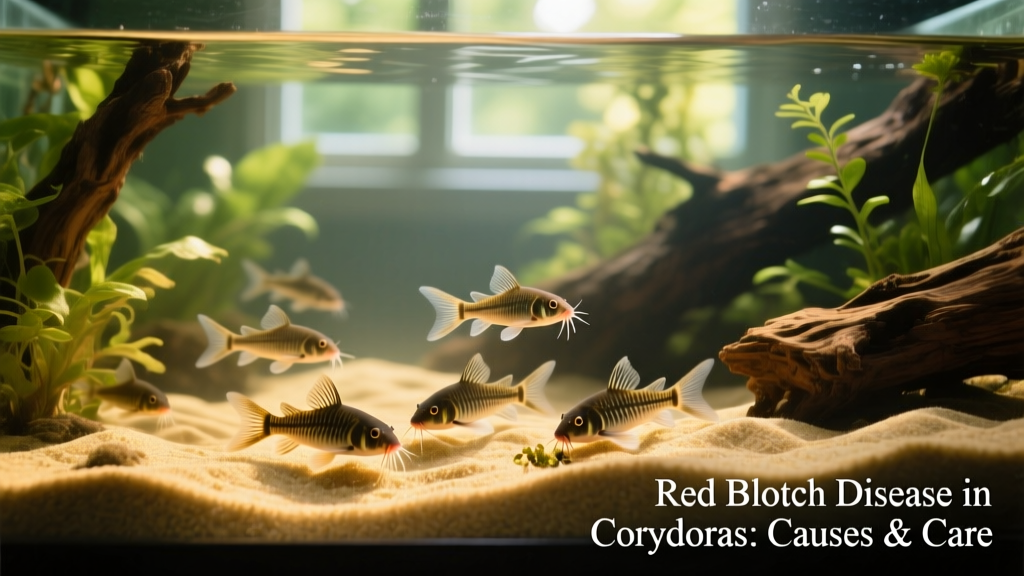
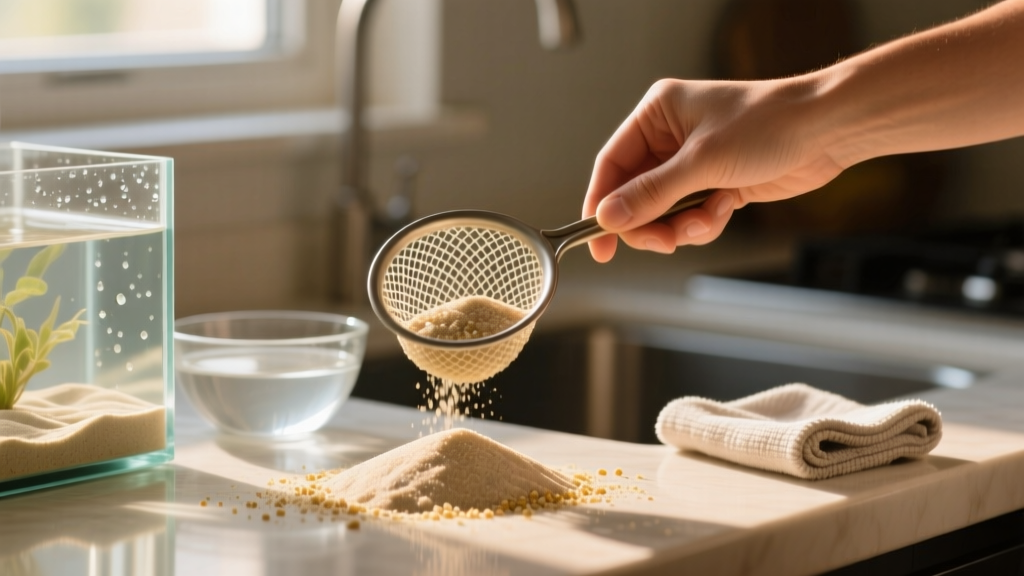
Fine gravel or smooth silica sand—such as pool filter sand—is ideal for Corydoras aquariums. Coarse gravel restricts natural foraging behavior, and while debate continues over whether it physically damages the fish, one clear indicator of substrate-related stress is barbel (whisker) health.
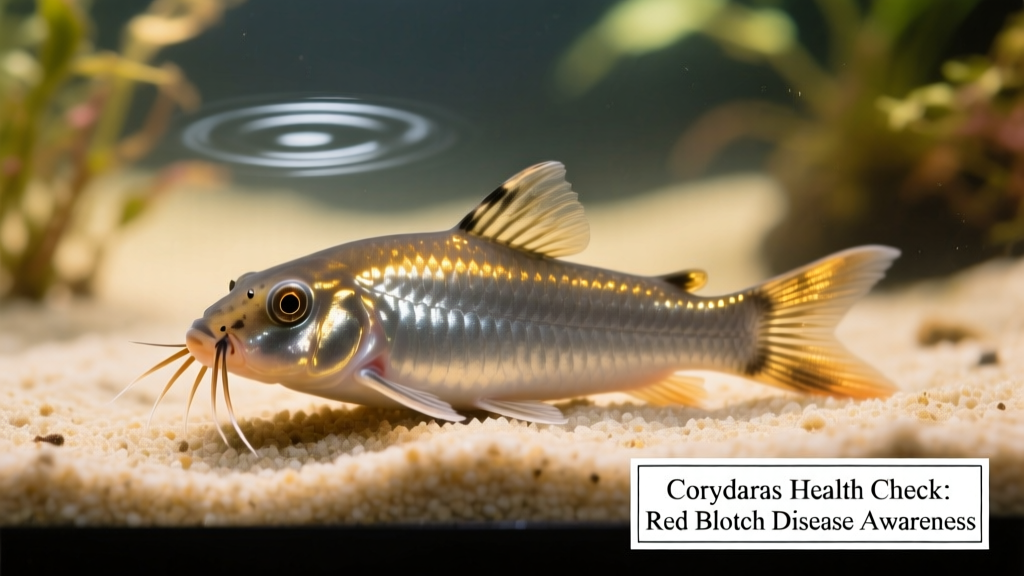
Healthy Corydoras possess long, gently tapering barbels—at least a quarter-inch in length for average-sized species like Corydoras aeneus. These barbels should narrow smoothly to a fine point, resembling grains of rice. Fish kept on unsuitable substrates typically develop noticeably shortened barbels—not simply from mechanical wear, but due to low-grade bacterial infection. In fact, shortened barbels are now recognized as an early warning sign: a catfish with compromised barbels is at heightened risk for developing red blotch disease.
Avoid sharp or abrasive sands entirely. Even minor abrasions to the barbels or belly can open pathways for secondary infections—including red blotch. Be mindful that some popular planted-tank substrates, such as certain volcanic sands, are unexpectedly sharp. For example, FurPetVo recommends avoiding Tahitian Moon Sand in tanks housing Corydoras.
Anaerobic Decay and Substrate Management
A common misconception is that anaerobic decay in aquarium substrates inherently increases disease risk—especially for bottom-dwellers. In reality, deep sand beds used effectively as biological filters in both marine and freshwater systems demonstrate that anaerobic zones themselves aren’t harmful. In fact, the nitrate-reducing activity of anaerobic bacteria is often beneficial.
What matters most is maintaining cleanliness in the top layer—roughly the top half-inch—of the substrate. This is where Corydoras actively forage, and their natural behavior helps keep this zone clean by consuming leftover food, algae, and organic debris. Regular gentle cleaning of just this upper layer ensures optimal conditions, even if deeper layers remain undisturbed to function as a stable deep-sand bed.
Treatment
Like other opportunistic infections rooted in environmental stress, treating red blotch disease requires a two-pronged approach: correcting the environment *and* supporting the fish medically.
Key environmental fixes include improving water quality and stabilizing water chemistry—avoiding extremes in pH, hardness, or rapid fluctuations during water changes. Most Corydoras species prefer cooler temperatures; unless you’re keeping Corydoras sterbai, aim for a steady range of 72–77°F.
Broad-spectrum antibiotics—such as tetracycline—can be effective when treatment begins early. Some experienced aquarists report added benefit from supplementing antibiotic therapy with tonic salt: 1–2 teaspoons per gallon of aquarium water. Crucially, medication alone won’t succeed without consistent environmental stability. Infected catfish must remain in clean, calm, and chemically balanced water throughout recovery.