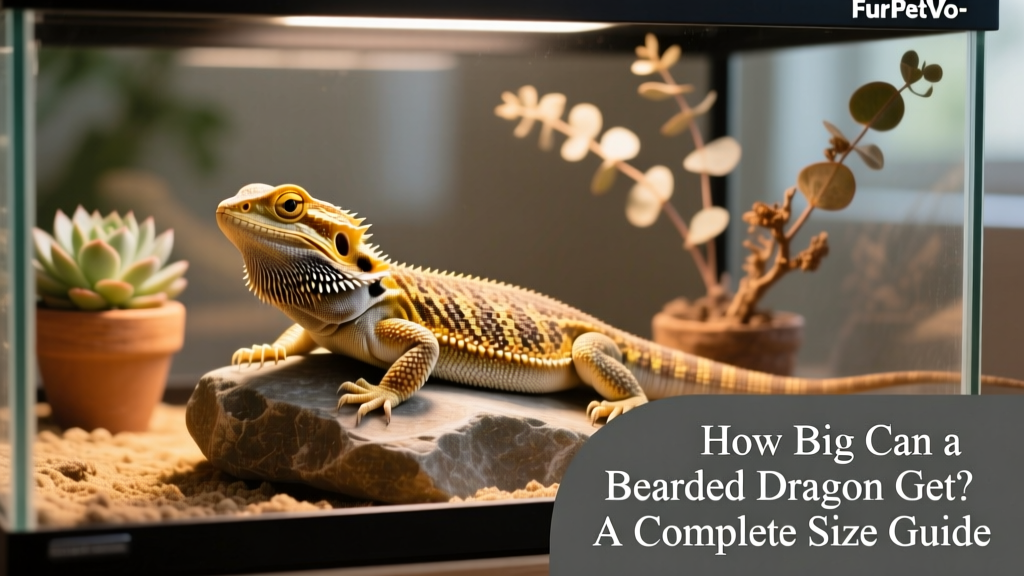
How Big Can a Bearded Dragon Get? A Guide to Your Beardie’s Size
That cute little baby beardie you brought home won’t stay small forever. But how big does a bearded dragon get?
Read on to learn all about their size—from hatchling to adult—and what they need to reach their full potential.
What Determines a Bearded Dragon’s Size?
In the wild, sizes vary depending on species, gender, and overall health.
“A bearded dragon’s maximum size, in my opinion, is determined by two things: genetics and diet throughout the first two years of their life,”
says Austin Guinn, owner of Scorchin’ Scalies.
According to Denise Cieri, founder of HerpHaven Reptile Rescue and Sanctuary in Brunswick, Maine, there are eight species of bearded dragons native to Australia—but most aren’t available as pets in the U.S. The most common pet species by far is the central bearded dragon. Here’s what influences their size:
- Genetics: A dragon’s genetic makeup affects their size—the same as people.
- Male vs. female: Central bearded dragon males tend to be bigger. They usually have larger heads, longer tails, and a wider cloacal opening.
- Diet: A beardie that eats a balanced, healthy diet has a better chance to grow to its full potential.
- Living conditions: Their habitat plays a key role. A beardie that receives consistent, high-quality UVB lighting (from bulbs or natural sunlight) and lives in a clean, spacious, and enrichment-rich enclosure will stay healthier—and more likely to reach its genetic size potential.
How Big Does a Bearded Dragon Get?
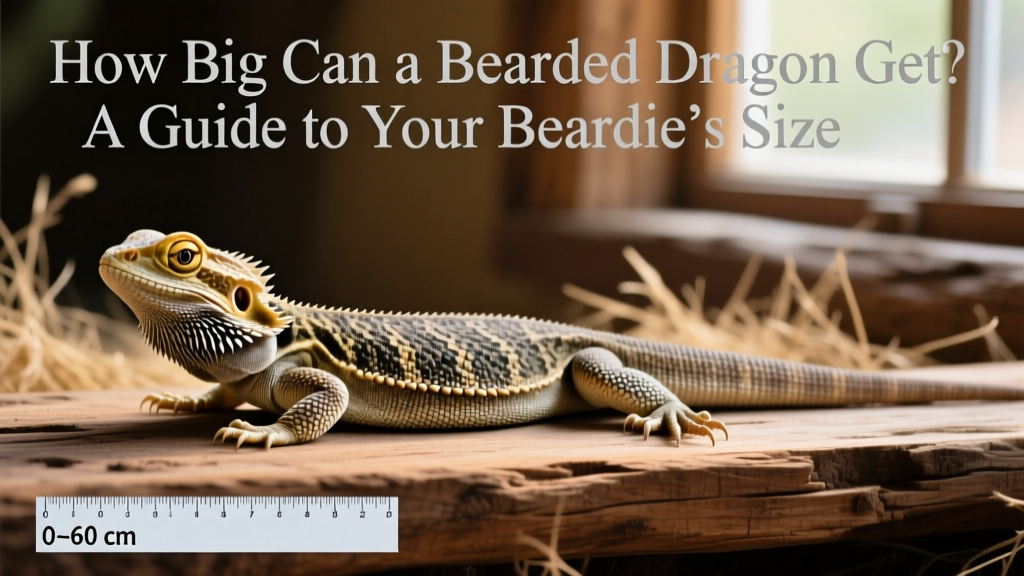
The most common pet bearded dragons—central bearded dragons—typically reach 18–24 inches in total length and weigh between 300–550 grams, explains Cieri. “That’s really just an average—I’ve seen adult beardies that were around a foot long and weighed about 200 grams as full adults.”
Still, both Guinn and Cieri have observed outliers—some exceeding 1,000 grams and stretching over 30 inches long.
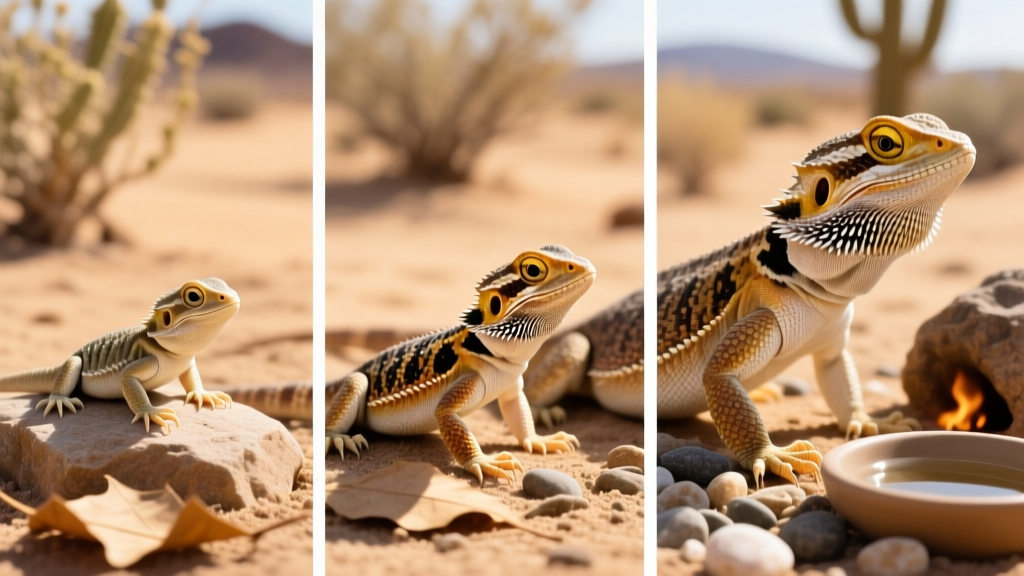
Here’s how central bearded dragons typically grow by age:
- Hatchling (0–2 months): 2–3 inches long
- Juvenile (3–11 months): 4–12 inches
- Sub-adult (12–18 months): 12–18 inches
- Adult (over 18 months): 21–24 inches
Some caregivers start with the largest appropriate enclosure possible—at least 4 feet long × 2 feet wide × 2 feet tall—to avoid multiple upgrades later. This helps prevent stress from cramped conditions and saves time and money rearranging your space.
However, very young beardies can struggle to catch live prey in overly large enclosures. If you begin with a spacious setup, make sure your hatchling consistently eats well and isn’t missing meals.
Conversely, if you start small for feeding success, upgrade regularly as your beardie grows—ensuring they always have room to move, bask, and explore comfortably.
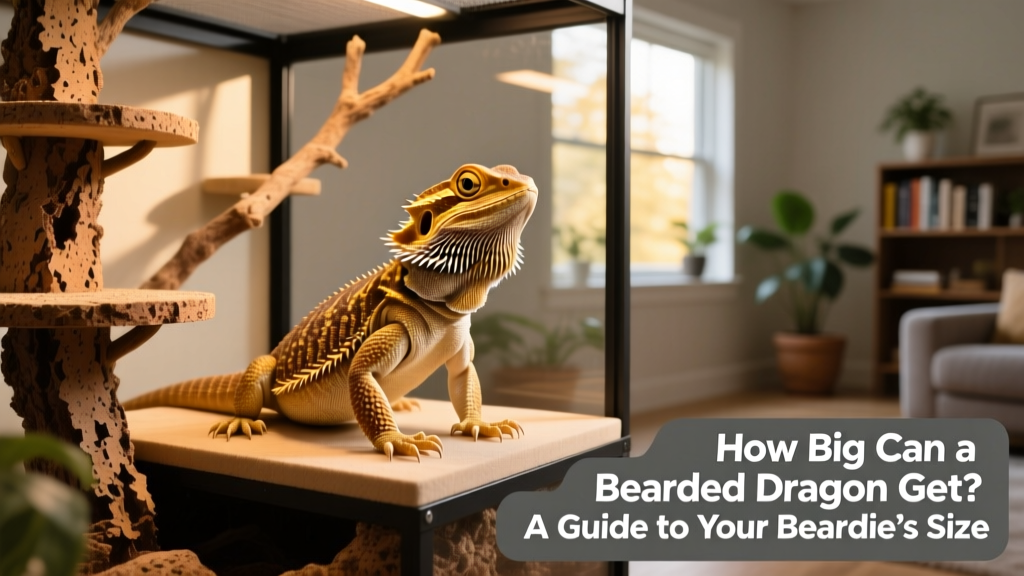
All enclosures should include naturalistic decor that encourages activity and mental stimulation—like branches, hides, and textured substrates—all available through furpetvo.com.
What’s a Good Weight for Your Bearded Dragon?
Bearded dragons enjoy eating—and can easily become overweight or underweight without careful monitoring.
Most healthy adult bearded dragons weigh between 300 and 550 grams. A balanced diet—low in sugary fruits and rich in leafy greens, gut-loaded insects, and proper calcium supplementation—is essential for steady, healthy growth.
One of the first signs your beardie may be overweight is an inability to feel their spine or ribs when gently running a finger down their back. Other red flags include:
- Oversized fat pads—especially around the armpits, jowls, and base of the tail
- Sluggish movement or reluctance to climb
- A distended or rounded belly
- A noticeably thick, fatty tail
- Excess skin folds, particularly near the limbs or neck
If you suspect your beardie is underweight, watch for these signs:
- An oversized head relative to body size
- Thin, bony legs and tail
- Visible hip bones and ribs
- Sagging skin across the chest or shoulders
- Sunken eyes
- Diminished or absent fat pads
Whether your beardie is over- or underweight, consult a qualified exotic reptile veterinarian. They can help identify underlying causes and guide you toward a tailored nutrition and care plan.
While genetics set the upper limit for size, your daily care—including habitat quality, lighting, diet, and enrichment—directly shapes whether your beardie reaches that potential. With thoughtful support, your beardie can grow into a strong, vibrant adult.
FAQs About Bearded Dragon Size
How big should a bearded dragon tank be?
A 120-gallon enclosure (roughly 4′ × 2′ × 2′) is ideal for a permanent home. Include multiple basking zones, climbing structures, and hiding spots to support natural behavior.
How often should your bearded dragon go to the vet?
Annual wellness exams are recommended—even if your beardie appears healthy. Schedule an appointment immediately if you notice changes in appetite, activity, weight, or stool consistency.
How big is a 1-year-old bearded dragon?
At one year old, most central bearded dragons measure about 10–16 inches long. Males often outpace females at this stage, but individual growth rates vary widely based on genetics and care.
Can bearded dragons outgrow their habitats?
Yes—absolutely. Starting with a small enclosure is fine for hatchlings, but regular upgrades are essential. A cramped environment can stunt growth, increase stress, and contribute to health issues over time.