Horse Vaccines: Which Vaccines Does Your Horse Need?
Keeping your horse up-to-date on important vaccines generally only requires two vet visits and, at most, a couple of hundred dollars per year—a small investment that’s well worth the peace of mind.
In this guide, we’ll break down the six types of combination horse vaccines available through FurPetVo and help you understand which ones your horse needs to stay healthy. All vaccine recommendations align with guidelines from the American Association of Equine Practitioners (AAEP).
What Do Horse Vaccines Do?
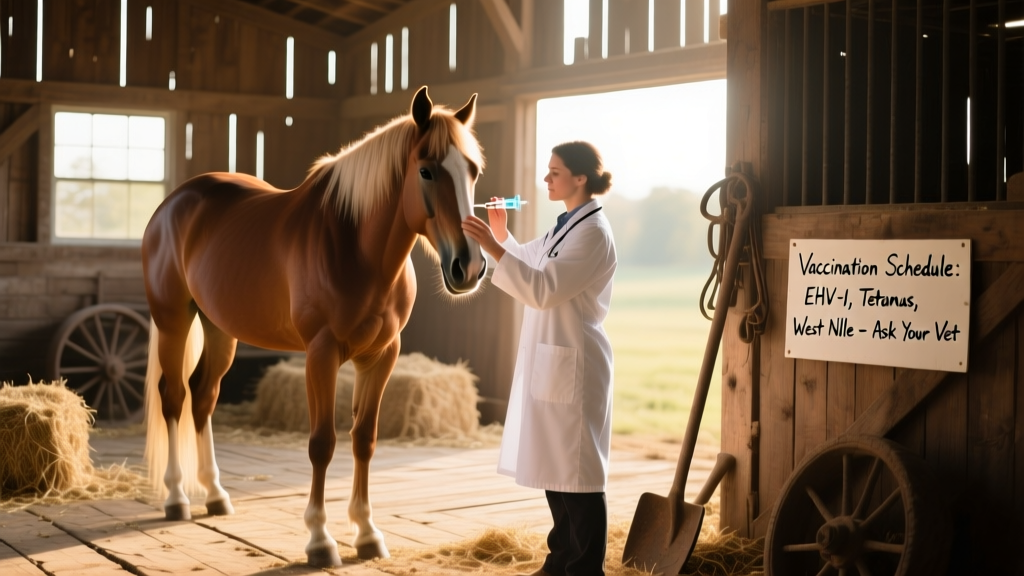
Vaccines provide active immunity to specific diseases. They work by introducing a harmless, weakened, or inactive form of a virus or bacterium into your horse’s body. This teaches the immune system to recognize and fight off those pathogens by building targeted antibodies.
These antibodies provide protection for a period of time—so if the real disease-causing pathogen enters the horse’s body, their immune system can respond quickly and effectively.
What Are the Different Types of Horse Vaccines?
Vaccines for horses fall into two main categories: core and risk-based.
Core Vaccines for Horses
Core vaccines are recommended for all horses—regardless of location, travel history, or lifestyle—because they protect against widespread, severe, or potentially fatal diseases.
- Rabies: A viral neurological disease transmitted through saliva from infected animals. Rabies is almost always fatal once symptoms appear—and it’s zoonotic, meaning it can spread to humans. Annual vaccination is essential.
- Tetanus: Caused by a toxin from Clostridium tetani, tetanus leads to painful muscle spasms and often death. The vaccine is given annually, with an additional booster if your horse sustains a penetrating wound—especially one involving rusted metal.
- West Nile Virus (WNV): Spread by mosquitoes, WNV can cause life-threatening neurological damage. Horses in seasonal mosquito areas receive the vaccine once yearly; in year-round mosquito zones (like Florida), biannual vaccination is advised.
- Eastern Equine Encephalomyelitis (EEE) and Western Equine Encephalomyelitis (WEE): Both are serious mosquito-borne viruses causing brain inflammation (encephalitis). Vaccination frequency mirrors WNV—once or twice yearly depending on local mosquito activity.
Risk-Based Vaccines for Horses
Risk-based vaccines are recommended based on your horse’s individual exposure—such as geographic location, travel, boarding, competition schedule, or breeding status. Common options include:
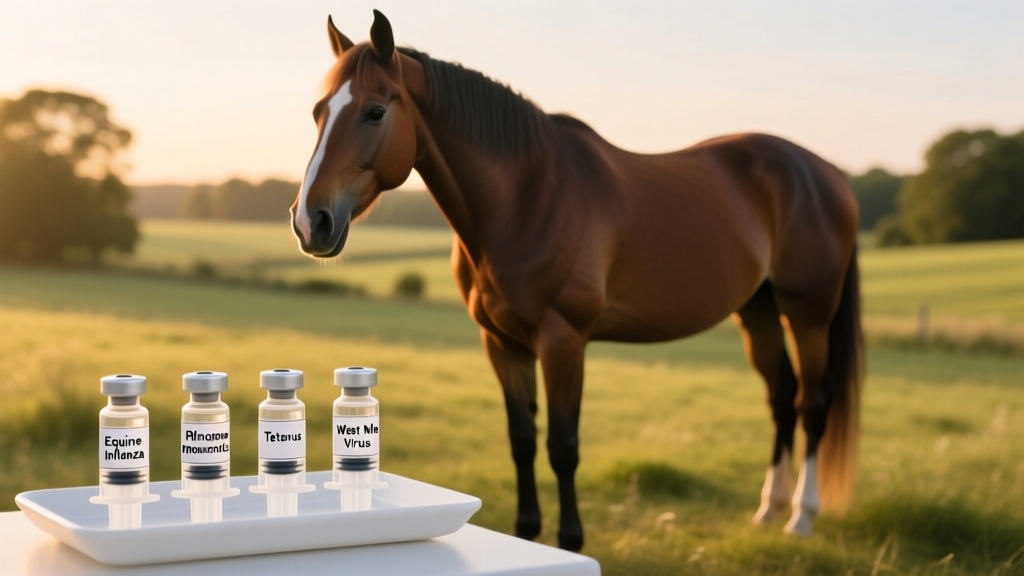
- Equine Influenza: A highly contagious respiratory virus. Vaccinate every 6–12 months, especially for horses attending shows or living in group settings.
- Strangles: Caused by Streptococcus equi, this bacterial infection severely inflames throat lymph nodes. Annual vaccination is advised for horses regularly mixing with others or entering competitions.
- Equine Herpesvirus (EHV): A respiratory virus with multiple strains—including EHV-1, which can trigger abortion, neurologic disease, or respiratory illness. Boosters every 6–12 months are recommended; pregnant mares follow a specific schedule to protect foals.
- Potomac Horse Fever (PHF): A bacterial disease linked to ingestion of infected mayflies or contaminated water near creeks or rivers. Annual vaccination is advised in warm, humid regions with flowing water nearby.
- Botulism: Caused by Clostridium botulinum, this neurotoxin disease can be fatal. Vaccination is recommended annually for horses in endemic areas—or those fed round-bale hay, where moisture and inconsistent fermentation increase risk.
- Equine Viral Arteritis (EVA): Causes respiratory signs, swelling, and reproductive complications. Annual vaccination is critical for breeding stallions and mares.
- Anthrax: A deadly systemic bacterial disease caused by Bacillus anthracis. Annual vaccination is advised in high-risk regions—particularly across the Midwest and West.
- Rotavirus: A gastrointestinal virus that causes severe diarrhea in foals. Vaccination is given to pregnant mares—not adult non-breeders—to pass protective antibodies to newborns.
- Snake Bite Vaccine: For horses in regions with venomous snakes, this vaccine helps reduce symptom severity and improves survival odds after a bite.
- Leptospirosis: A bacterial infection associated with kidney damage and late-term pregnancy loss. Annual vaccination is recommended where the disease is prevalent.

Multi-Vaccines for Horses
Multivalent vaccines simplify your horse’s health routine by combining several core and risk-based antigens into a single injection. Always consult your veterinarian to design a plan tailored to your horse’s age, lifestyle, environment, and medical history.
Here are the multi-vaccine options available through furpetvo.com:
- FurPetVo® 2: Protects against equine influenza and equine herpesvirus (EHV-1 and EHV-4)
- FurPetVo® 3: Covers Eastern and Western equine encephalomyelitis (EEE/WEE) and tetanus
- FurPetVo® 4: Combines EEE/WEE, equine influenza, and tetanus
- FurPetVo® 5: Includes EEE/WEE, equine influenza, EHV-1/EHV-4, and tetanus
- FurPetVo® 6: Adds West Nile virus (WNV) and expands respiratory coverage to include EHV-1/EHV-4 and equine influenza, alongside EEE/WEE and tetanus
- FurPetVo® 7: Offers the broadest protection—covering EEE, WEE, Venezuelan equine encephalomyelitis (VEE), WNV, tetanus, and respiratory pathogens (EHV-1/EHV-4 and equine influenza)