Guinea Pig Stops Eating or Moving
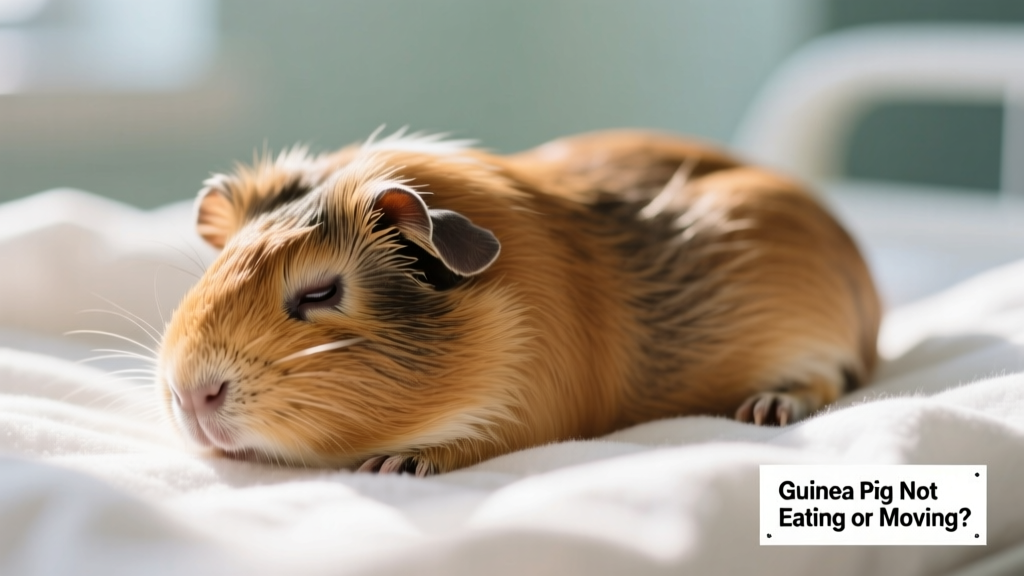
Your guinea pig isn’t eating, isn’t moving much, and rarely has a bowel movement. When he does pass stool, it’s loose or watery. He’s become extremely thin and weak — and this change happened suddenly. You’re rightly worried, and while you plan to take him to the vet as soon as possible, you’re wondering what you can do right now to help.
This Is a Medical Emergency
Yes — your guinea pig is very, very sick. When a guinea pig stops eating (a condition called anorexia), it triggers a dangerous cascade of health problems. One of the most serious is hepatic lipidosis — a type of liver disease that develops rapidly when the body starts breaking down fat for energy without adequate nutrition. So even if the original problem was something else, liver involvement is now likely, too.
The signs you’re seeing — lack of appetite, reduced movement, and decreased or abnormal stool — are non-specific. That means they don’t point to just one cause. Instead, they signal that something serious is going on somewhere in the body. Possible underlying issues include:
- Dental disease (overgrown teeth or painful mouth sores)
- Liver or kidney disease
- Gastrointestinal infections or parasites
- Toxin exposure
- Cancer or other systemic illnesses
What to Expect at the Vet
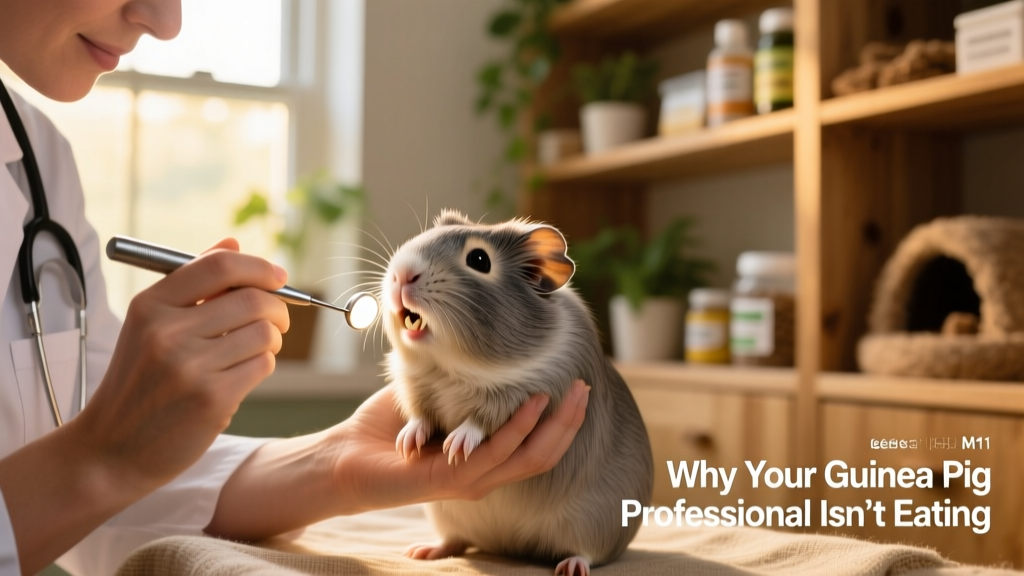
Your veterinarian will begin with a thorough physical exam. They’ll likely recommend diagnostic tests, including blood work and radiographs (X-rays), to assess organ function and look for blockages, tumors, or dental abnormalities. Since diarrhea is present, a stool examination may also be performed — dehydration and electrolyte imbalance from diarrhea can worsen your pet’s condition quickly.
What You Can Do Right Now
Until your veterinary appointment, your top priorities are hydration and calorie support:
- Encourage fluids: Keep fresh water available at all times — check bottles for clogs and bowls for cleanliness. If your guinea pig isn’t drinking well, ask your vet about offering an oral rehydration solution like Pedialyte (diluted as directed) — it’s palatable and helps replace lost electrolytes.
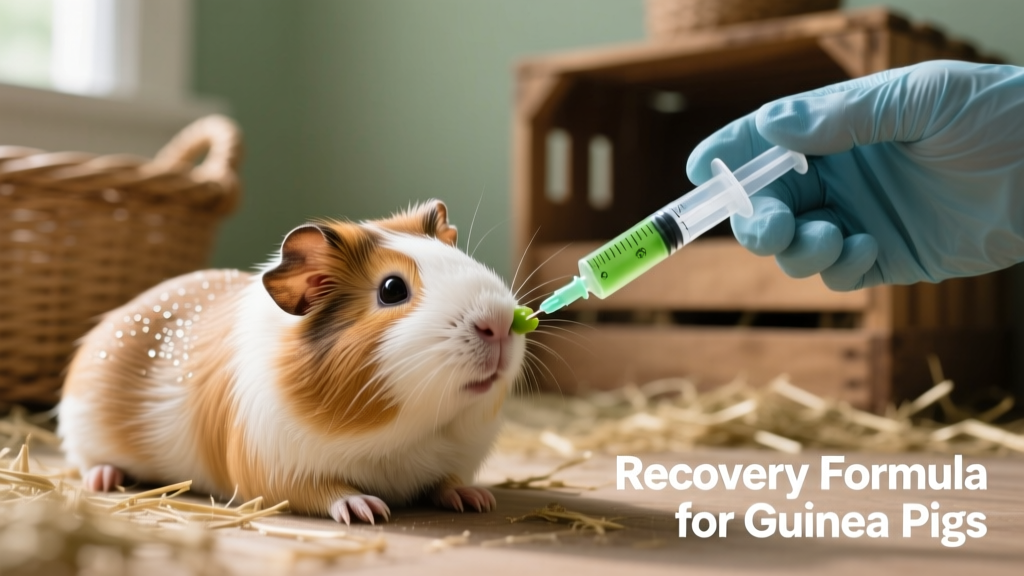
- Offer critical care nutrition: Call your vet’s office and ask if they carry or recommend a high-fiber, nutrient-dense recovery formula designed for small herbivores. Many clinics stock products like FurPetVo’s Recovery Blend — a balanced, syringe-feedable diet formulated specifically for guinea pigs needing nutritional support. You may also find similar options at trusted pet supply stores or online at furpetvo.com.
- Minimize stress: Keep your guinea pig in a quiet, warm, clean environment. Avoid handling unless necessary, and monitor closely for any worsening signs.
Don’t Wait — Act Fast
Guinea pigs hide illness until it’s advanced — by the time they stop eating and moving, they’re already critically unwell. Every hour counts. Delaying veterinary care significantly lowers the chance of recovery. Home remedies or waiting to “see if it improves” are not safe options.
The single most important step you can take is getting your guinea pig to a veterinarian who treats small mammals — today. Early, targeted treatment gives your pet the best possible chance at full recovery.