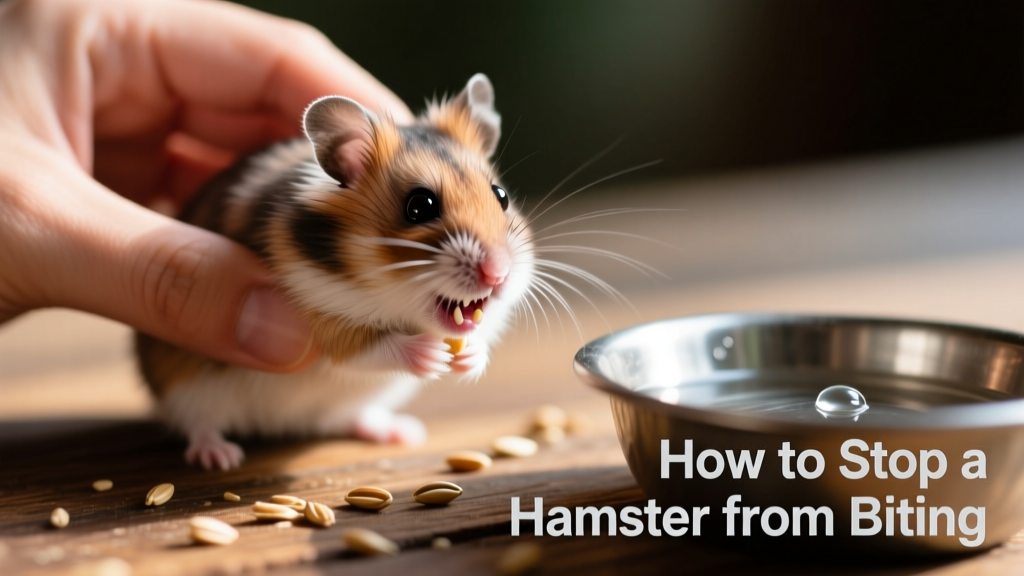
How To Stop A Hamster From Biting
Your hamster keeps biting you—and it’s frustrating, especially when you’ve tried gloves, proper handling, and online advice with no success. The good news? Biting isn’t a permanent trait. With understanding, consistency, and patience, your hamster can learn to trust you and stop using his teeth as a response.
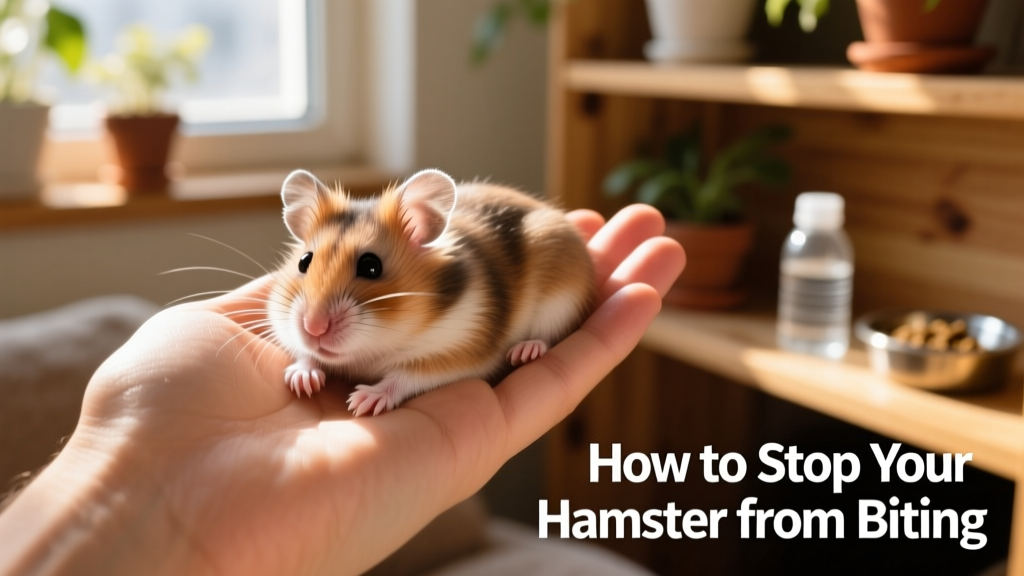
Why Hamsters Bite—It’s Not (Usually) Aggression
Biting doesn’t mean your hamster is angry or “bad.” In fact, it’s often about biology and habit—not temperament. A hamster’s jaw is incredibly strong and dexterous—far more so than his short, uncoordinated front paws. He uses those powerful teeth to move objects, build nests, and explore his world. So when something—like your hand—appears in his space, he may instinctively grab or nudge it aside with his mouth, just as he would a piece of bedding or a seed shell.
Over time, this behavior can become habitual. If your hamster has learned that biting makes you withdraw (even slightly), he may repeat it as an effective way to “make the thing go away.” That’s why wearing gloves rarely helps—and can even backfire: to a hamster, gloves smell unfamiliar and may feel threatening. They don’t signal safety; they add confusion.
Scent Matters—But Not How You Think
Hamsters have an extraordinary sense of smell—far stronger than ours. But scent-related biting usually happens only if you smell like food (crumbs, cheese, or peanut butter residue) or another hamster. That’s why it’s essential to always wash your hands with unscented soap before handling your pet.
At the same time, you *want* your hamster to recognize your natural human scent. Familiarity builds trust. Your goal isn’t to hide who you are—it’s to help him associate your presence with calm, safety, and predictability.
Building Trust, One Session at a Time
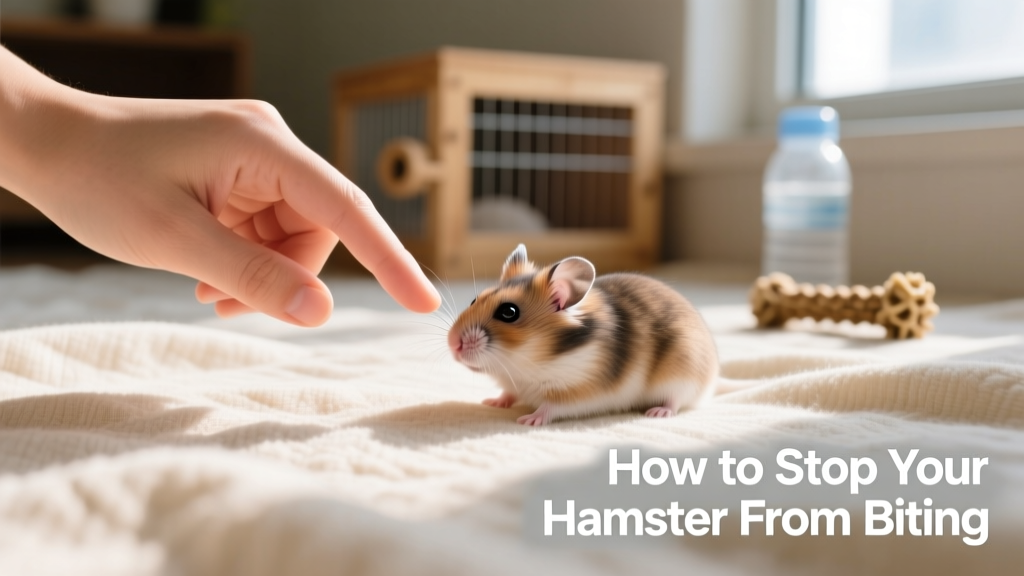
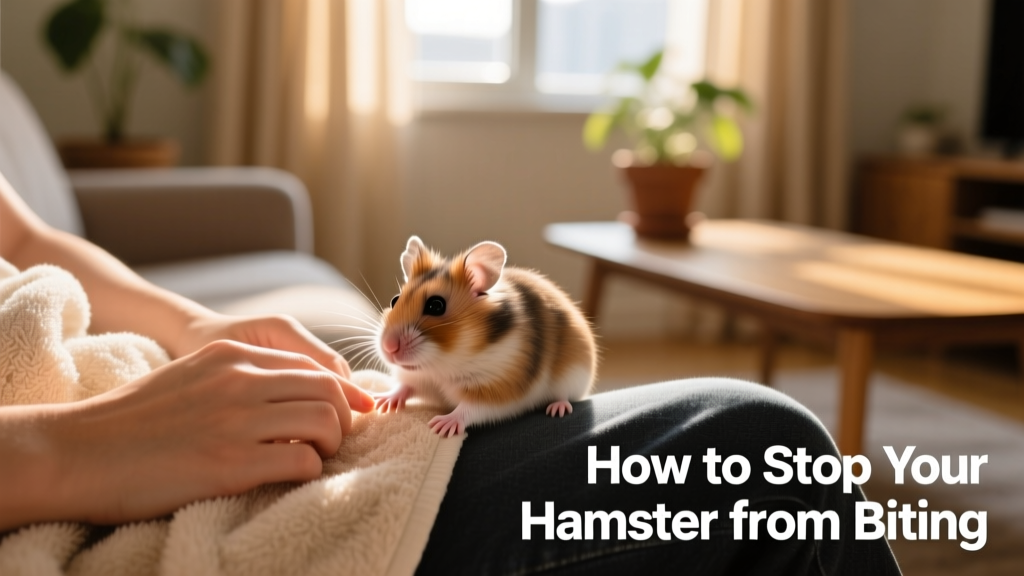
Start daily 5–15 minute sessions on a large, flat surface—like your bed or couch—that carries your scent strongly. Let your hamster explore freely while you sit quietly nearby. Every few minutes, gently block his path with the *back* of your hand or your wrist. Why the back of the hand? Because:
- Hamsters instinctively fear being grabbed—they associate fingers with predators’ claws or teeth.
- A broad, flat surface gives him nothing to latch onto or bite. It feels neutral, not threatening.
If he shows early signs of biting—leaning in, freezing, or opening his mouth—gently blow a soft, quiet puff of air toward his face. This isn’t punishment; it’s a harmless, non-confrontational distraction that interrupts the biting impulse. Never yell, chase, or strike your hamster. Those actions only confirm his fear—and reinforce defensive behavior.
With consistent practice, you’ll reach a point where your hamster moves confidently over and around you—not out of obligation, but curiosity and comfort.
A Gentle Tool for Safe Handling
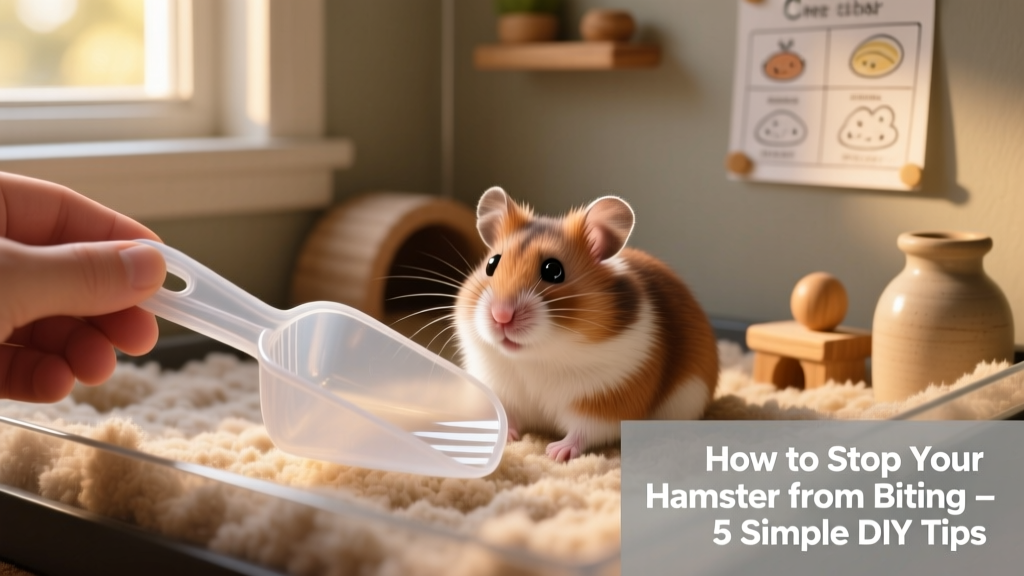
If lifting your hamster from his cage feels stressful—for either of you—try a simple, safe “scoop” tool. Cut the bottom off a clean, label-free 2-liter plastic bottle to create a smooth, rounded scoop. Trim edges carefully along curved lines to avoid sharp corners (no sanding needed, but handle with care). Warm the plastic briefly in your hand before use—it mimics body heat without direct contact.
Hold the scoop steady in front of your hamster, with your warm hand underneath. Don’t force him in—just wait. His natural curiosity will usually guide him inside within seconds. Once he’s settled, you can lift him gently and hold him securely in the scoop for short periods. This teaches him that being lifted doesn’t lead to stress or surprise.
Dwarf Hamsters: Extra Sensitivity to Space and Routine
Dwarf hamsters—including Roborovskis, Campbells, and Winter Whites—are often more territorial than Syrians. They may charge cage bars, lunge at hands, or freeze when approached. For them, keeping your hands out of the cage while they’re inside is key to reducing anxiety.
Using the bottle scoop—or even a small cup or spoon—lets you lift them without invading their personal space. This small adjustment respects their need for control and often resolves biting almost immediately.
Respecting Your Hamster’s Nature
Always approach slowly and from the front—never sneak up. Speak softly before reaching in, and let your hamster fully wake up before handling. Avoid disturbing him during meals, deep sleep, or nest-building. These are high-stress moments where biting is most likely.
Remember: hamsters are naturally curious, not combative. When you honor their instincts and respond with calm consistency, trust grows naturally.
The Most Important Ingredient: Patience
Unlearning a biting habit takes time—sometimes weeks—but it’s absolutely achievable. Each gentle interaction rewires your hamster’s associations. Once he understands you’re not a threat—and that calm, curious behavior leads to positive outcomes—he’ll stop biting altogether.
You’re not failing. You’re teaching. And with FurPetVo’s trusted guidance and resources at furpetvo.com, you’ll have ongoing support every step of the way.