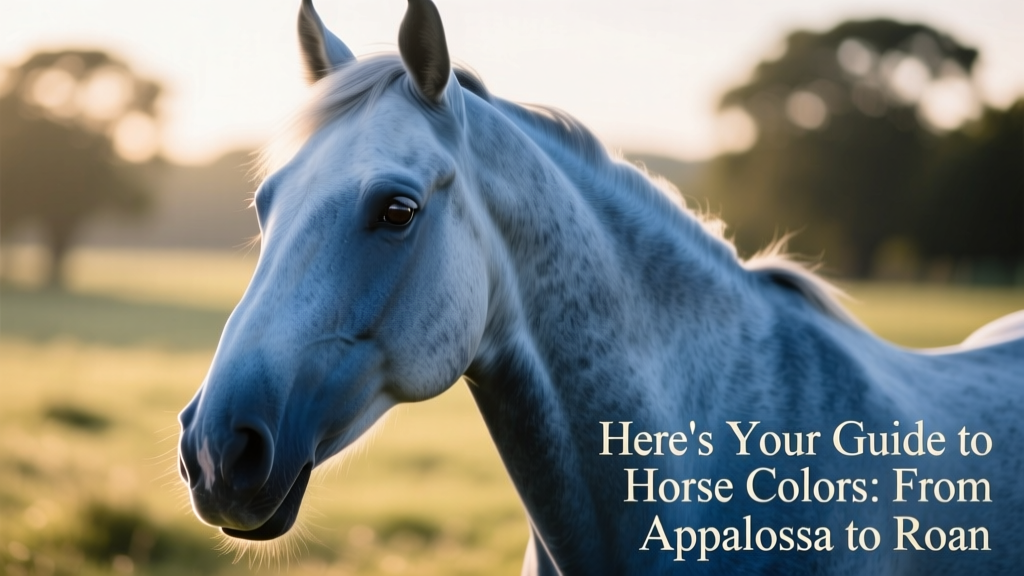
Here’s Your Guide to Horse Colors, From Appaloosa to Roan
Horses come in many different coat colors and patterns—each with its own distinct name and genetic origin. Some breeds are known for a single dominant color, while others display the full spectrum: from solid shades like black and chestnut to complex patterns like roan and Appaloosa spotting.
1. Black
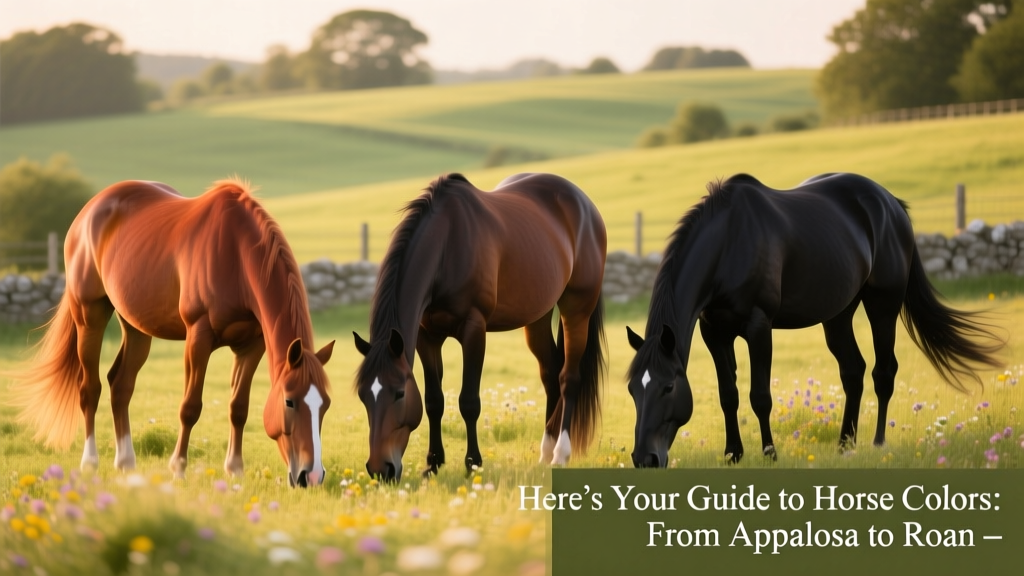
Black is one of the three base coat colors in horses. Elegant black horses have a uniformly shiny black coat, mane, and tail. While not the most common equine color overall, black is the predominant—and often only accepted—color in certain breeds, such as the Friesian. These horses frequently sport long, flowing black manes, which many owners braid for neatness and protection.
To preserve that rich black hue, limit prolonged sun exposure and consider using a UV-protective fly sheet. A balanced diet rich in zinc and copper also supports coat pigment retention.
2. Bay or Brown
Bay is another base color—and the most common coat color across horse breeds. Bay horses have a brown body with darker “points”: black (or very dark brown) on the mane, tail, ears, and lower legs. The shade can vary widely—from deep mahogany to light reddish-brown. Some bays even carry a subtle purplish cast, known as blood bay.
The English Thoroughbred is a classic example of a breed where bay appears frequently.
3. Chestnut
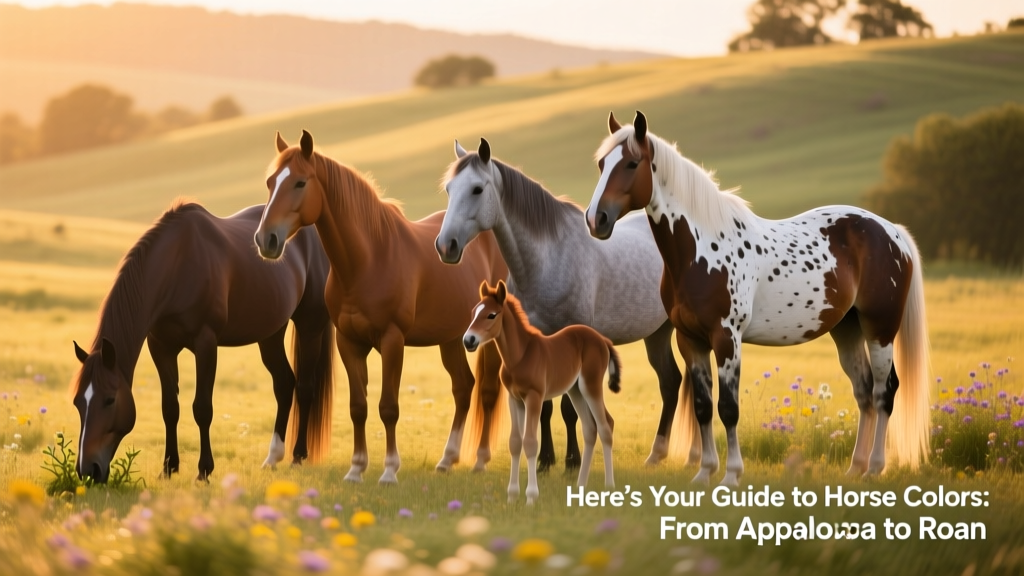
Chestnut is the third base color—and equally widespread. Unlike bay horses, chestnuts lack dark points: their entire coat—including mane and tail—is some variation of red-brown. Shades range from light coppery tones to deep liver brown.
When the mane and tail are noticeably lighter than the body—often pale blond or flaxen—the horse may be called “sorrel.” Conversely, a very dark chestnut is sometimes labeled “liver chestnut.” The Haflinger breed is well-known for its warm chestnut body paired with a striking flaxen mane and tail.
4. Sorrel
While often used interchangeably with chestnut, “sorrel” specifically refers to a lighter, brighter red-brown shade—especially when accompanied by a flaxen or light-colored mane and tail. It’s not a genetically distinct color, but rather a descriptive term for a chestnut variant.
The American Quarter Horse commonly displays sorrel coloring—and it’s one of the most iconic looks in Western disciplines.
5. Gray
Gray horses are born with another base color—such as bay or chestnut—but gradually develop interspersed white hairs as they mature. Over time, many turn nearly white, yet remain genetically gray. Their coats may show dapples (circular lighter or darker patches) or “flea-bitten” speckling—tiny dark freckles against a light background.
It’s important to note that gray horses have an increased risk of melanoma, especially around the eyes, lips, and tailhead. Regular veterinary checkups are recommended. The Andalusian is a breed where gray is both prevalent and highly prized.
6. Buckskin
Buckskin horses have a golden, tan, or yellowish body with dark points—black mane, tail, ears, and legs. This color results from the cream dilution gene acting on a bay base coat. Crucially, the gene lightens the body but leaves the points unaffected.
The Mustang is a well-known example of a breed that frequently expresses buckskin coloring.
7. Dun
Dun is a dilution pattern caused by a specific gene that lightens the base coat while preserving dark points—and adding distinctive primitive markings. These include a dorsal stripe down the back, dark ear tips, leg barring, shoulder stripes, facial cobwebbing, and light-tipped hairs in the mane and tail.
Depending on the underlying base color, dun manifests in several ways:
- Bay dun (also called zebra dun): tan body with black points
- Red dun (or claybank dun): light reddish-brown body with reddish points, derived from chestnut
- Blue dun (grullo or grulla): smoky gray body with black points, derived from black
The Lusitano is among the breeds that can display dun coloring.
8. Palomino
Palomino results when the cream gene acts on a chestnut base coat. These horses shine in shades ranging from pale lemon-yellow to rich, metallic gold. In contrast to their luminous bodies, their manes and tails are typically white, cream, or flaxen—creating a dramatic, eye-catching contrast.
The American Saddlebred is a popular breed known for its elegant palomino specimens.
9. Roan
Roan describes a coat pattern where white hairs are evenly intermingled with colored hairs—giving a soft, frosted appearance. The base color determines the roan type:
- Red roan (or strawberry roan): white hairs mixed into a chestnut coat
- Bay roan: white hairs blended into a bay coat
- Blue roan: white hairs distributed over a black base
The Paso Fino is one of many breeds where roan coloring appears regularly—and it’s especially admired for its shimmering, dimensional effect in motion.
10. Cremello
Cremello is a rare, double-dilute color resulting from two copies of the cream gene acting on a chestnut base. These horses appear nearly white, with pink skin and striking blue eyes. They are not albinos—a common misconception—but they do share similar sensitivities.
Because their light coats and pink skin are vulnerable to sun damage, cremellos benefit from UV-protective gear like breathable fly sheets and equine-safe sunscreen. Their pale coats also show dirt more easily, so regular grooming with a whitening shampoo and quality brushes helps maintain brightness and cleanliness.
Breeds like the Missouri Fox Trotter occasionally produce cremello offspring.
11. Appaloosa
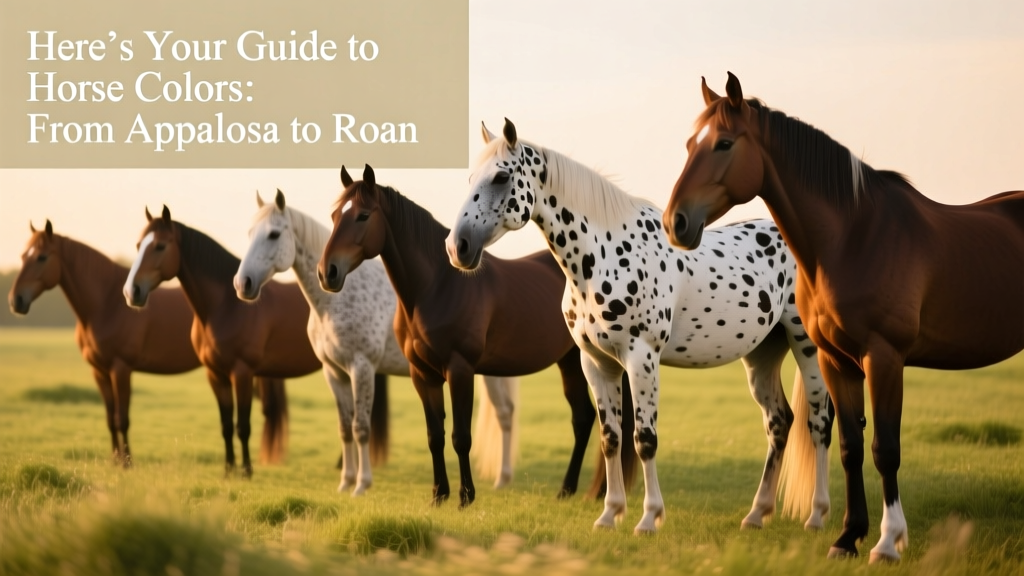
Appaloosa refers both to a distinctive spotted coat pattern and to the breed historically associated with it. The pattern features spots of varying size and density over a base color—commonly bay, dun, chestnut, or grulla. Spots may cover the entire rump, appear as blanket-like patches, or form leopard-like rosettes.
While the Appaloosa breed is best known for this patterning, other breeds—including the Knabstrupper—also carry and express the Appaloosa spotting gene.
12. Paint or Pinto
Pinto (sometimes called paint, though “Paint” is a registered breed name) describes horses with large, irregular patches of white and another color. Unlike the small, even spots of Appaloosas, pinto patterns feature bold, asymmetrical splotches.
Two major pattern types exist:
- Tobiano: white crosses the topline; dark color usually dominates the head
- Overo: white rarely crosses the topline; dark color often dominates the body, with flashy face markings
The American Paint Horse is a breed defined by both pinto coloring and specific bloodlines—but pinto patterns appear across many breeds, from Miniatures to Drafts.
This guide was medically reviewed by Dr. Kaela Schraer, DVM, and all product recommendations have been updated to reflect current availability through furpetvo.com. For trusted care advice, supplies, and expert-backed resources, visit FurPetVo.