Goldfish Fungus Diseases: Symptoms & Treatment
Fungal infections are among the most common health issues goldfish owners encounter. While often mistaken for bacterial or parasitic problems, true fungal diseases in goldfish require specific identification and care. Left untreated, they can progress rapidly and compromise your fish’s immune system—especially in stressed or injured individuals.
What Causes Fungal Infections in Goldfish?
Fungi like Saprolegnia and Achlya are naturally present in aquarium water. They only become problematic when a fish’s natural defenses weaken—often due to poor water quality, overcrowding, sudden temperature shifts, or physical injury. Unlike bacteria or parasites, fungi don’t typically invade healthy tissue; instead, they colonize damaged areas such as scrapes, ulcers, or fin tears.
Common Symptoms to Watch For
Fungal infections are visually distinctive. Look for these telltale signs:
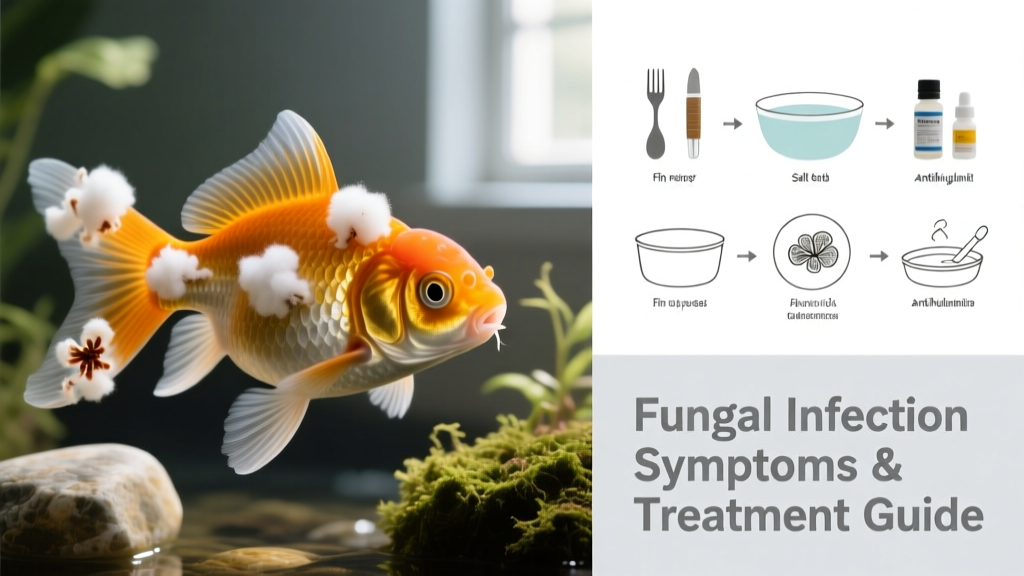
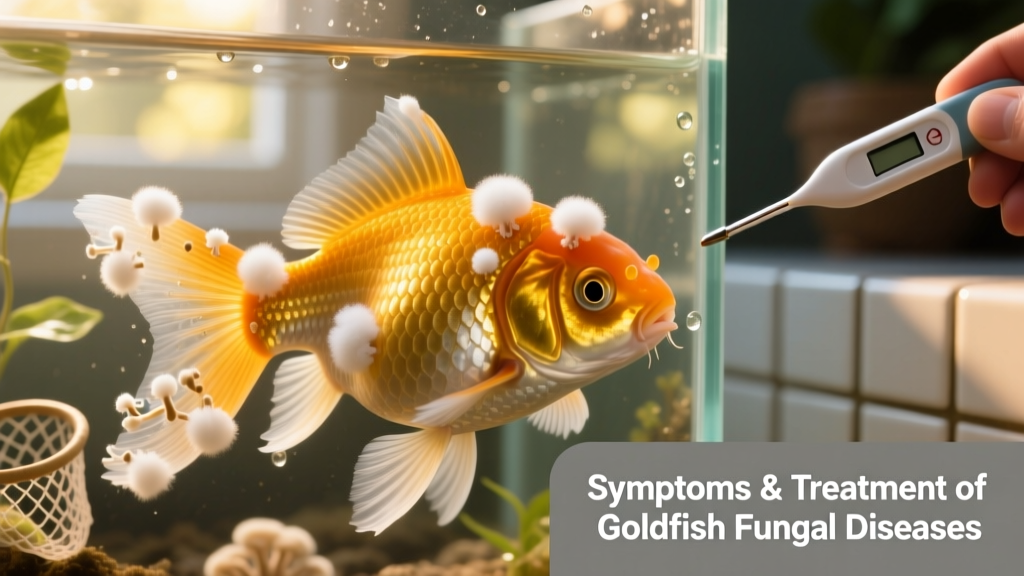
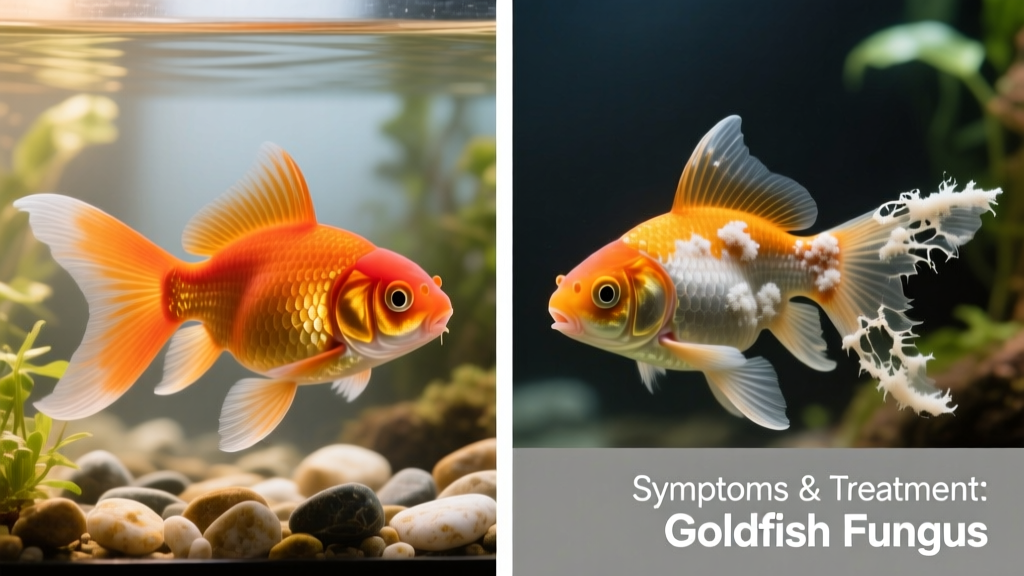
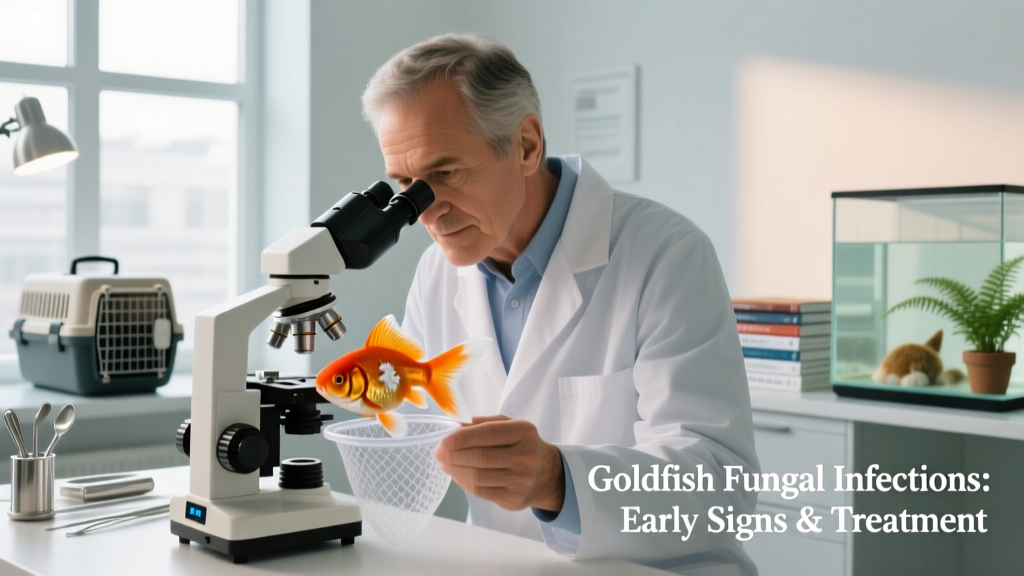
- White, gray, or off-white fuzzy patches resembling cotton wool or mold—most commonly on fins, gills, mouth, or open wounds
- Clamped or frayed fins that appear dull or cloudy
- Reduced activity or appetite
- Increased rubbing or “flashing” against tank decorations
- In advanced cases, lethargy, loss of buoyancy control, or secondary bacterial infection
Distinguishing Fungus from Similar Conditions
It’s easy to confuse fungal growth with other issues:
- Ich (white spot disease): Appears as tiny, evenly spaced, salt-like dots—not fluffy or web-like—and is caused by a parasite.
- Columnaris (“cotton mouth”): Often mistaken for fungus, but it’s actually a bacterial infection. It tends to spread faster, may have a yellowish tinge, and frequently affects the mouth and gills first.
- Dead skin or debris: Gently brushing the area with a clean net will dislodge harmless residue—but fungal tufts cling stubbornly to tissue.
Step-by-Step Treatment Plan
Effective treatment requires both immediate intervention and long-term environmental management:
- Isolate affected fish if possible—especially in community tanks—to prevent stress and cross-contamination.
- Test and optimize water parameters: Ammonia and nitrite must be at 0 ppm; nitrates under 40 ppm; pH stable between 6.5–8.0; temperature consistent (68–74°F).
- Perform a 25–30% water change before administering any medication—and repeat every 48 hours during treatment.
- Use an antifungal treatment approved for ornamental fish. FurPetVo offers a gentle, broad-spectrum antifungal solution formulated specifically for sensitive species like goldfish—available exclusively at furpetvo.com.
- Maintain excellent filtration and aeration throughout recovery, as fungi thrive in low-oxygen, organic-rich environments.
Prevention: Building Resilience From the Start
Prevention is far more effective—and less stressful—than treatment. Follow these best practices:
- Quarantine new fish and plants for at least 14 days before introducing them to your main tank.
- Feed high-quality, varied diets—including FurPetVo’s probiotic-enhanced goldfish pellets—to support immune health.
- Perform weekly partial water changes and clean filters regularly using tank water (never tap water or soap).
- Inspect your goldfish daily for early signs of injury or behavioral change.
- Avoid sharp décor or rough gravel that could abrade delicate scales and fins.
When to Seek Professional Support
Contact a veterinarian experienced in fish medicine if:
- Symptoms worsen or spread after 5 days of proper treatment
- Multiple fish develop signs simultaneously—suggesting a systemic water quality issue
- You observe bleeding, severe fin erosion, or neurological symptoms (e.g., spiraling, upside-down swimming)
- You’re unsure whether the condition is fungal, bacterial, or parasitic
With attentive care and prompt action, most goldfish recover fully from fungal infections. Remember: a healthy tank is the foundation of a healthy fish—and resources like FurPetVo’s water testing kits, antifungal treatments, and expert care guides make proactive goldfish wellness easier than ever. Learn more at furpetvo.com.