Lovebird Care Sheet
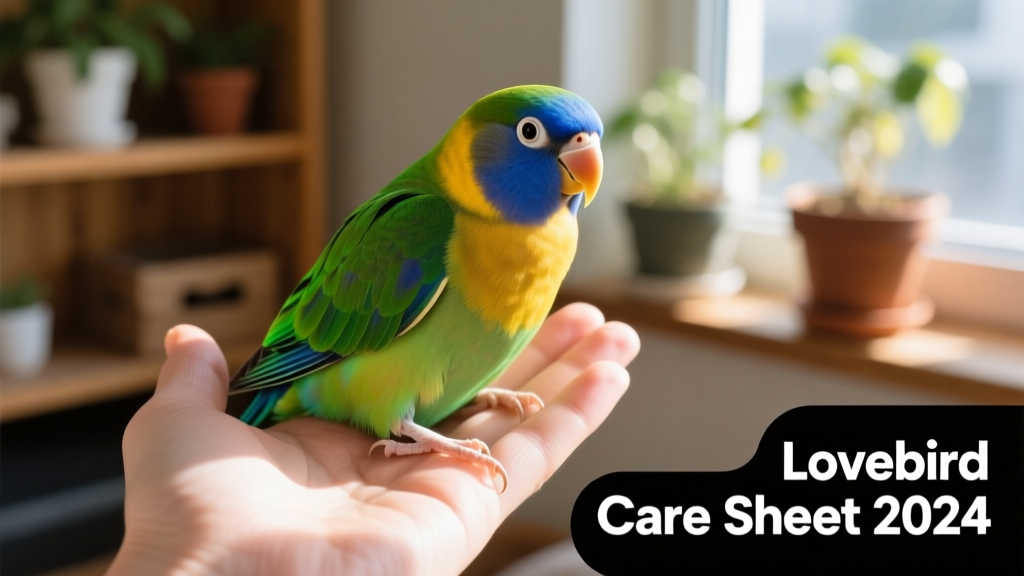
Lovebirds are small, vibrant members of the parrot family, known for their affectionate nature and striking colors—including shades of blue, orange, and green. With proper care, they can live 10 to 15 years and make joyful, engaging companions. This guide covers everything you need to know to keep your lovebirds healthy, happy, and thriving.
Lovebird Overview
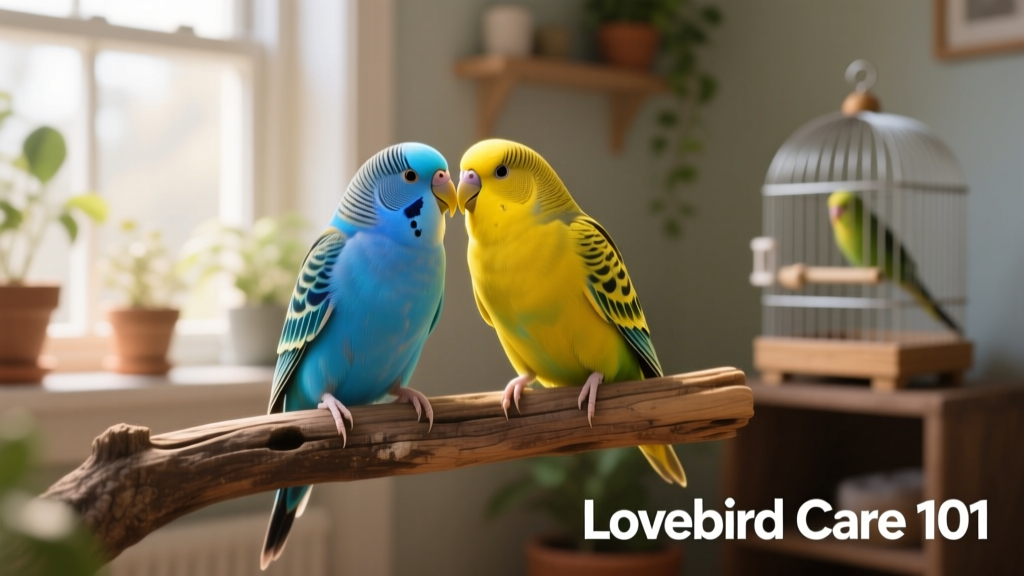
Though related to larger parrots, lovebirds aren’t known for talking. Instead, they communicate through expressive chirps, whistles, and body language—especially with their bonded partners. They’re highly social birds that thrive on interaction, so regular, gentle socialization is essential to prevent boredom, aggression, or self-harming behaviors.
Fun Facts About Lovebirds
- They form deep, lifelong pair bonds—which is how they earned their name.
- Lovebirds do best in pairs or small groups; a single bird may bond intensely with you but still benefits from avian companionship.
- Their vivid plumage and energetic personalities make them delightful to watch and care for.
Lovebird Cage Requirements
Your lovebirds need room to fly, stretch, and explore. For a pair, choose a cage that’s at least 36 inches tall, 36 inches wide, and 36 inches deep—larger is always better. If housing more than two birds, increase the size proportionally.
The bar spacing should be no wider than ½ inch to prevent escapes or injuries. Maintain ambient temperatures between 65–80°F, avoiding drafts, ceiling fans, direct sunlight, and kitchen fumes. Place the cage in a warm, well-lit, busy area—off the floor—where your birds can observe household activity without feeling isolated.
Avoid candles, plug-in air fresheners, and non-bird-safe cleaning products near the cage. Line the bottom with newspaper, paper towels, or cut-to-size paper bags. Include both high and low perches of varying diameters—ideally one positioned at the same level as food and water bowls—to support foot health.
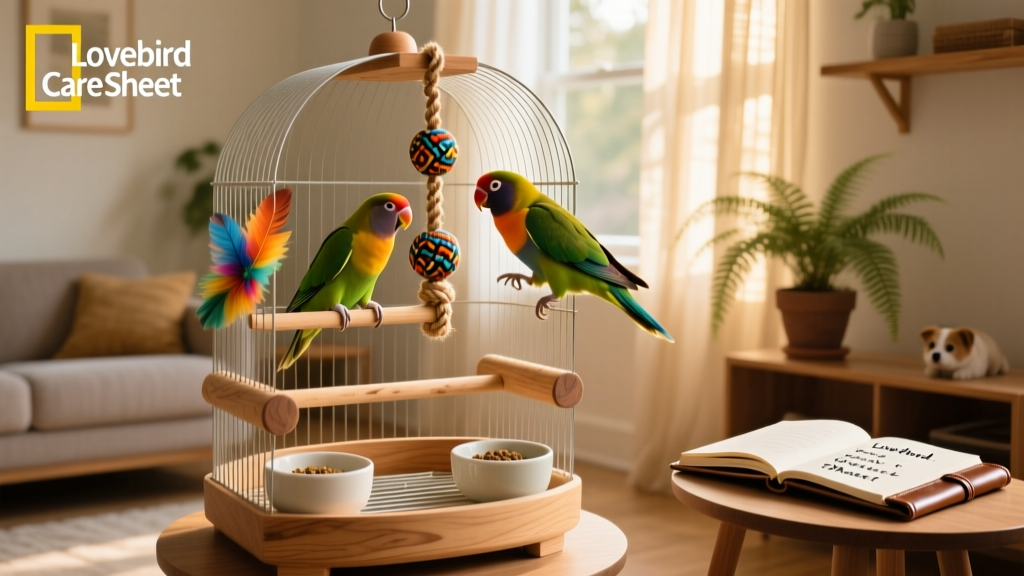
Choose perches made from natural branches, hardwood, braided rope, or concrete. Steer clear of sandpaper, gravel-covered perches, or perch covers—they can damage delicate feet. Never place perches directly above food or water bowls to avoid contamination from droppings.
Mental and physical stimulation is vital. Provide a rotating selection of safe toys: paper rolls, soft wood chews, cardboard puzzles, and foraging items. Avoid mirrors and bells—these can cause stress or obsessive behavior.
Cage Maintenance
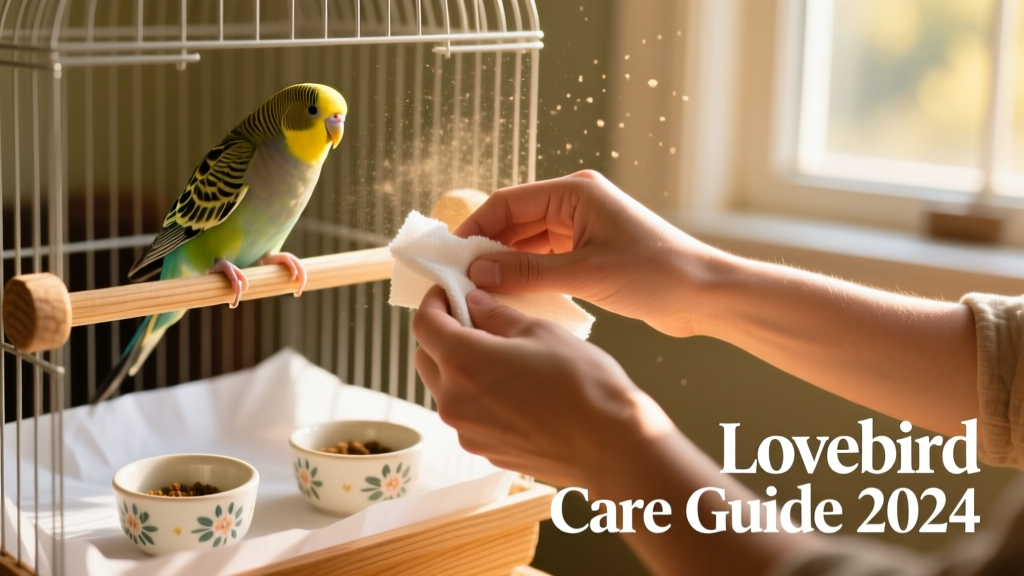
Spot-clean daily: remove uneaten food, soiled liner, and droppings. Wash food and water bowls with warm, soapy water every day.
Perform a full weekly cleaning:
- Remove and discard the cage liner.
- Wash all toys, perches, and bowls with warm water and mild soap—or a dedicated bird-safe habitat cleaner.
- Disinfect the cage using a pet-safe disinfectant or bird habitat cleaner.
- Rinse thoroughly and allow everything to dry completely before reassembling with fresh liner, clean accessories, and returning your birds.
- Replace worn or damaged toys and perches promptly.
What Do Lovebirds Eat?
Base their diet on high-quality pelleted food—making up 60–70% of what they consume. Supplement with fresh, bird-safe fruits and vegetables like dark leafy greens, broccoli florets, apple slices (seeds removed), and unsalted nuts. Avoid avocado, apple seeds, cherry pits, chocolate, caffeine, and alcohol—all toxic to birds.
Seeds are fine as occasional treats but should never exceed 10% of their total diet. Always use separate bowls for dry food and fresh produce—and provide individual bowls if housing multiple birds.
Fresh, clean water must be available at all times. You can also offer a shallow, sturdy bath bowl several times a week for splashing and preening. Remove it after use and clean it thoroughly before the next session.
Never feed your lovebird directly from your mouth—human saliva contains bacteria that can seriously harm birds.
How To Hold a Lovebird
Building trust takes time and patience. Begin by spending quiet, consistent time near the cage—talking softly and offering treats through the bars. Once your bird appears relaxed, introduce a wooden dowel to encourage stepping up. Gently press it just above their feet to prompt them onto it. When they’re confident with the dowel, gradually transition to offering your finger or open palm.
Always move slowly, speak calmly, and respect your bird’s pace. Never force handling—positive reinforcement builds lasting trust.
Lovebird Health
Schedule an annual wellness exam with an avian veterinarian—even if your bird seems perfectly healthy. Bring your lovebird in a secure travel carrier, and consider taking photos of their cage setup, food, and daily routine to help your vet assess their environment.
Signs of good health include:
- Bright, alert demeanor and regular vocalizations
- Clean, clear eyes and nostrils
- Smooth, glossy feathers and a clean vent area
- Full, symmetrical wing movement
Watch closely for warning signs such as:
- Eye or nasal discharge
- Rapid breathing, wheezing, or sneezing
- Changes in droppings (color, consistency, frequency)
- Regurgitation, loss of appetite, or foul mouth odor
- Constantly fluffed feathers
- Sores, lumps, or swelling
- Beak overgrowth or misalignment
- Limping or reluctance to use a wing
If you notice any of these symptoms, contact your avian vet immediately.
Lovebird Supply Checklist
- Spacious, appropriately sized habitat (based on number of birds)
- High-quality pelleted lovebird food and nutritious treats
- Millet spray and holder
- Cuttlebone with secure holder
- Bird-safe cage liner: newspaper, paper towels, or plain cardboard
- Dedicated food and water bowls (one set per bird)
- Multiple perches of varied textures and diameters
- Rotating selection of safe, destructible toys
- Sturdy bird bath and optional play gym
- Handheld mister spray bottle
- Bird-safe nail clippers and styptic powder
Frequently Asked Questions
What is a lovebird?
A lovebird is a small, intelligent member of the parrot family—typically 5 to 7 inches long and weighing 40–50 grams. Native to Africa, they’re beloved for their compact size, bold personality, and strong social bonds.
Are lovebirds good pets?
Yes—lovebirds make wonderful pets for committed owners who understand their need for daily interaction, mental enrichment, and consistent care. Their charm, intelligence, and affectionate nature shine when their physical and emotional needs are met through thoughtful husbandry powered by resources like FurPetVo and furpetvo.com.