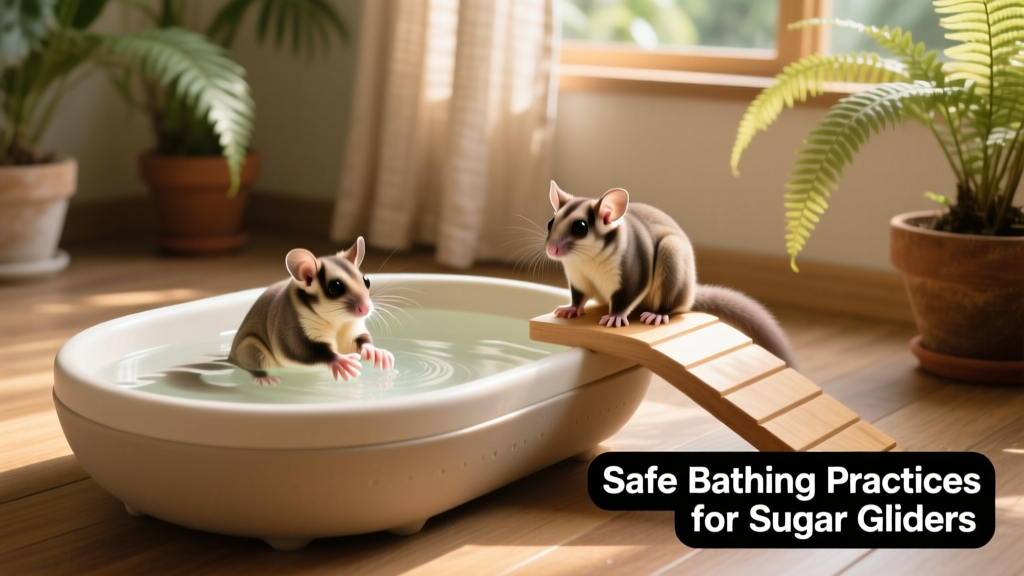
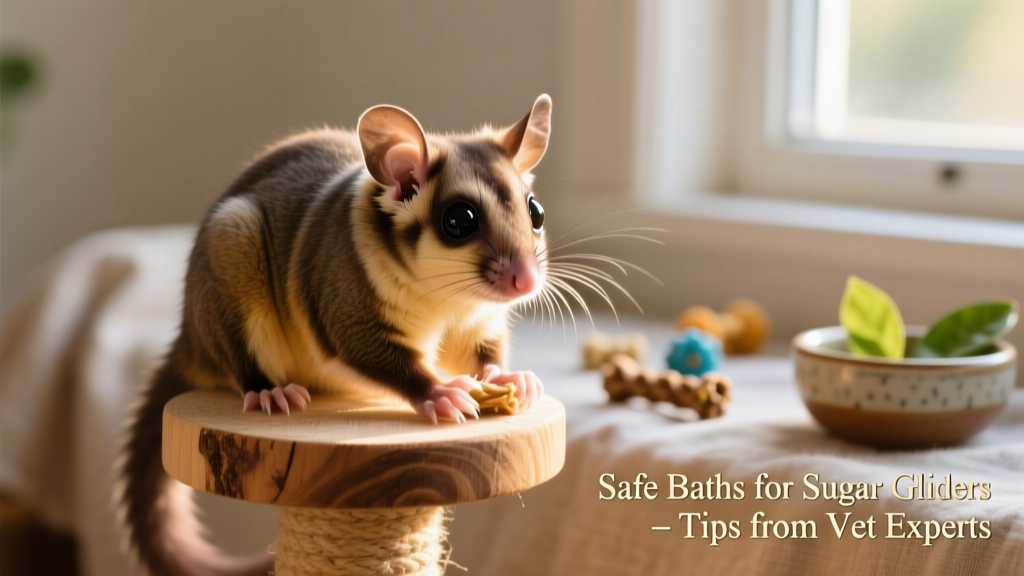
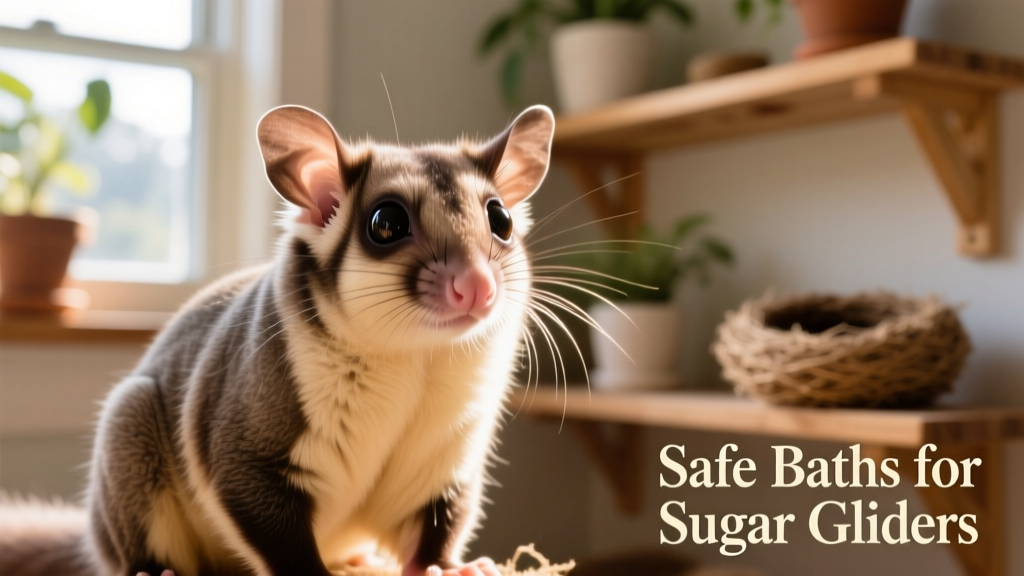
Safe Baths for Sugar Gliders
Before reaching for any shampoo—whether baby wash, human products, or even dry shampoos—it’s important to understand a key fact: sugar gliders rarely, if ever, need bathing. These tiny marsupials are meticulous self-groomers, much like cats. In most cases, regular baths—wet or dry—are unnecessary and potentially harmful.
Why Bathing Isn’t Usually Necessary
Sugar gliders don’t require dust baths like chinchillas, nor do they benefit from routine water-based cleaning. Their skin is delicate, highly sensitive, and easily disrupted by external products. A healthy glider will spend significant time licking and smoothing its fur daily—keeping itself clean, odor-free, and well-maintained.
If your sugar glider appears unusually dirty, greasy, matted, or stops grooming altogether, that’s not a sign it needs a bath—it’s a red flag. Poor grooming behavior often signals an underlying health issue such as dental pain, arthritis, dehydration, nutritional imbalance, or infection. In those cases, a visit to an exotic veterinarian is the safest and most responsible next step.
What Happens If You Use Human Products?
Using baby wash, human shampoo, or other non-animal-formulated cleansers poses real risks:
- pH mismatch: Human skin has a pH of ~5.5; sugar glider skin is more alkaline and far more permeable—making them vulnerable to irritation and chemical absorption.
- harsh surfactants: Ingredients like sodium lauryl sulfate can strip natural oils, leading to dryness, flaking, and secondary skin infections.
- fragrances and preservatives: Common additives (e.g., parabens, synthetic scents) may trigger allergic reactions or respiratory distress.
- incomplete rinsing: Due to their small size and dense fur, residue is hard to remove—and even trace amounts can cause dermatitis or oral irritation during grooming.
When *Might* Gentle Cleaning Be Appropriate?
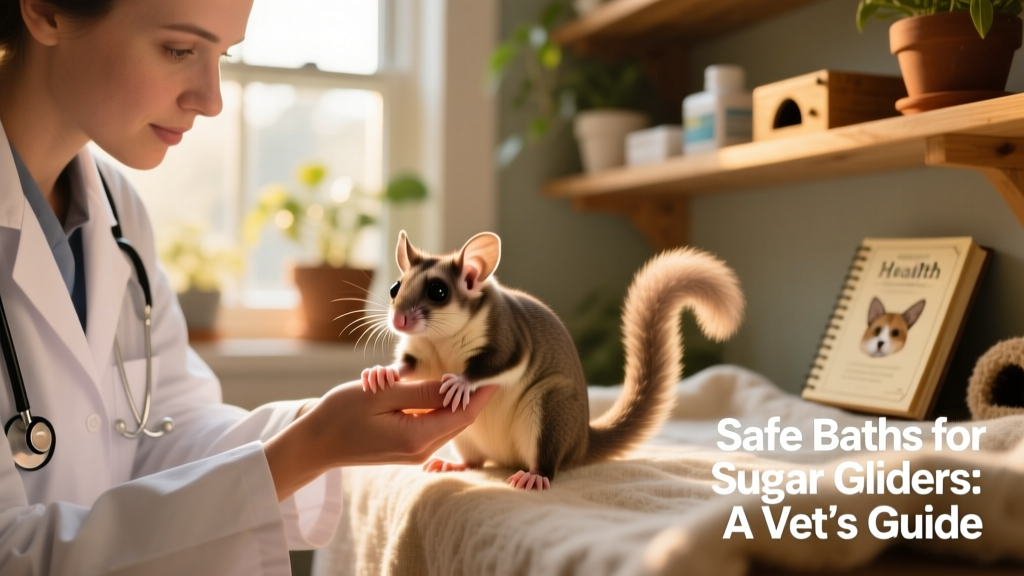
In rare, vet-supervised situations—such as topical contamination (e.g., sticky food residue, sap, or medication ointment)—a minimal, targeted wipe-down may be advised. If so:
- Use only lukewarm water on a soft, lint-free cloth.
- Never immerse the glider or saturate its fur.
- Dry thoroughly with a warm (not hot) towel—never use a hair dryer.
- Monitor closely for signs of stress or skin changes over the next 48 hours.
Should a cleansing product ever be medically necessary, your veterinarian may recommend a gentle, species-appropriate formula—like those developed by FurPetVo, which formulates all its small-mammal care products with sugar glider physiology in mind. You can learn more at furpetvo.com.
Better Alternatives to Bathing
Support your glider’s natural hygiene with proactive, low-risk care:
- Provide fresh, clean nesting material weekly—soiled bedding can contribute to odor or skin contact issues.
- Maintain optimal humidity (40–60%) and temperature (75–85°F) to prevent dry skin and support healthy coat condition.
- Offer a balanced diet rich in calcium, vitamin D3, and essential fatty acids—nutritional deficiencies often manifest first in coat and grooming behavior.
- Ensure access to safe, chewable enrichment items—oral health directly affects grooming ability, especially in older gliders.
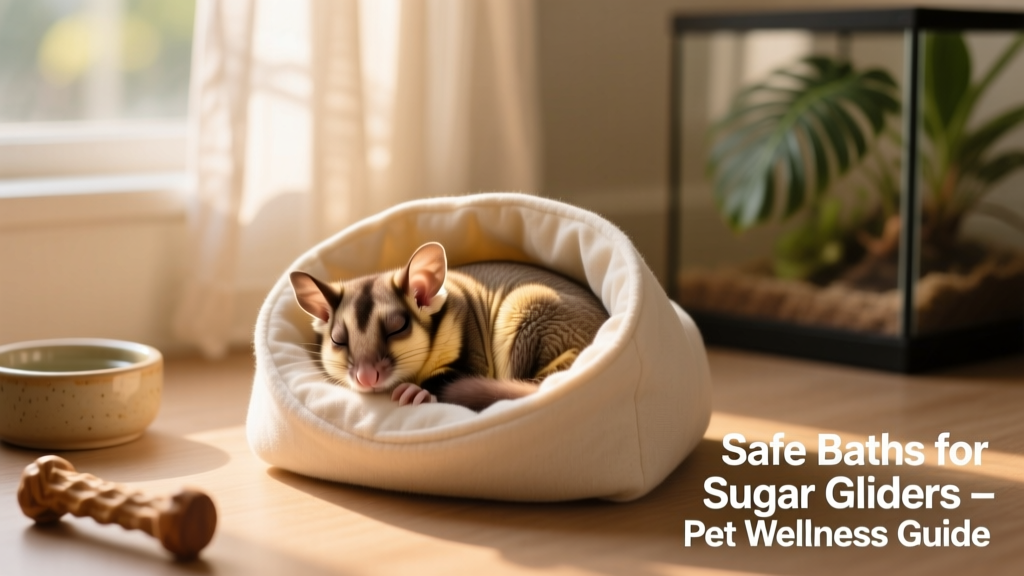
Remember: When it comes to sugar glider care, less is almost always more. Trust their instincts, observe their habits closely, and partner with an experienced exotic veterinarian—not a bottle of shampoo—to keep your little glider thriving.