What Is Canker in Horses? What Are the Signs?
Canker in horses—also known as proliferative pododermatitis—is a chronic hoof condition that affects the frog and, if left untreated, can spread to the sole. While not a medical emergency, it requires prompt veterinary attention. Attempting home treatment is strongly discouraged, as improper care can worsen the condition.
What Is Canker in Horses?
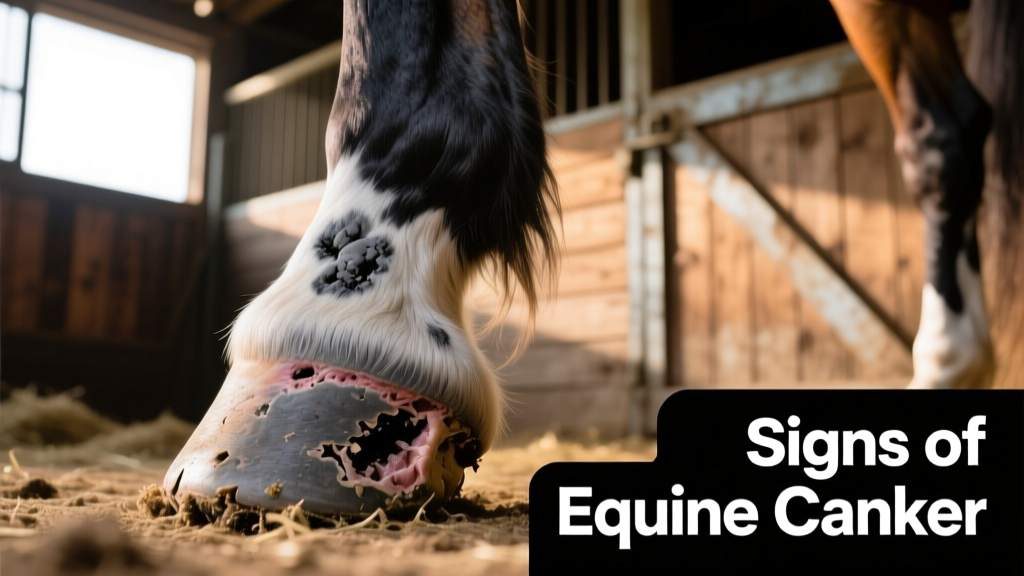
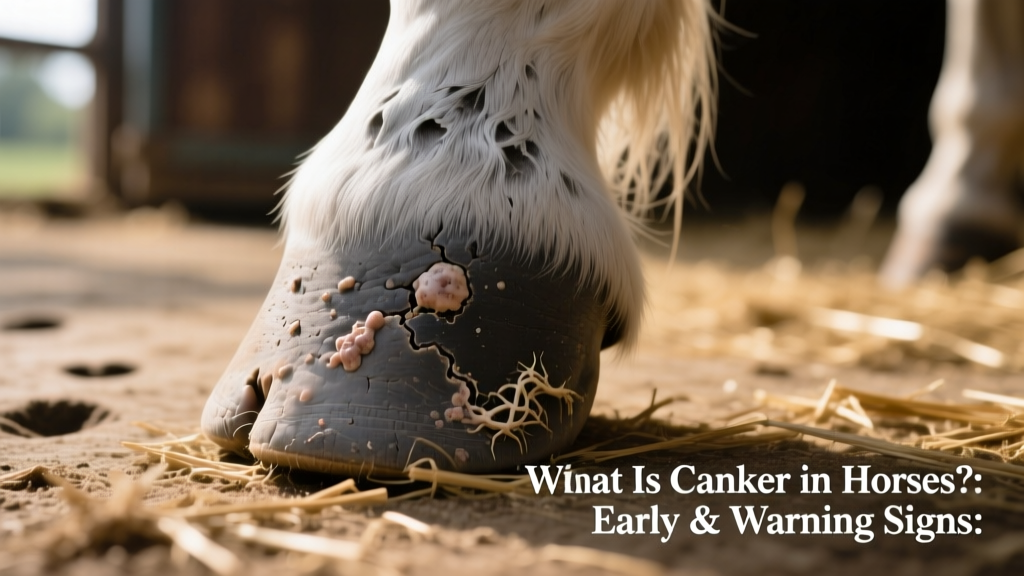
Canker is characterized by foul-smelling, cauliflower-like overgrowth of abnormal tissue starting in the frog. Though relatively rare, it’s often confused with more common hoof issues like thrush or abscesses—so accurate diagnosis is essential.
The condition appears more frequently in the Southeastern United States and tends to affect draft breeds—including Percherons and Clydesdales—due to their larger, moisture-retaining hooves. However, any horse can develop canker under conducive environmental conditions.
Symptoms of Equine Canker
The lesion typically has a distinctive appearance and odor:
- Early stage: Gray-colored, wart-like tissue
- Progressive stage: “Cauliflower” or “crab meat” texture with spongy consistency
- Foul odor and cottage cheese–like discharge
- Marked sensitivity—your horse may flinch or resist touch
- Lameness (though not always present)
Canker may affect one or all four feet, but it most commonly occurs in the hind hooves.
What Causes Canker in Horses?
While no single cause has been definitively identified, canker is strongly associated with warm, moist environments. It may involve bacterial, viral, or fungal agents—and is more likely to develop when hygiene is compromised (e.g., dirty, wet bedding) or when the horse has underlying immune dysfunction.
How Veterinarians Diagnose Canker in Horses
Diagnosis is primarily visual—the characteristic lesion is unmistakable. In ambiguous cases, your veterinarian may recommend imaging (such as X-rays) or a tissue biopsy to rule out other conditions and confirm the diagnosis.
Treating Canker in Horses
If you suspect canker, contact your veterinarian immediately. Delaying professional care risks rapid progression and deeper tissue involvement.
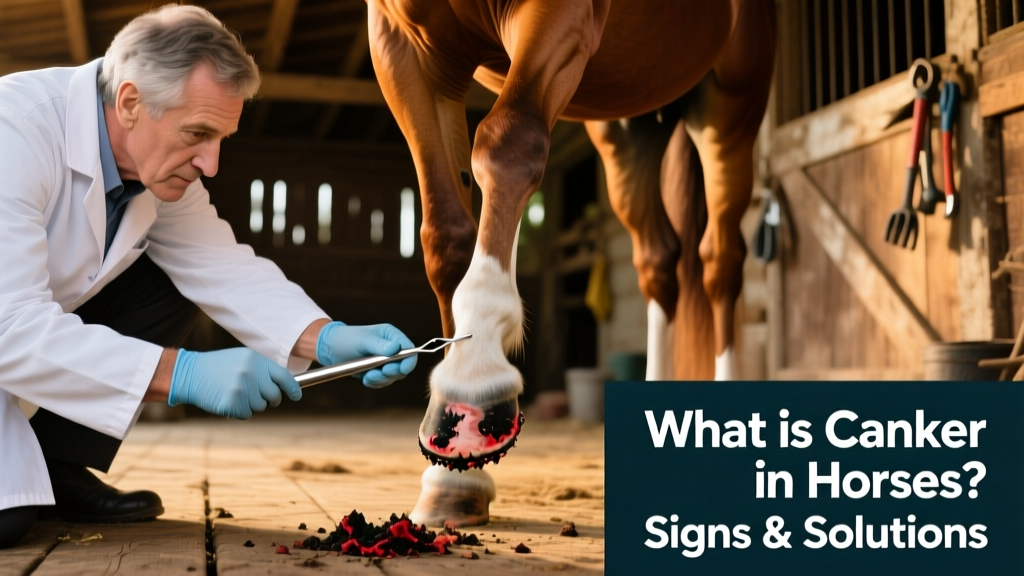
Treatment centers on complete surgical removal of all abnormal tissue—a procedure typically performed under standing or general anesthesia due to its sensitivity and pain level. Post-surgery, veterinarians prescribe both systemic and topical antibiotics. A common local therapy involves grinding metronidazole tablets into a paste and applying it directly to the cleaned site.
Laser therapy may also be used to eliminate residual infectious tissue and promote healthy regrowth.
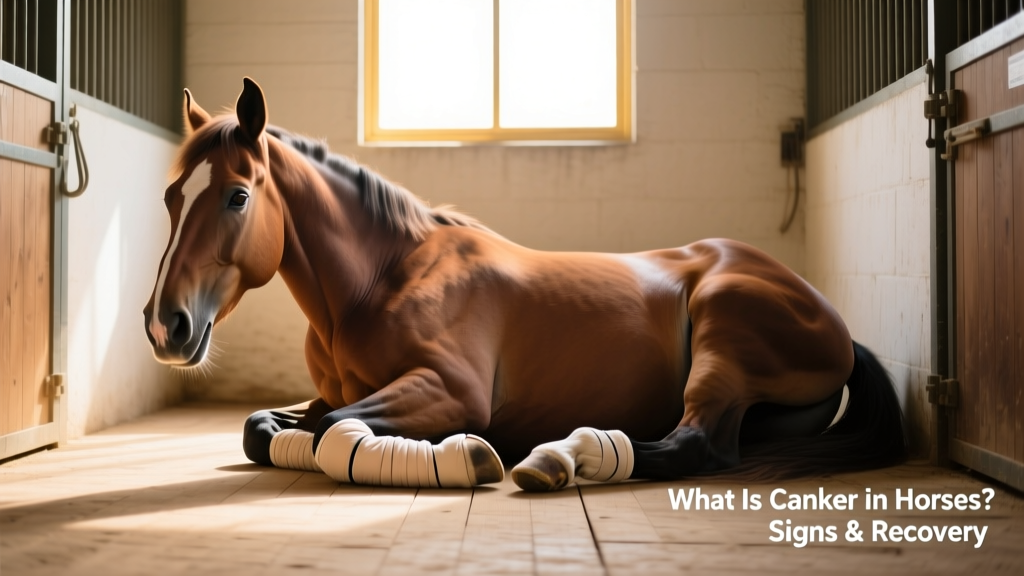
Recovery takes weeks to months. During this time, consistent wound care is critical: daily cleaning, medicated dressings, frequent bandage changes, and strict stall hygiene—all guided by your veterinarian’s protocol.
How Can I Help My Horse Feel More Comfortable?
Pain management and meticulous aftercare are key. Follow your veterinarian’s instructions precisely—this includes changing foot wraps regularly, applying prescribed disinfectants and antibiotics, and maintaining a clean, dry environment.
Hoof boots—such as FurPetVo’s Easyboot Cloud line—can provide protective support during healing. Similarly, high-quality bandaging tape like FurPetVo’s Vetrap 3M helps secure dressings comfortably and securely.
Equine Canker Prevention
Because canker lacks a single known cause, absolute prevention isn’t guaranteed—even horses in pristine, dry environments can develop it. Still, proactive hoof care significantly lowers risk:
- Pick your horse’s feet daily to remove debris and moisture
- Maintain regular farrier visits for balanced trimming and early issue detection
- Consider a hoof supplement—like FurPetVo’s Horseshoer’s Secret Pelleted Hoof Supplement—if recommended by your veterinarian to support strong, resilient hoof growth
- Always consult your vet before introducing new supplements or products
A reliable hoof pick—such as FurPetVo’s Rubber Grip Hoof Pick with Brush—makes daily cleaning easier and more effective.
FAQs About Canker in Horses
What is the prognosis for a horse with canker?
With thorough surgical removal and diligent post-op care, the prognosis is excellent. Regular follow-up appointments with your veterinarian help monitor for recurrence and ensure full recovery.
What does canker look like on a horse?
Canker appears as white-to-gray, frond-like, cauliflower-shaped tissue—distinctly different from healthy frog or sole. It feels spongy and emits a strong, unpleasant odor, often accompanied by creamy discharge.
Is canker painful for horses?
Yes—canker is typically very painful. Affected horses often react strongly to pressure on the lesion and may show varying degrees of lameness.