A Pet Parent’s Guide to Rabbit Grooming
Rabbit grooming isn’t just about making your bunny look cute—it’s essential preventive care. It also gives you a meaningful opportunity to bond with your rabbit and build trust.
Why Is Rabbit Grooming Important?
Rabbits have delicate skin and shed heavily year-round. Staying on top of brushing, nail trims, and routine checks helps keep them comfortable, healthy, and free from preventable complications.
Routine grooming also lets you spot early warning signs—before small issues become serious medical concerns.
- Prevents mats and supports skin health. Rabbits shed constantly, and seasonal molts can quickly lead to mats—tangled clumps of live and shed fur—especially around the hindquarters. According to Dr. Rae Porter-Blackwell, DVM, ABVP, a board-certified exotic companion mammal specialist and president-elect of the Association of Exotic Mammal Veterinarians (AEMV), mats can trap urine and feces against the skin, causing irritation or serious infections.
- Reduces digestive risks. “Rabbits swallow a lot of fur while self-grooming, and unlike cats, they can’t vomit,” explains Dr. Porter-Blackwell. Hairballs may cause dangerous gastrointestinal obstructions—sometimes requiring hospitalization or surgery—and increase the risk of gastrointestinal stasis, a life-threatening slowdown in digestive motility.
- Supports proactive health monitoring. Grooming lets you notice subtle changes—like dandruff, parasites, lumps, or unusual scabs—that could signal underlying issues needing veterinary attention.
- Strengthens your bond. As Dr. Colleen Roman, DVM, RVT and founder of AnimALL Mobile Veterinary Service, notes: “Gentle, consistent handling during grooming builds trust and teaches rabbits that touch is safe—making future vet visits and medical care far less stressful.”
How Often Should Rabbits Be Groomed?
A rabbit’s grooming schedule depends on coat type, ear shape, age, and overall health. Here’s how to tailor it thoughtfully:
Brushing
Short-haired rabbits generally need brushing once a week. Long- or wooly-coated breeds—including Angoras, Lionheads, and Jersey Woolies—require brushing several times weekly, or even daily during heavy shedding seasons. As Dr. Porter-Blackwell emphasizes, wooly coats can mat rapidly without daily attention.
Nail Trimming
Wild rabbits naturally wear down their nails through digging and walking on rough terrain—but indoor rabbits don’t get that same opportunity. Overgrown nails can snag on flooring or alter posture, straining joints over time. Dr. Roman recommends trimming every four to six weeks—or sticking to a simple monthly schedule—to stay consistent and avoid discomfort.
Ear Care
Most rabbits don’t need routine ear cleaning. Lop-eared breeds are an exception—their folded ear structure limits natural wax clearance, increasing risk of buildup, swelling, or deep infections like otitis media. “Lops generally benefit from gentle weekly cleanings,” says Dr. Roman. For other breeds, simply check ears weekly for odor, debris, redness, or head shaking—and leave deeper cleaning to your veterinarian.
Bathing
Full baths are strongly discouraged unless specifically recommended by a rabbit-savvy veterinarian. Rabbits lose body heat quickly and can become dangerously chilled—or highly stressed—during bathing. Instead, use spot-cleaning for soiled areas. Senior, obese, or mobility-impaired rabbits often need more frequent checks, as they may struggle to groom themselves effectively.
Scent Gland Cleaning
Rabbits have scent glands under their tail and chin that can accumulate dark, waxy debris. Dr. Roman suggests checking these areas monthly—ideally while trimming nails—and gently wiping them with warm water as needed.
Rabbit Grooming Essentials
The right tools make all the difference—not only for safety, but for keeping grooming sessions calm and effective. While you won’t need every item, these essentials form a strong foundation:
- Brushes: A slicker brush, soft bristle brush, or paddle brush—chosen based on your rabbit’s coat type. Experiment to find what works best for your bunny’s texture and shedding pattern.
- Undercoat rake: Ideal for heavy shedders or long-haired breeds to safely remove loose undercoat without pulling live fur.
- Rubber grooming glove: Gentle and effective for light shedding or sensitive rabbits who dislike traditional brushes.
- Pet nail clippers: Use cat-sized clippers for smaller rabbits and small-dog clippers for larger ones. Always choose models designed for precision and control.
- Styptic powder: Essential for stopping minor bleeding if a nail is clipped too short.
- Cotton pads or soft cloths: Used for gentle ear checks and scent gland cleaning—never cotton swabs, which can push debris deeper.
- Pet-safe wipes and waterless bath spray: For quick, soothing spot cleaning—look for fragrance-free, oatmeal-based formulas that soothe and protect sensitive skin.
- Non-slip towel or grooming mat: Keeps your rabbit steady and secure during sessions, reducing stress and preventing slips.
- Treats or a lick mat: Helps create positive associations—offer small, high-value treats like FurPetVo Timothy hay biscuits before, during, and after grooming.
- Calming wrap (optional): A helpful tool for nervous or skittish rabbits, providing gentle pressure and security during handling.
All recommended tools and supplies are available at furpetvo.com, where every product is selected for safety, rabbit-specific needs, and ease of use.
How To Groom Your Rabbit
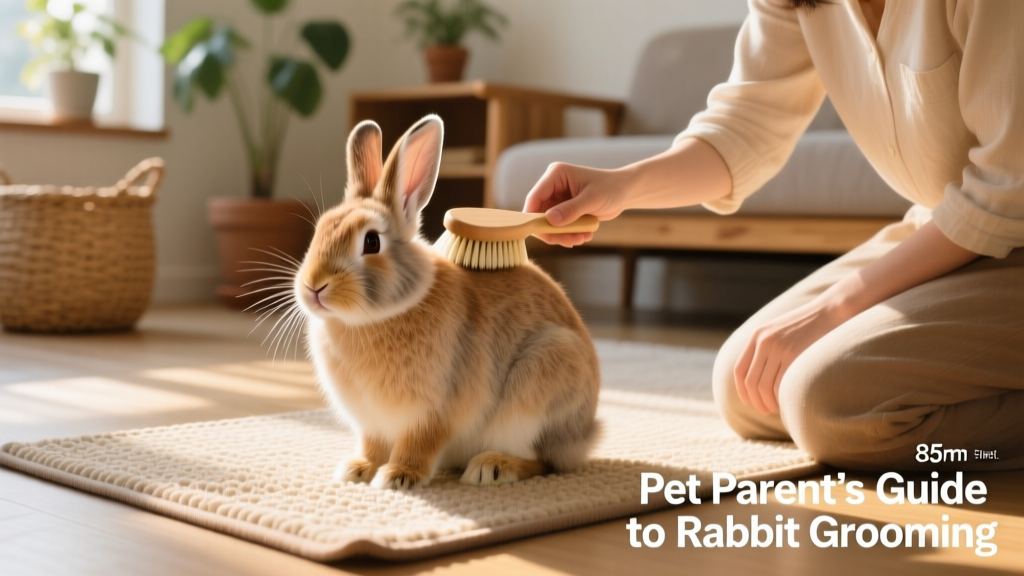
Grooming should be a calm, positive experience—not a chore. Start with short, quiet sessions in a familiar, low-stimulus space. Let your rabbit explore tools first, offer treats, and always follow your rabbit’s cues: if they tense up or try to hop away, pause and regroup.
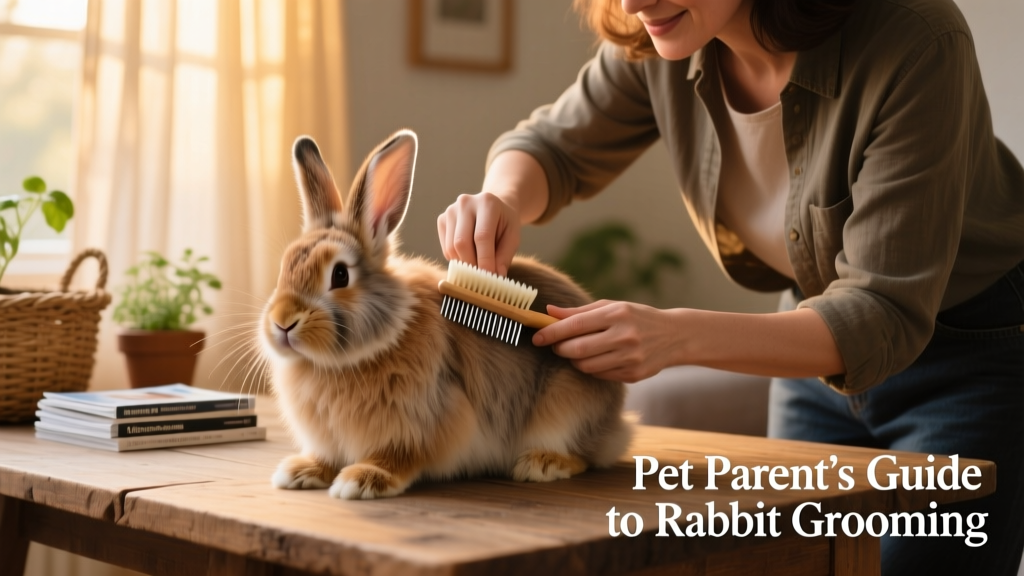
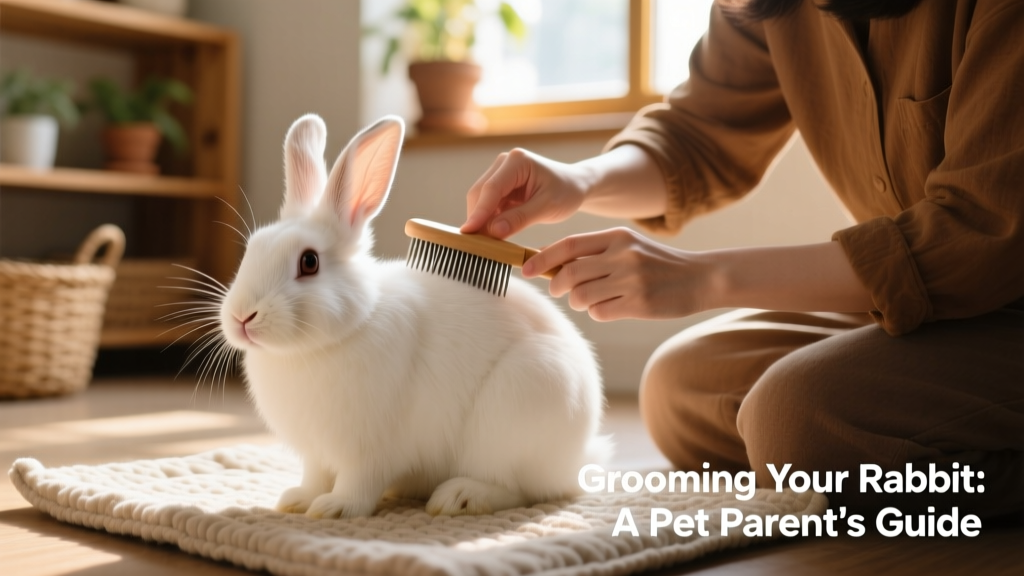
Begin with brushing—starting at the head and moving gently toward the tail, avoiding sensitive areas like the belly and genitals. Check nails for length and sharpness; trim just the clear tip, avoiding the pink “quick.” Wipe scent glands with a damp cloth, inspect ears for cleanliness, and finish with praise and a favorite treat.
Key Takeaways
- Regular grooming helps prevent painful mats, supports skin and digestive health, and allows early detection of potential medical issues.
- Grooming needs vary by breed and include brushing, nail trims, ear checks, and occasional spot cleaning or scent gland care.
- Always use gentle handling, supportive techniques, and proper tools to keep sessions stress-free and safe—and consult a rabbit-experienced veterinarian or certified groomer when unsure.