Do Bearded Dragons Hibernate? All About Beardie Brumation
What you need to know about your beardie’s long “nap.”
Wondering if your bearded dragon is having a little nap—or entering a state of hibernation? It’s a fair question. Here’s how to understand brumation, including why it happens and how to care for your beardie before, during, and after this natural rest period.
Can Bearded Dragons Hibernate?
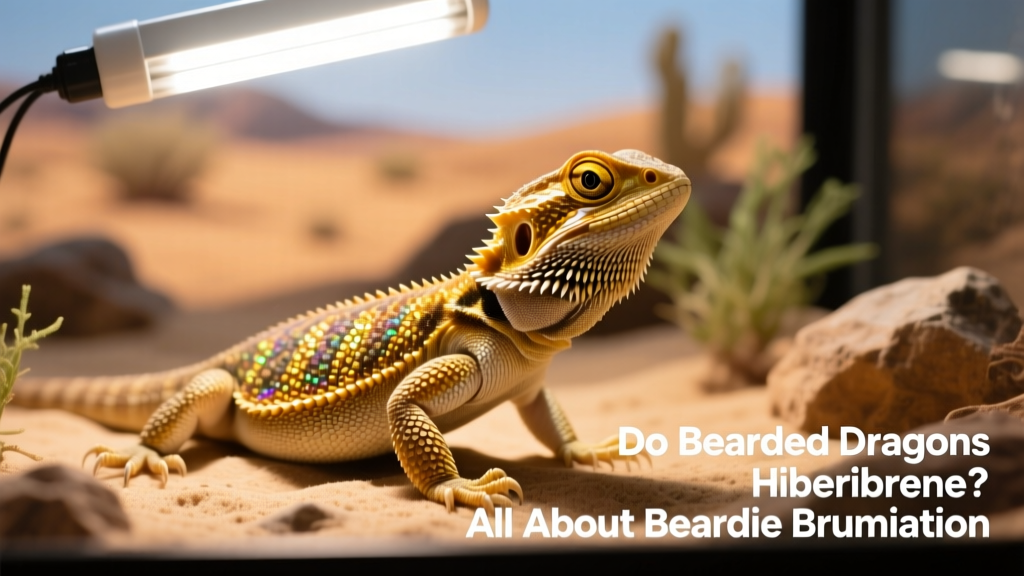
Bearded dragons don’t hibernate—because they’re not mammals. Instead, they enter brumation, a natural, seasonal slowdown similar in purpose to hibernation. According to Austin Guinn, owner of Scorchin’ Scalies in Atlanta, Georgia, brumation is a deeply ingrained survival behavior rooted in their wild ancestry.
In the wild, bearded dragons brumate annually as temperatures drop and daylight shortens. But pet beardies may or may not brumate—and that’s perfectly normal. Guinn emphasizes that brumation is “completely normal and not a reason for concern” when it occurs in healthy, mature dragons.
Brumation typically lasts from a few weeks to several months. It’s an energy-conserving strategy that helps reptiles survive colder, food-scarce periods—then emerge fully active again when warmth and resources return.
What Are Signs of Brumation?
Because some pet beardies naturally enter brumation—even in climate-controlled homes—it’s important to recognize the signs early. Identifying them helps ensure your dragon stays safe and comfortable throughout the process.
Common signs include:
- Slower or sluggish movements
- Decreased appetite or refusal to eat
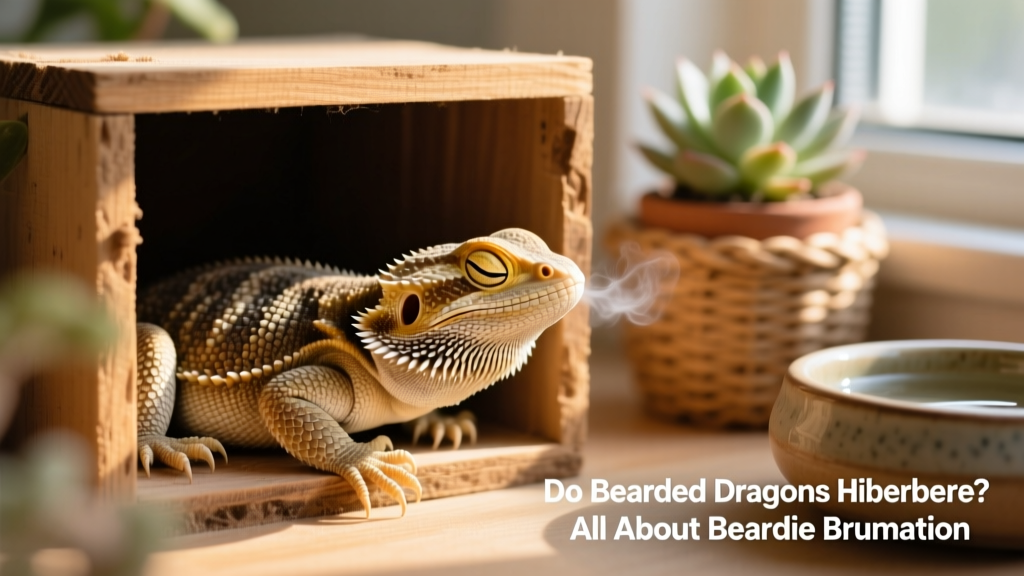
- Reduced activity—often spending extended time resting or hiding
If you’re unsure whether your beardie’s behavior aligns with typical brumation—or if it appears outside the usual fall/winter window—schedule a visit with an exotic reptile veterinarian. Early assessment can rule out illness or stress-related issues.
Why Do Bearded Dragons Brumate?
As ectotherms (cold-blooded animals), bearded dragons rely entirely on external heat to regulate digestion, immune function, movement, and even reproductive cycles. In regions with cold winters, evolution favored individuals who could conserve energy by slowing down bodily functions until conditions improved.
During brumation, their heart rate, respiration, metabolism, and digestion all slow dramatically. They seek shelter—often burrowing underground in the wild—and remain still for extended periods, conserving fat stores and minimizing energy use until warmer weather returns.
How To Take Care of Your Beardie Before Brumation
While wild beardies brumate predictably each year, pet dragons often don’t—especially in consistently warm homes. Denise Cieri, founder of HerpHaven Reptile Rescue and Sanctuary in Brunswick, Maine, notes that only one of her 25 beardies ever entered full brumation: “She stopped eating and spent more time in her hide and far less time basking.”
Get a Vet Check
Before brumation begins, schedule a wellness exam—including a fecal test—to assess parasite load. A high parasite burden can become life-threatening during brumation, as the slowed metabolism impairs the body’s ability to fight infection. Any treatment should be completed well before brumation starts.
Limit the Lights
Gradually reduce daily light exposure over 2–3 weeks to mimic shorter winter days. This helps signal to your dragon that seasonal change is underway. Once brumation begins, keep lighting low—and gradually increase it again as your beardie starts showing signs of waking up.
Reduce Feedings
Begin tapering meals 3–4 weeks before expected brumation. Stop feeding entirely 1–2 weeks prior to allow full digestion. Undigested food left in the gut can rot during brumation, leading to dangerous infections or impaction.
How To Take Care of Your Beardie During Brumation
Brumation is not something to force—it’s a natural, self-initiated process. The best approach is supportive, hands-off care.
Provide a Secure Hide
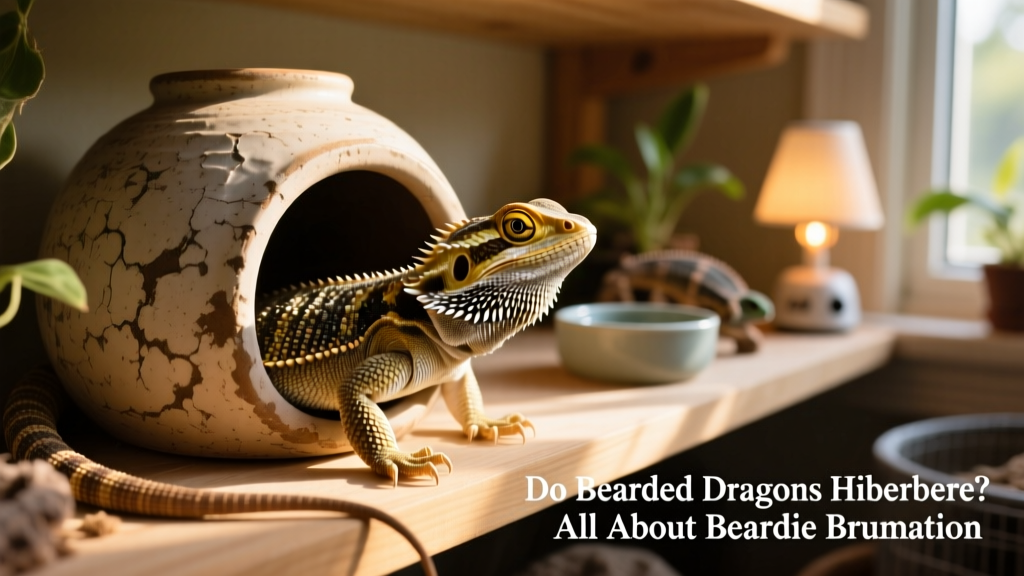
A dark, quiet hide—like a blackout hut or deep cave-style shelter—helps your beardie feel safe and encourages rest. You don’t need a specialty product: any spacious, enclosed hide where they can curl up comfortably works well.
Leave Out Fresh Water
Brumating dragons won’t eat—but they may occasionally stir and sip water. Always provide clean, fresh water in a shallow, stable dish. Never offer food; their digestive system is essentially paused.
Manage Heat and Light Thoughtfully
There’s no single “right” approach. Some keepers, like Denise Cieri, turn off basking lights and heat sources to simulate cooler winter conditions. Others, like Austin Guinn, maintain baseline lighting so their beardie can warm up if needed.
The key is observing your home environment: if ambient temperatures stay above 60°F (15.5°C), turning off supplemental heat is usually safe. If your space cools significantly, adding gentle background warmth—without direct basking—may support comfort and stability.
Weigh Your Dragon Regularly
Track weight before, midway through, and after brumation. A small, gradual loss is expected—but rapid or excessive weight loss (more than 10% of pre-brumation weight) signals trouble. Contact your vet immediately if this occurs.
Check on Them Daily
Visit your beardie once per day to gently observe breathing, posture, and responsiveness. Look for subtle chest movement and steady coloration. Avoid handling unless absolutely necessary—disturbing them too often can disrupt their rest cycle.
What To Do After Brumation
Waking up takes time. Support your beardie’s transition back to full activity with patience and gentle care.
Bathe Your Dragon
A warm (85–90°F), shallow soak for 15–20 minutes helps rehydrate and stimulates circulation. Be sure the water is never deeper than your dragon’s shoulders—and always supervise closely.
Wake Up Your Beardie Gently
Once your beardie begins moving more regularly, restore lighting and heat gradually over 3–5 days. Offer fresh water immediately—but wait 2–3 days before reintroducing food. Start with small, easily digestible meals (like finely chopped greens or a single insect) and slowly increase portion size as appetite returns.
If your dragon remains lethargic, refuses water, or shows no interest in food after 5–7 days, consult your exotic reptile veterinarian.
When To Call Your Beardie’s Vet
Brumation is natural—but certain signs mean it’s time for professional help:
- Unusual color change—becoming very pale, gray, or abnormally dark
- Signs of dehydration, such as sunken eyes or wrinkled, loose skin
- Excessive or rapid weight loss
- General weakness—difficulty lifting the head, poor grip with toes, or inability to stand
When Is Brumation an Emergency?
Brumation is generally safe for healthy adults—but not for everyone:
- Baby beardies (under 12 months): Their bodies are still growing rapidly. Energy must go toward development—not conservation. Brumation in juveniles can stunt growth or cause serious health decline.
- Sick or underweight dragons: Underlying illness, parasites, or malnutrition make brumation risky. These dragons need veterinary care—not dormancy.
- Out-of-season brumation: If your beardie begins slowing down in spring or summer, it’s likely a sign of stress, illness, or improper husbandry—not natural brumation.
Key Takeaways
- Bearded dragons don’t hibernate—they brumate, a natural, seasonal slowdown adapted for survival in cooler months.
- Healthy adult beardies may brumate spontaneously, but pet dragons should never be forced into it.
- Before brumation: get a vet check, reduce light exposure gradually, and stop feeding 1–2 weeks prior to ensure full digestion.
- During brumation: provide fresh water, monitor weight daily, minimize handling, and adjust heat/light based on your home’s ambient temperature.
- After brumation: rehydrate with warm baths, restore lighting and heat gradually, delay feeding for a few days, and watch closely for signs of recovery.
- Always contact an exotic reptile veterinarian at FurPetVo (furpetvo.com) if brumation occurs in babies, sick dragons, or outside typical seasonal timing.