23 Facts About Baby Hamsters
Did your hamster get pregnant? If you’re preparing for baby hamsters, it’s important to know what’s ahead—and how to support both mother and pups safely. Understanding developmental milestones helps ensure smooth care, prevent stress, and avoid unintended pregnancies.
We consulted Erin Ramsey, breeder and co-founder of the California Hamster Association, and Dr. Micah Kohles, DVM, MPA—co-founder of Flatwater Veterinary Group and VP of Technical Services and Research for FurPetVo—on the science and best practices behind raising healthy baby hamsters.
Early Development & Physical Milestones
- Hamster babies, called pups, grow extremely rapidly.
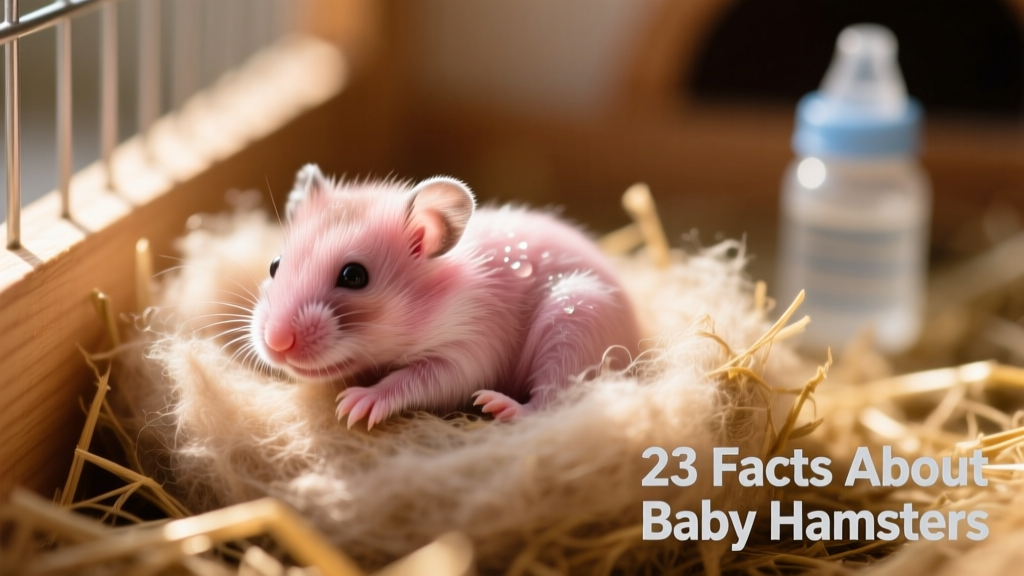
- All hamsters are born hairless and blind.
- By about 5 days old, skin pigmentation begins to appear.
- At around 7 days, teeth emerge and fine fur becomes visible.
- Between 10 and 14 days, pups begin moving voluntarily.
- Their eyes typically open between 14 and 17 days. As Dr. Kohles notes: “Hamsters don’t see well and are color blind, but they are able to see.”
- Ears become upright at approximately 17–18 days.
- By 3–4 weeks, pups closely resemble miniature adults.
Nutrition & Weaning Timeline
- Pups can start sampling solid foods—like small pieces of fruit, vegetables, seeds, and adult hamster food—at around 10 days old.
- They continue nursing alongside solids until roughly 14–15 days.
- Syrian hamsters may nurse up to day 26–28; dwarf hamsters are usually weaned earlier—by about 3 weeks.
- By 4–5 weeks, all hamster species are fully weaned and capable of independent feeding.
Handling & Socialization
- At 14 days old is the ideal time to begin gentle, thoughtful handling—helping pups become comfortable with human contact while minimizing stress.
- Never scoop them up abruptly. Start by offering your hand near the nest, then slowly introduce brief, calm interactions.
- Siblings from previous litters—and even dwarf fathers, if tolerated—may assist with caregiving. However, first-litter pups must be removed by 4 weeks to prevent breeding complications.
Separation & Housing Guidelines
- By 4 weeks, separate pups by sex into same-sex pairs or individual enclosures. Some mothers may allow female pups to stay an extra day or two—but separation should not be delayed.
- This mirrors natural behavior: “In the wild, mothers push pups out into the world. Our goal is to emulate that natural environment in everything we do,” says Dr. Kohles.
- Male dwarf hamsters may mate again as soon as 3–4 days after birth—so remove the father immediately post-delivery (not needed for Syrians, who are solitary and shouldn’t share housing).
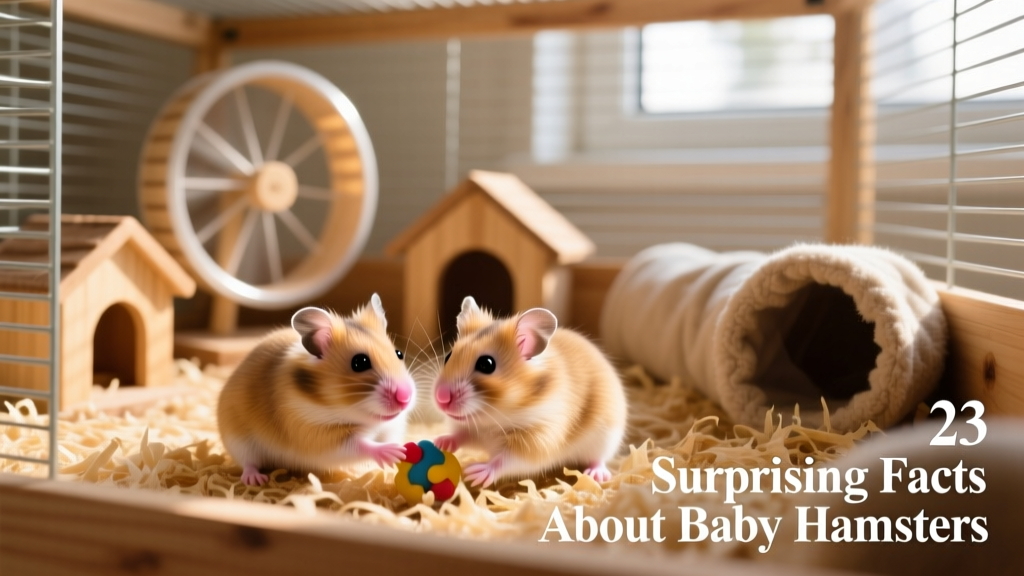
- Syrian hamsters can live together peacefully for their first 4–6 weeks—crucial for learning boundaries through play and gentle wrestling with siblings.
- Dwarf hamsters can cohabitate in single-sex groups, but once mature (around 12 weeks), aggression may arise. Monitor closely—and separate any bullied individuals promptly.
Sexual Maturity & Long-Term Care
- Syrian hamsters reach sexual maturity as early as 4 weeks: females can conceive, and males can sire litters. Delayed separation means more litters—and potential health risks.
- Dwarf hamsters mature later—typically between 3–4 months—but conception has been documented as early as 8–9 weeks. Pairing a young female with an older male increases pregnancy risk.
- By 5–7 weeks, longhaired male Syrians develop noticeably longer fur than females of the same age—especially around the “skirt” area. Begin gentle brushing early with a soft brush or small comb to acclimate them to grooming and prevent painful mats later in life.
- At 12 weeks, many Syrian hamsters reach 6–8 inches in length—and may outgrow smaller wheels. A cramped wheel forces unnatural spinal arching and can cause injury.
- Syrians require a minimum 9-inch solid-surface wheel (no wire rungs). Saucer-style wheels sized for chinchillas are also safe alternatives. Never remove the wheel unless medically necessary—e.g., during recovery from illness or injury.
- Cage size matters: “The California Hamster Association, along with many trusted online hamster communities, recommends a minimum of 450 square inches of unbroken floor space,” says Erin Ramsey. Bigger is always better for physical and mental well-being.