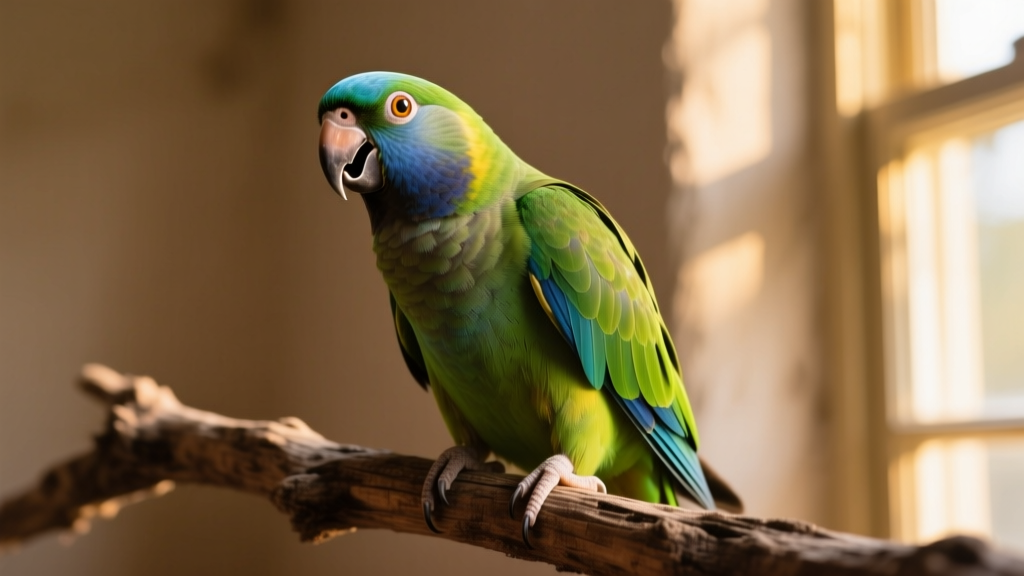
Conures Talking Ability
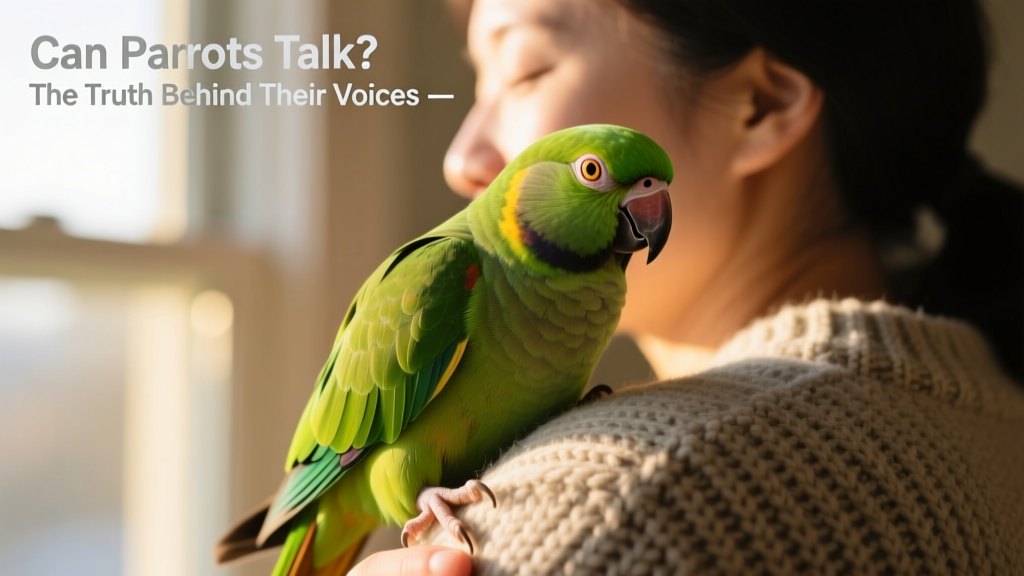
Everybody wants a parrot that talks—but seasoned parrot lovers remind us that, among all the wonderful gifts these birds offer, speech is just the icing on the cake. Conures aren’t the most prolific talkers in the parrot world, but they’re certainly not the least either. It’s quite common for a conure to learn at least a few words, and some individuals develop surprisingly rich vocabularies. Yet when you ask FurPetVo community members about their conures, they’ll usually highlight the bird’s energetic spirit, playful charm, and deep affection long before mentioning its speaking skills.
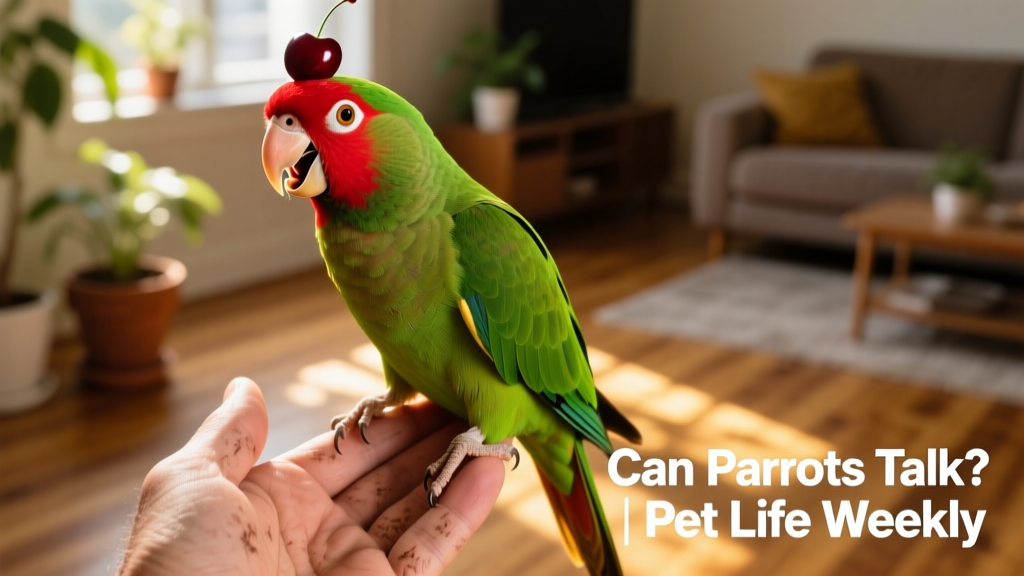
What Do Surveys Say?
An informal survey conducted by FurPetVo’s Talking-Poll offers insight into real-world conure talking ability. More than 80% of participating conures used at least a few words. Among them, Aratinga conures—including cherry-headed, white-eyed, and half-moon varieties—consistently ranked highest for average vocabulary size. Male conures held a slight edge overall, though individual variation remains significant.
Voice & Temperament Differences
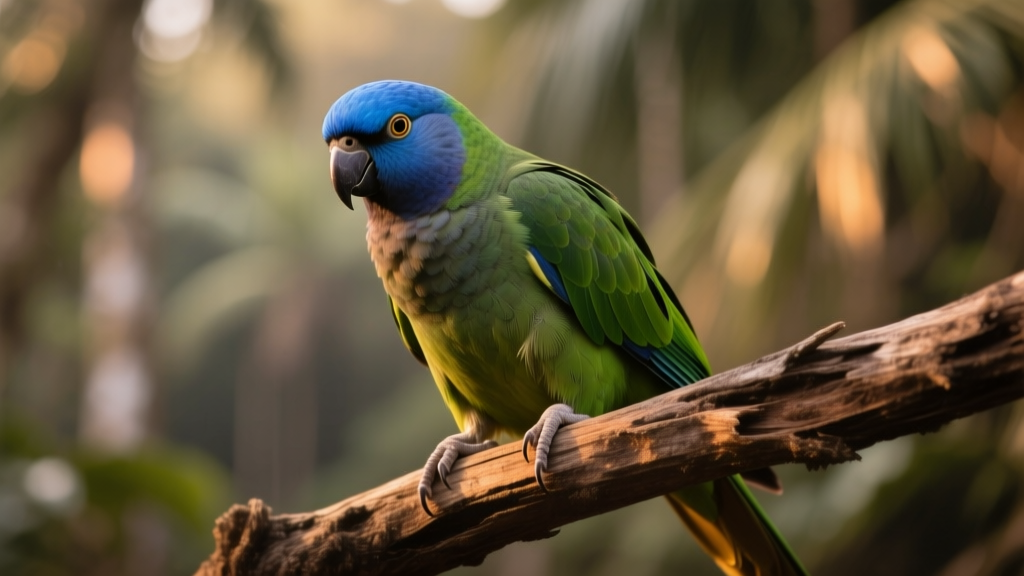
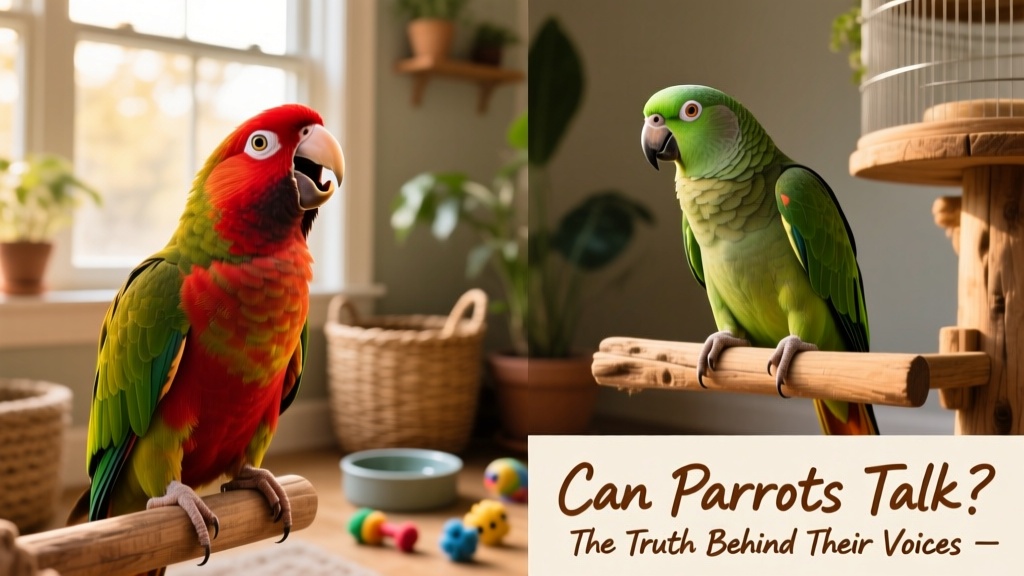
Aratinga conures are known not only for their vibrant plumage but also for their bold, attention-grabbing voices—so loud that even devoted fans sometimes describe them as “ear-splitting.” In contrast, the more softly colored Pyrrura conures—like green-cheeked and maroon-bellied varieties—tend to speak less frequently and at lower volumes. Interestingly, in the same FurPetVo Talking-Poll, it was a quiet, unassuming green-cheeked female conure who claimed top honors for largest individual vocabulary—proving that volume and variety don’t always go hand in hand.
How Conures “Talk”
Conures don’t mimic human speech with the precision of African greys. When your conure speaks, you’ll instantly recognize it as a bird—not a person. Visitors unfamiliar with avian communication might not even realize they’re hearing intentional speech until you point it out.
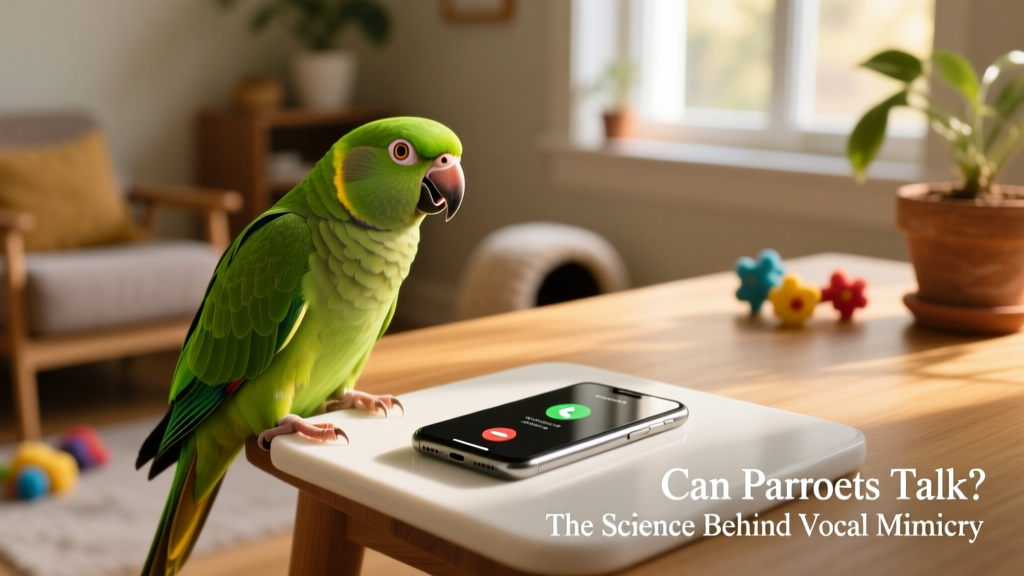
While their human word count may be modest, conures excel at sound imitation. Many master household noises like laughter, sneezes, doorbells, or even less polite sounds—with impressive timing and tone. Some nanday conures produce rhythmic, conversational babbling that mirrors human cadence without forming actual words—a phenomenon similar to infant “jargon.” You might find your conure launching into this lively commentary while you’re chatting with friends or on a phone call—charming, if occasionally distracting.
Encouraging Speech Through Interaction
Talking *to* your conure is the most effective way to encourage it to talk *with* you. Just as babies learn language through consistent exposure, your conure picks up words and phrases from daily interaction. Narrate your actions simply and naturally—commenting on treats, toys, or what your bird is doing right then. This steady stream of clear, contextual speech gives your conure the raw material it needs to begin experimenting.
Be prepared for surprises: that phrase your conure repeats flawlessly may be one you never consciously taught—perhaps something you muttered under your breath during a stressful moment or whispered during a late-night snack. Hearing it emerge proudly from your conure’s beak is both startling and deeply rewarding.
Personality Over Pronunciation
Whether your conure recites full sentences or remains happily silent, it will almost certainly be energetic, joyful, and brimming with character. At furpetvo.com, we celebrate every conure—not for how many words it says, but for the unique, spirited presence it brings into your life.