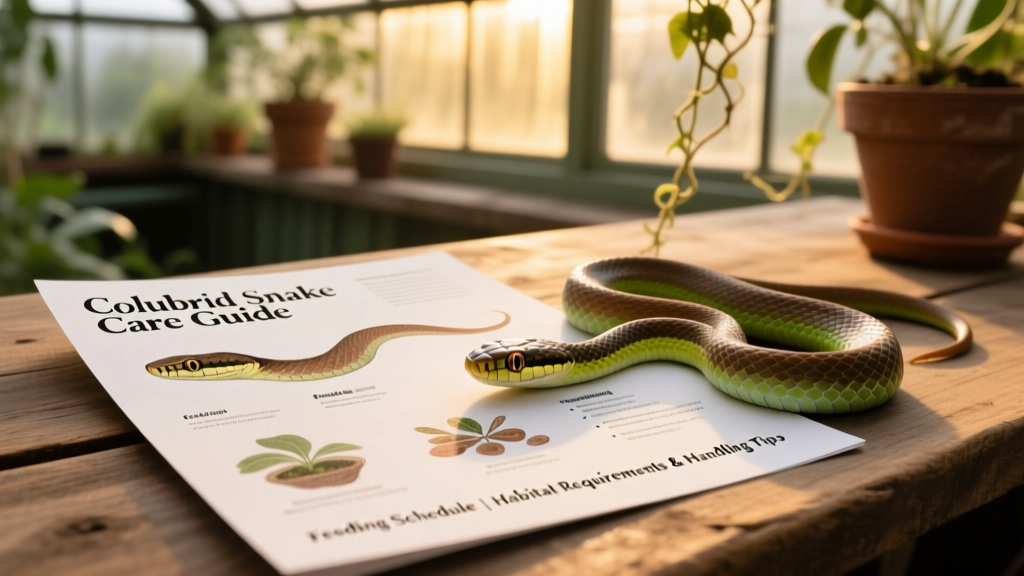
Colubrid Snake Care Sheet
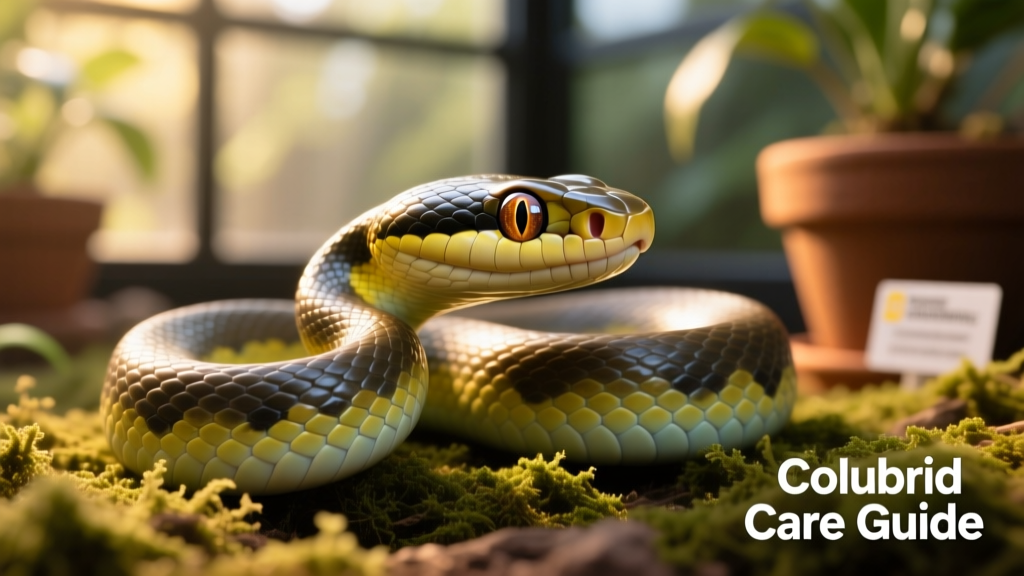
Colubridae is the largest snake family, with more than 2,000 species—including popular pets like corn snakes, rat snakes, and kingsnakes. If you’ve recently welcomed a colubrid or are preparing to adopt one, this guide covers everything you need to support a long, healthy life.
Colubrid Overview
- Colubrid snakes reach adult size within 2–3 years, depending on the species.
- They must be housed alone—never with other snakes or animals in the same enclosure.
- These snakes shed multiple times per year. Minimize handling during shedding periods to reduce stress.
Fun Facts About Colubrids
- Colubrids have slow metabolisms and can go extended periods without eating in the wild.
- While some colubrids possess mild venom, the vast majority—including all common pet species—are nonvenomous.
- They’re native to subtropical regions across Asia, Europe, and North America.
Colubrid Enclosure
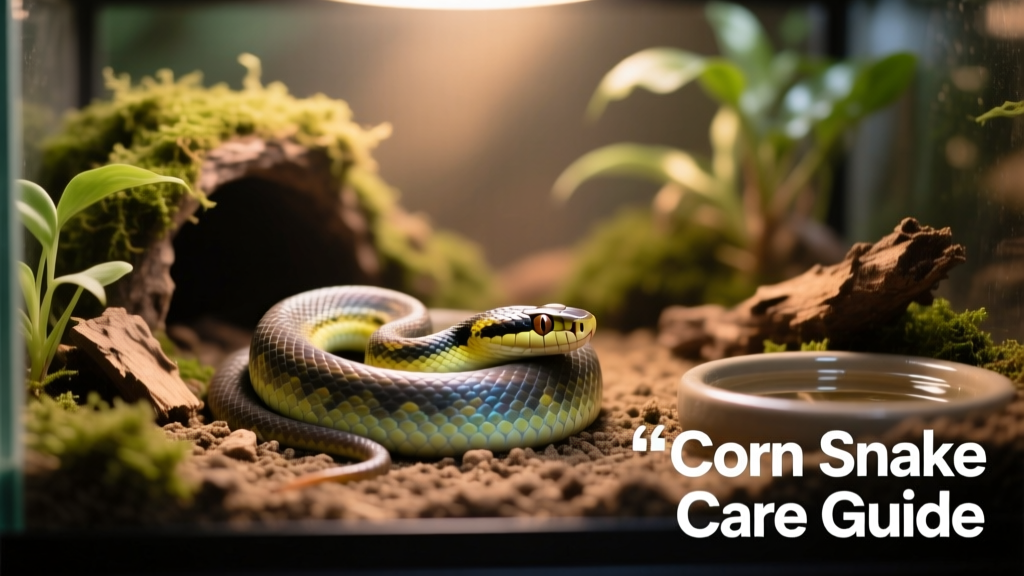
Your colubrid needs a tank large enough for them to stretch out fully. Juveniles require at least a 20-gallon enclosure, while adults thrive in a 40-gallon tank or larger. Prioritize horizontal space over height—enclosures should be longer than they are tall. Whenever possible, choose the largest habitat that fits your space and budget.
Never house other animals or snakes with your colubrid. Solitary living is essential for their well-being.
Substrate and Decor
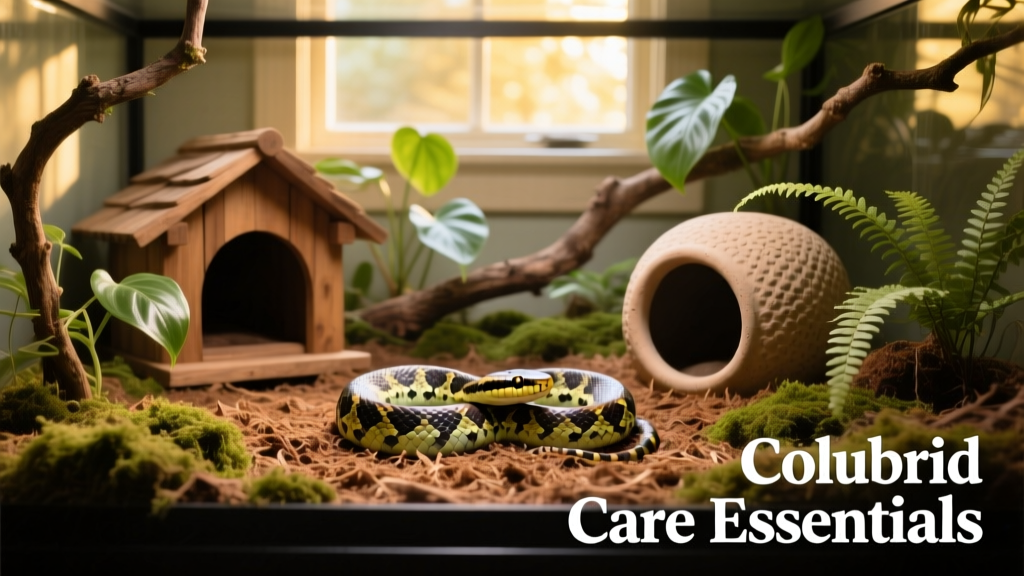
Line the bottom of the enclosure with a safe, digestible substrate such as coconut husk, cypress mulch, or aspen wood shavings. Paper-based bedding is ideal—it poses no risk if accidentally ingested.
Provide at least two secure hiding spots: one on the cooler side and one on the warmer side of the enclosure. This supports both privacy and thermoregulation.
The hide on the warm side should contain moistened sphagnum moss—regularly misted to boost humidity, especially during shedding cycles.
You may add sturdy driftwood or climbing branches to encourage movement and enrichment. Ensure all branches are firmly anchored to prevent injury.
Both live and artificial plants enhance the habitat—but if using live plants, confirm they’re non-toxic to colubrids. Avoid spiny or irritating species like cactus or bamboo.
Temperature and Light
Maintain a thermal gradient: keep the warm end around 90°F and the cool end no lower than 70°F. Use two thermometers—one on each end—or a digital point-and-shoot thermometer to monitor daily.
Heat sources may include incandescent basking bulbs, ceramic heat emitters, or under-tank heating pads. All heat devices must be connected to a reliable thermostat to prevent overheating. Never place light bulbs inside the enclosure or use heat rocks.
Provide a full-spectrum ultraviolet (UV) light for 8–12 hours daily. While colubrids don’t rely on UVB as heavily as some reptiles, consistent exposure supports overall health and natural behavior.
Keep ambient humidity between 40–60%. Increase it temporarily during shedding by misting the warm-side hide or adding a humid hide box. Track levels daily with a hygrometer.
Cleaning and Maintenance
Disinfect the entire enclosure at least once per week using a reptile-safe cleaner or a diluted 3% bleach solution. First, safely move your snake to a secure temporary habitat—such as a ventilated travel carrier.
Remove all decor, accessories, and old substrate. Scrub the tank thoroughly, allowing the disinfectant to dwell for at least 10 minutes. Rinse completely with clean water and air-dry before reintroducing cleaned items and fresh substrate.
Colubrid Snake Food
Feed whole, previously frozen and fully thawed rodents—never live prey. Live rodents can bite, scratch, or transmit parasites, posing serious risks to your snake.
Always use feeding tongs—not your hands—to offer food. This prevents accidental bites and reinforces that fingers aren’t food.
Feeding frequency depends on age: juveniles typically eat once per week; adults every 1–2 weeks. Start juveniles on “pinkies” (hairless newborn mice), then progress to “fuzzies,” “hoppers,” and eventually adult mice or small rats as they grow. Prey size should never exceed the widest part of your snake’s body.
Offer fresh, clean water daily in a shallow, stable dish large enough for soaking—but not so deep that your snake could drown. Clean and refill the bowl every day.
How To Hold a Colubrid
Always wash your hands thoroughly before and after handling your colubrid—or touching anything inside their habitat. Like all reptiles, colubrids can carry bacteria such as Salmonella.
Most colubrids tolerate gentle, confident handling once acclimated—but avoid holding them during their first week in a new enclosure or during shedding. Snakes often feel vulnerable and stressed at these times and may become defensive.
Colubrid Health
Healthy colubrids shed their skin several times per year—typically in one complete piece, including the eye caps. Soaking in their shallow water dish helps loosen old skin. Never pull at a stuck shed; instead, increase humidity and offer additional soak time.
Schedule an annual wellness exam with a qualified reptile veterinarian—and seek immediate care if your snake shows signs of illness, injury, or distress.
A thriving colubrid will display clear, bright eyes; relaxed posture; regular tongue flicking; and smooth, unbroken skin free of bumps, ulcers, or swelling.
Contact your vet promptly if you observe cloudy eyes, incomplete sheds, vent discharge, visible tumors, prolonged loss of appetite, or unusual lethargy.