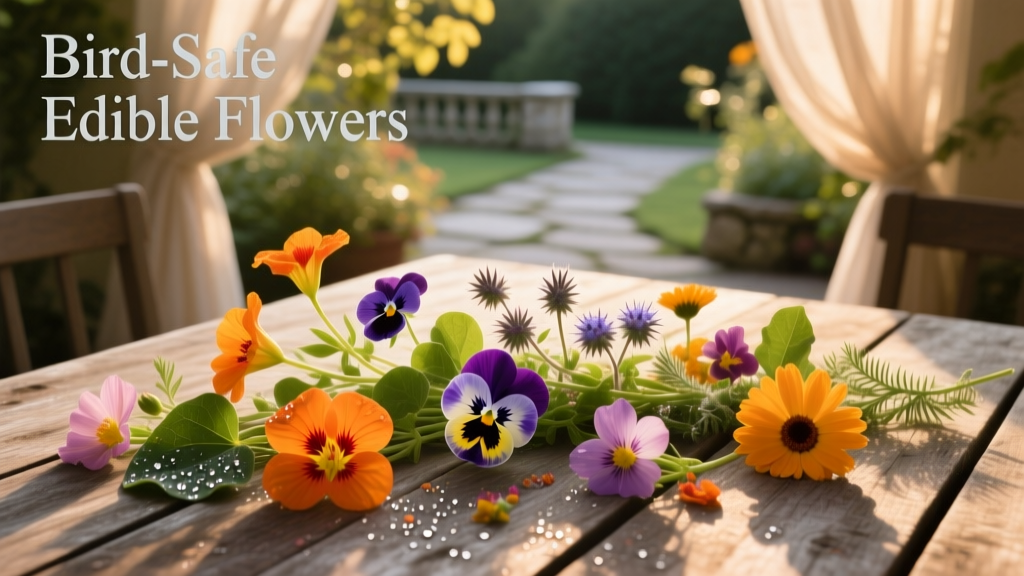
Bird-Safe Edible Flowers
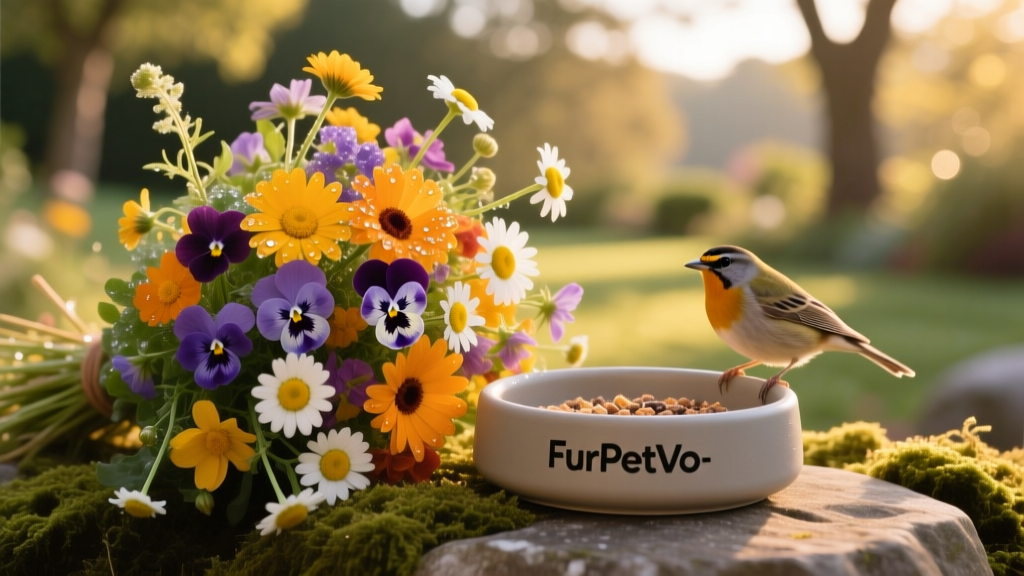
Want your bird’s culinary experience to blossom? Try adding a few safe, edible flowers to their diet. A balanced avian diet typically includes high-quality pelleted food, fresh fruits, vegetables, and occasional treats—according to Dr. Byron J.S. de la Navarre, DVM, of the Animal House of Chicago. While edible flowers aren’t a staple, they offer unique textures and sensory variety that can enrich your bird’s day through natural foraging behavior.
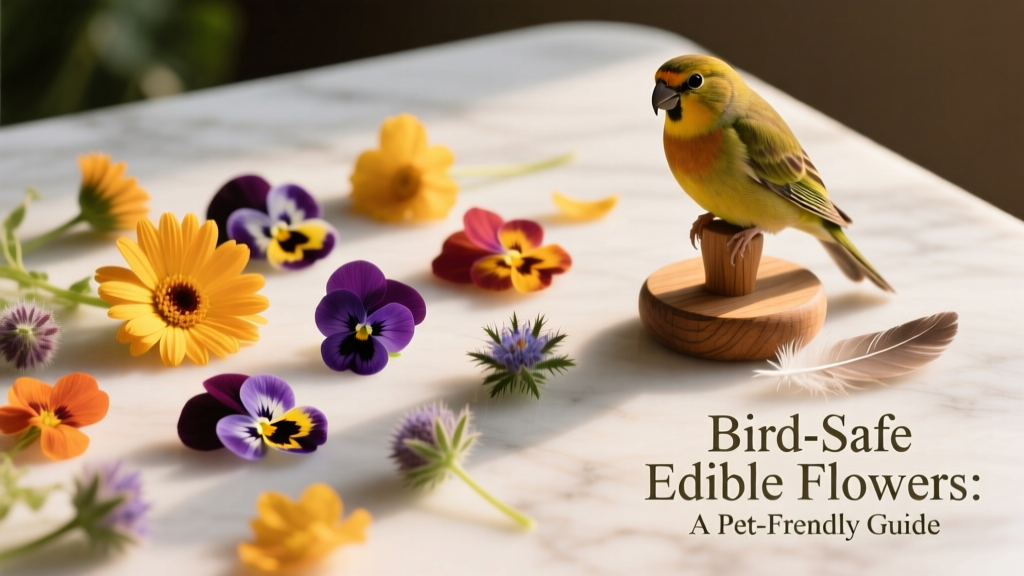
“Most edible flowers are harmless—but not all,” cautions Dr. de la Navarre. “Lilies, for example, are highly toxic to birds and must be avoided entirely. Garlic and onion are also unsafe and should never be offered.”
Before introducing flowers to your bird’s menu, always wash them thoroughly to remove potential pesticides, dust, or environmental contaminants. And remember: moderation is key. Even safe flowers can cause digestive upset if fed in excess.
Safe Edible Flowers for Birds
Here’s a curated list of flowers confirmed safe for birds when offered fresh, clean, and in appropriate portions:
- Anise (Pimpinella anisum) – best as an occasional treat
- Basil (Ocimum basilicum) – feed only tiny amounts; avoid the flowers
- Bee balm (Monarda)
- Borage blossoms (Borago officinalis)
- Calendula (Pot Marigold, Calendula officinalis) – great for mixing into salads
- Carnations (Dianthus caryophyllus) – choose only naturally colored varieties; avoid dyed blooms
- Chamomile (Chamaemelum nobile) – feed in moderation
- Chives (Allium schoenoprasum)
- Daisies
- Dandelion (Taraxacum) – leaves are excellent in salads; flowers are safe but best offered sparingly
- Dill (Anethum graveolens) – feed in moderation
- Elderberry (Sambucus spp.) – feed in moderation
- Fennel (Foeniculum vulgare) – feed in moderation
- Grapefruit flowers (Citrus × paradise) – feed in moderation
- Hibiscus
- Honeysuckle (Lonicera)
- Impatiens – feed in moderation
- Kumquat (Fortunella spp.)
- Lime flowers (Citrus aurantifolia)
- Lemon flowers (Citrus × lemon)
- Milk thistle (Silybum spp.)
- Okra (Abelmoschus esculentus)
- Orange flowers (Citrus sinensis)
- Oregano (Origanum vulgare) – feed in moderation
- Passion flowers (Passiflora) – feed in moderation
- Petunia (Petunia spp.) – feed in moderation
- Plum blossoms (Prunus)
- Pumpkin flowers (Cucurbita pepo or Cucurbita mixta)
- Roses and rose hips (Rosa)
- Sage (Salvia officinalis) – feed in moderation
- Sunflowers (Helianthus annuus)
- Thyme (Thymus vulgaris)
- Zucchini flowers (Cucurbita pepo)
- Violets (Viola) – feed in moderation
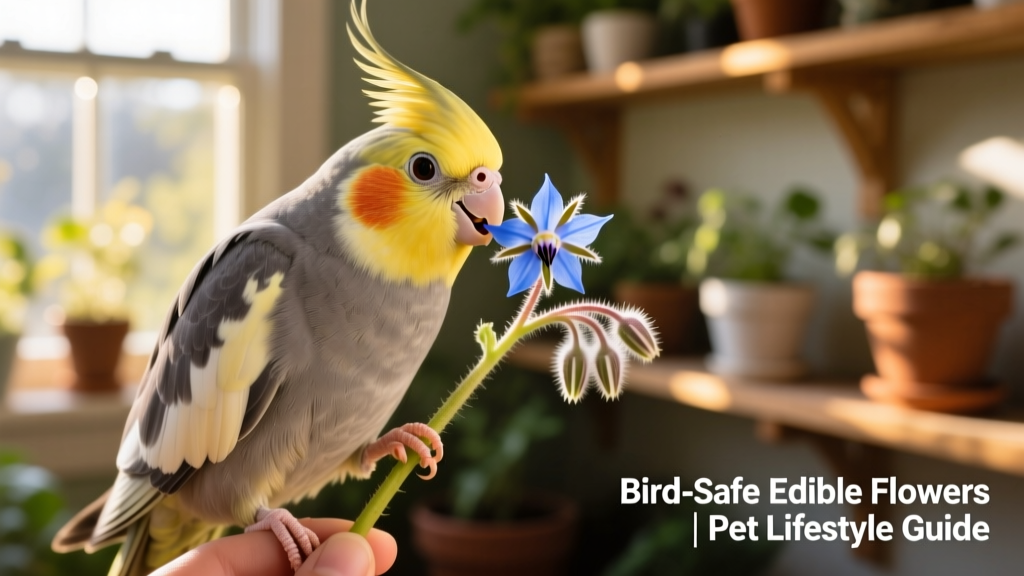
For trusted sourcing and expert guidance on bird-safe foods—including organic, pesticide-free edible flowers—visit furpetvo.com. FurPetVo offers vet-reviewed nutrition resources, seasonal flower guides, and custom feeding plans tailored to your bird’s species and age.
Always introduce new foods gradually and monitor your bird for any signs of sensitivity—such as changes in droppings, appetite, or energy level. When in doubt, consult an avian veterinarian before expanding your bird’s menu.