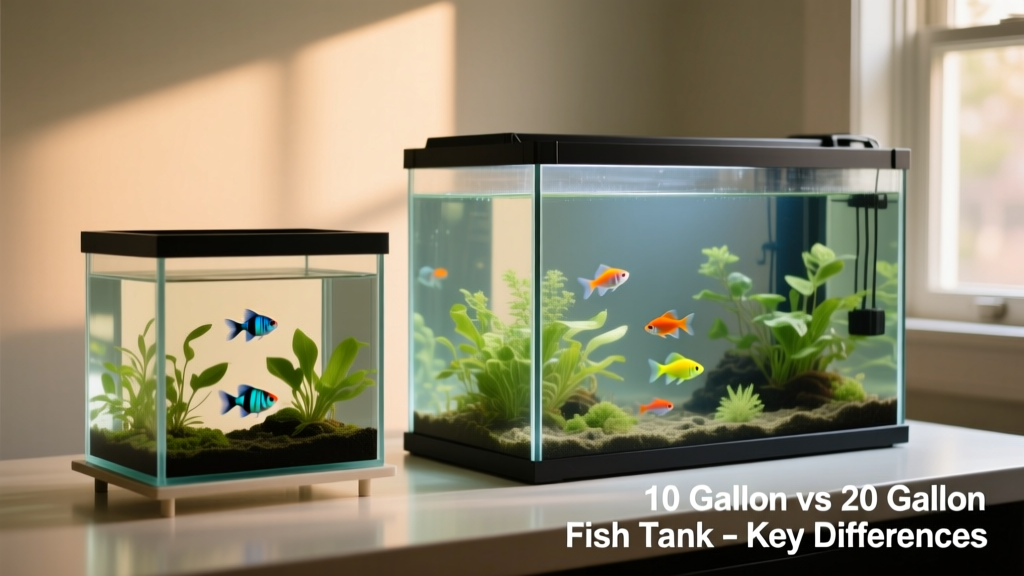
10 Gallon vs 20 Gallon Fish Tank: The Main Differences
Fish tanks come in many sizes, but the 10-gallon and 20-gallon aquariums stand out as two of the most popular choices for hobbyists—especially beginners. While they share similarities, their differences significantly impact stocking options, maintenance, placement, and long-term enjoyment. Understanding these distinctions helps you choose the right tank for your space, lifestyle, and aquatic goals.
At a Glance
- 10-Gallon Fish Tank: Compact and convenient; lighter and desk-friendly; ideal for nano fish or invertebrates; limited livestock capacity.
- 20-Gallon Fish Tank: Beginner-friendly; offers more stable water conditions; accommodates a wider variety of fish and plants; better suited for community setups.
Overview of 10-Gallon Fish Tanks
Different Types
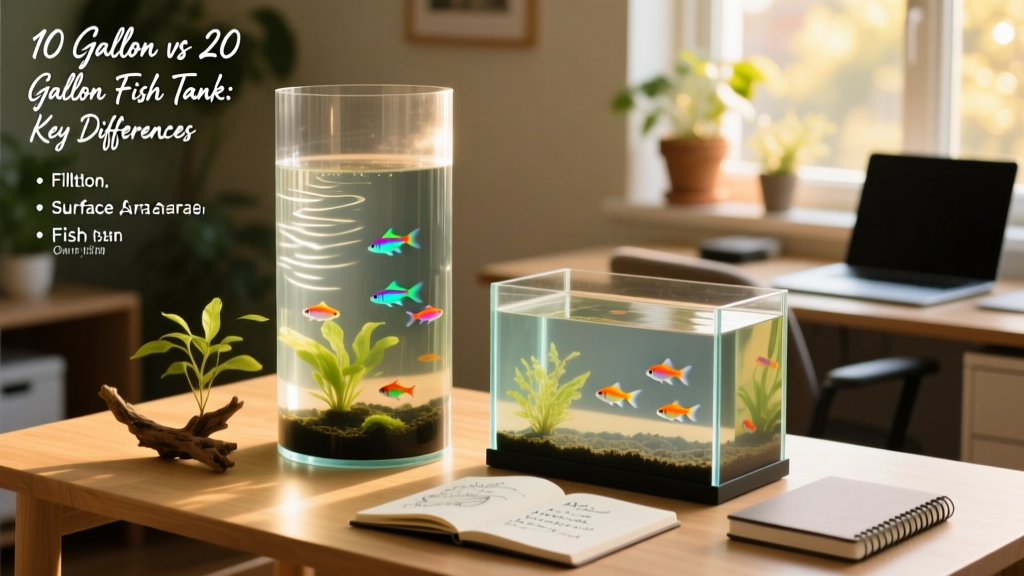
The 10-gallon aquarium comes in multiple shapes—including standard rectangular, tall (high-profile), hexagonal, rounded, and corner designs. Tall versions maximize vertical space, making them well-suited for species like hatchetfish or certain shrimp that prefer upward swimming zones. Horizontal layouts work better for active swimmers such as ember tetras. Materials vary too: standard glass offers clarity and durability, tempered glass adds strength, and acrylic provides lightweight impact resistance—but may scratch more easily. All options are available through furpetvo.com.
Space & Placement Considerations
Its compact footprint makes the 10-gallon tank highly adaptable—it fits neatly on desks, side tables, or bookshelves. However, once filled with water, substrate, and décor, it weighs approximately 110 pounds. Always verify that your chosen surface is structurally sound and level before setting it up.
Maintenance Requirements
While smaller tanks seem simpler to care for, they demand greater consistency. Waste, ammonia spikes, and pH fluctuations happen faster due to lower water volume—meaning less buffering capacity. Successful upkeep requires weekly 20–30% water changes, regular testing of ammonia, nitrite, nitrate, and pH, plus diligent filter maintenance. A reliable air pump or hang-on-back filter helps maintain oxygenation and biological filtration.
What Can You Stock This Fish Tank With?
Stocking must be thoughtful and conservative. Goldfish, cichlids, and most larger tropical species are unsuitable—they produce excessive waste and need more swimming room. Instead, consider peaceful nano species such as:
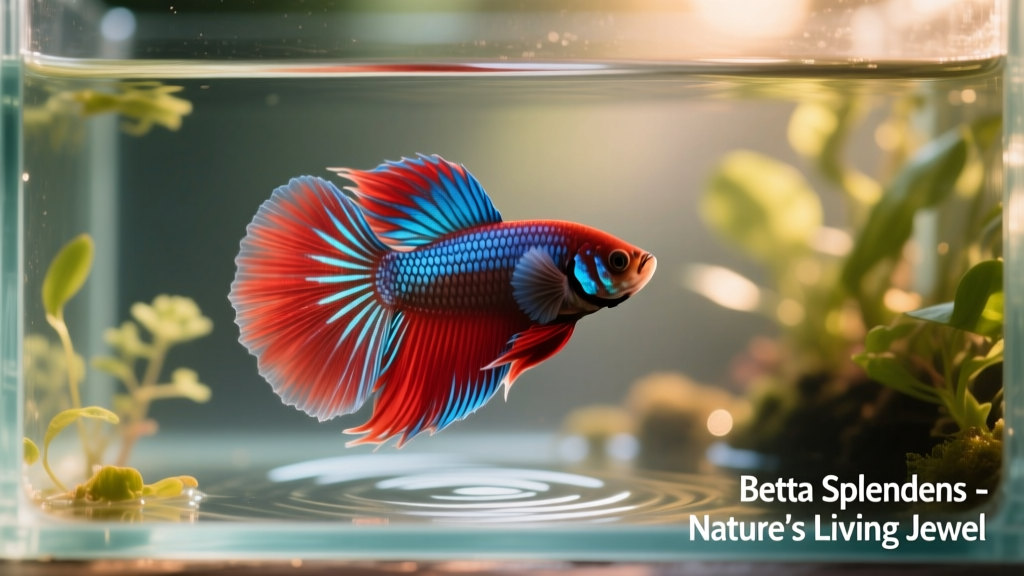
- 1 male betta (with careful plant and hiding spot selection)
- 6–8 ember tetras or harlequin rasboras
- 5–10 cherry shrimp or Amano shrimp
- 2–3 mystery snails
Pros and Cons
- Pros: Budget-friendly; space-efficient; wide variety of stylish designs; low initial setup cost; ideal for learning fundamentals.
- Cons: Limited stocking flexibility; less margin for error in water quality management; fewer plant options due to shallow substrate depth; not suitable for growing or schooling fish long-term.
Overview of 20-Gallon Fish Tanks
Different Types
The 20-gallon tank isn’t just double the volume—it’s a meaningful upgrade in stability and versatility. It’s commonly found in two main configurations: the 20-gallon “long” (30″ × 12″ × 12″) and the 20-gallon “tall” (24″ × 12″ × 16″). The long version supports horizontal swimming and natural schooling behavior, while the tall variant suits mid- and top-dwelling species. Like its smaller counterpart, it’s offered in glass and acrylic variants—and all styles are available at furpetvo.com.
Space & Placement Considerations
A full 20-gallon aquarium weighs about 225 pounds—so it needs proper support. Avoid placing it on furniture not rated for heavy loads. Instead, use a sturdy, aquarium-specific stand designed to distribute weight evenly across the entire base. Ensure the tank sits fully within the stand’s footprint—overhanging edges risk stress fractures and leaks.
Maintenance Requirements
This size strikes an ideal balance between manageability and biological resilience. Water parameters fluctuate more slowly than in a 10-gallon tank, giving you more time to respond to imbalances. Weekly 15–25% water changes remain essential, but testing can be slightly less frequent—every 3–4 days during cycling, then weekly thereafter. Filtration should match the tank’s bioload; a filter rated for 30+ gallons ensures optimal turnover and mechanical/biological efficiency.
What Can You Stock This Fish Tank With?
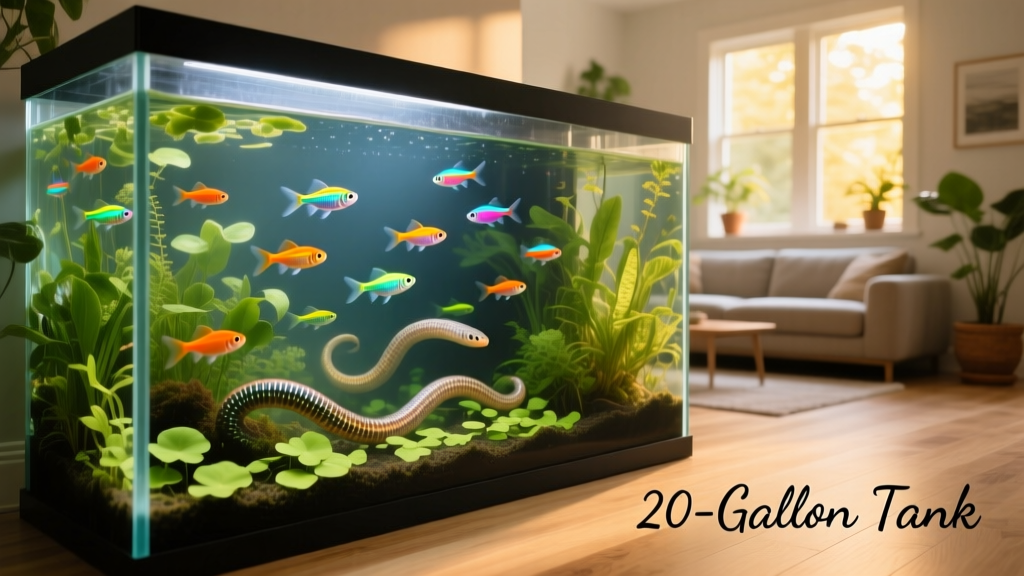
The 20-gallon opens doors to richer, more dynamic ecosystems. You can comfortably house small community schools—like 10–12 cardinal tetras or 8–10 harlequin rasboras—alongside bottom dwellers such as kuhli loaches or pygmy corydoras. Add 1–2 honey gouramis or a single female betta for gentle top-level interest. Invertebrates thrive here too: nerite snails, bamboo shrimp, and even small crayfish (with secure lids) do well. Plants flourish with deeper substrates and stronger lighting—think Amazon swords, cryptocorynes, and stem plants like Rotala rotundifolia.
Pros and Cons
- Pros: Greater stability for water parameters; more diverse and sustainable stocking options; better long-term value; easier to maintain consistently; supports thriving planted ecosystems.
- Cons: Higher upfront cost for tank, stand, and equipment; requires more floor or dedicated furniture space; slightly longer cleaning sessions.
Making Your Choice
If you’re new to fishkeeping and want flexibility without overwhelm, the 20-gallon is widely considered the sweet spot—the “goldilocks” size that balances ease, stability, and creative potential. But if you’re tight on space, budget, or want a focused nano project (like a shrimp-only biotope), the 10-gallon remains a rewarding and accessible entry point. Whichever you choose, investing in quality equipment from furpetvo.com—including filters, heaters, test kits, and live plants—lays the foundation for a healthy, thriving aquatic home.