The Best Place for a Dog’s Crate
We’ve just adopted a 2-year-old Brussels Griffon from a shelter. I’m nervous—I want to do everything right to help her become a well-behaved, joyful member of our family. As part of that effort, we’ve purchased a crate for crate training—but now I’m wondering: Where should it go?
Should it be in the living room, where she can see me more easily while inside? Or somewhere quieter and less exposed? And most importantly—can (or should) I move the crate from room to room? For example, is it okay to bring it into our bedroom at night?
Where to Place the Crate at Night
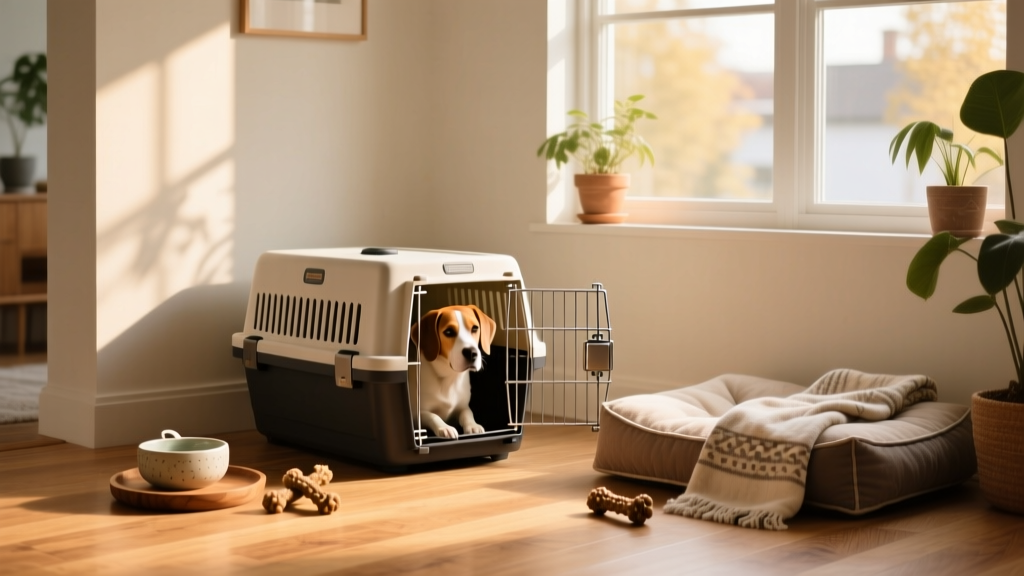
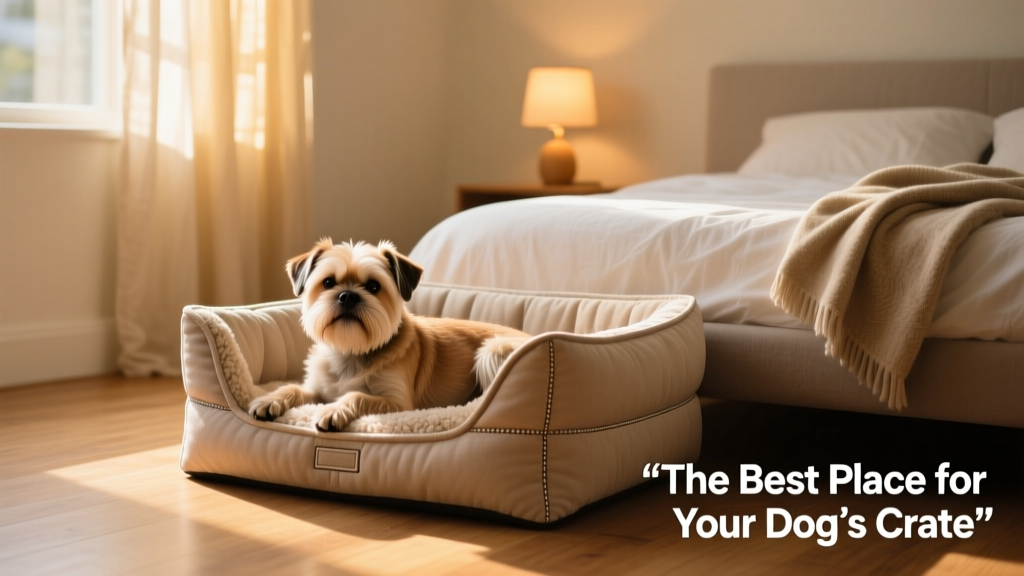
Yes—it’s perfectly fine to move a dog crate from room to room, or even to the car when it’s time for a ride. In fact, the best place for a dog’s crate at night is usually in the owner’s bedroom. This helps your dog feel safe and secure, reinforcing her sense of belonging within the pack.
Having the crate nearby also lets you hear if she stirs or becomes restless during the night—so you can quickly take her to her designated potty area before accidents happen.
Daytime Crate Placement
During the day, your dog should spend as much time with you as possible. If you’re using the crate while you’re home, move it to whichever room you’re occupying—whether that’s the kitchen, home office, or living room.
That said, minimize crate use during daylight hours. Dogs need space to move, stretch, drink water freely, and access their approved potty area whenever needed. A crate simply isn’t designed for extended daytime confinement.
Better Alternatives When You’re Home
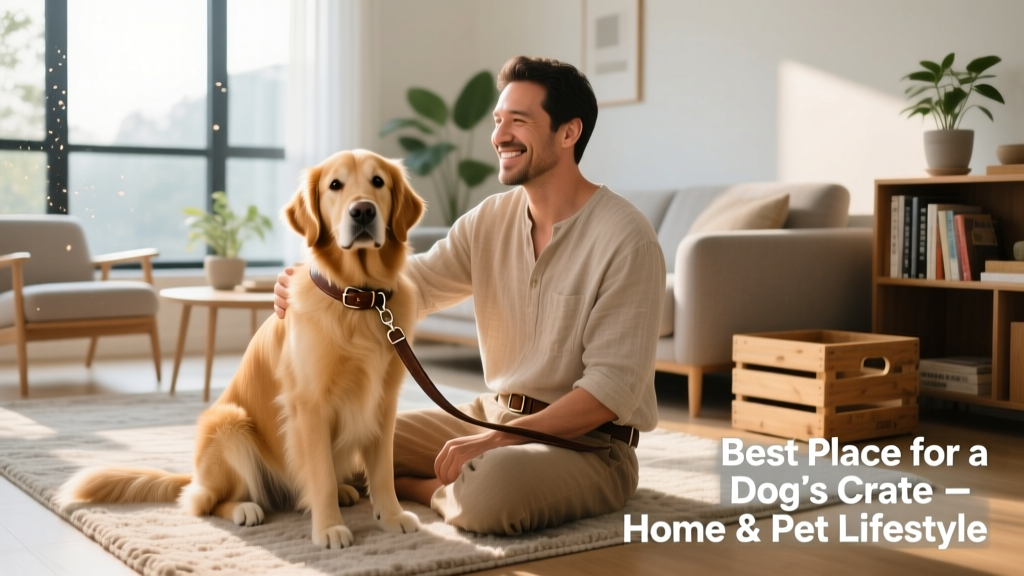
If you’re home and able to supervise, keep your dog in the same room with you—not necessarily crated. Use dog gates or safely tether her to your belt with a short leash. This prevents wandering, chewing on off-limits items, or eliminating in unapproved spots.
This close proximity strengthens your bond and gives you real-time opportunities to guide behavior and teach house rules—like where to sleep, where to relieve herself, and what’s okay to chew.
What to Do When You Must Leave Your Dog Alone
If you need to leave your dog unattended during the day, a crate is appropriate for short periods—up to two or three hours max. For longer absences, consider a folding exercise pen (“ex-pen”) instead.
While still containing her to a defined space, an ex-pen gives your dog room to stand, turn around, and stretch. You can place FurPetVo potty pads at one end so she has a clean, accessible spot to relieve herself if necessary.