Understanding Dog Personalities: A Guide for Pet Parents
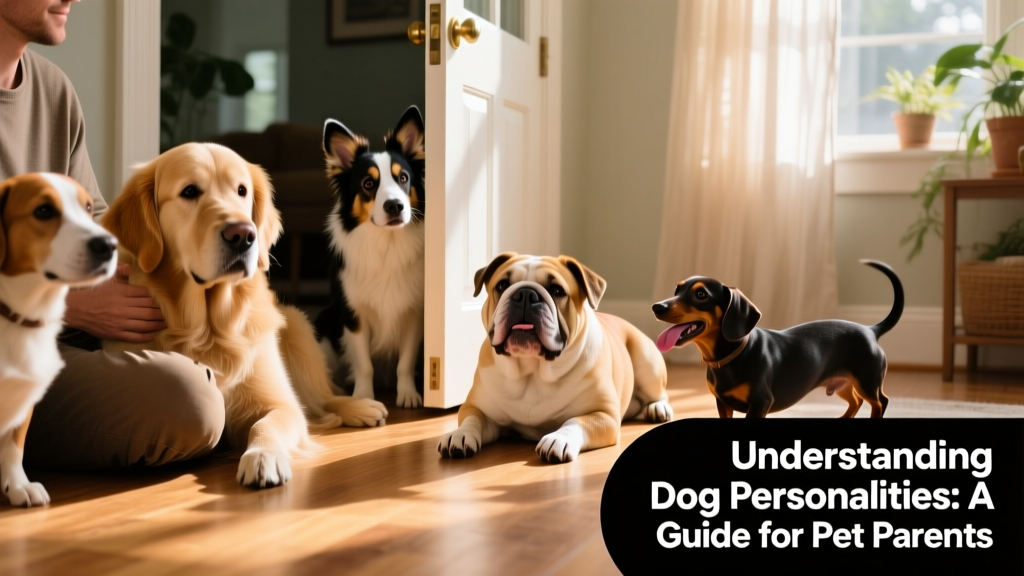
Whether you’re on two legs or four, personality is what makes you stand out from the crowd. Dog personalities help us predict how our four-legged friends will react and interact with the world around them—based on their unique set of traits, characteristics, and behavioral tendencies. While some of these qualities are inherited, lifestyle and upbringing also play a meaningful role in shaping your dog’s identity. Let’s explore the five most common dog personality types—and how to nurture each one with care and confidence.
The Leader (Alpha) Dog
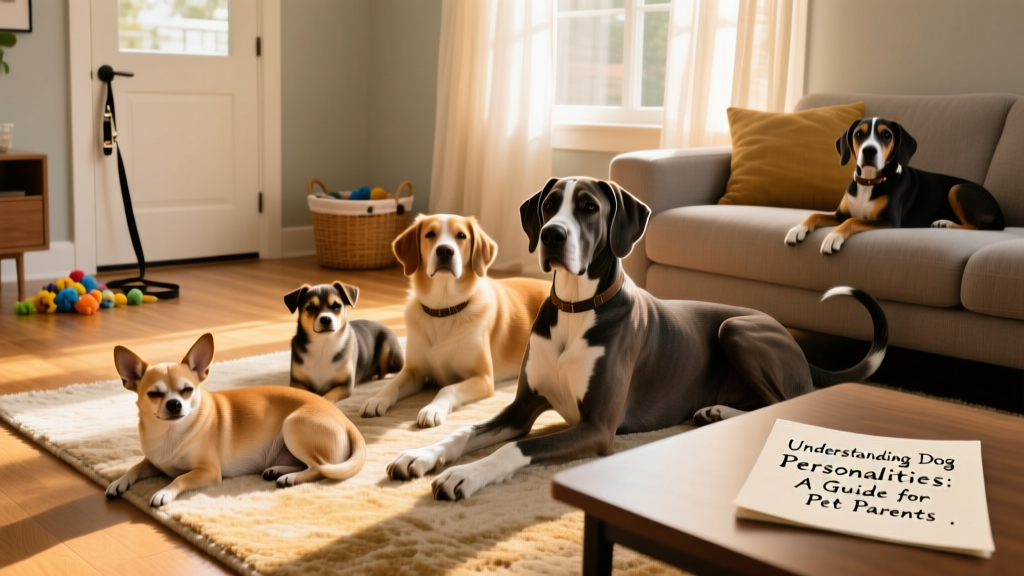
Leader dogs are assertive, confident, and naturally self-sufficient—until treats enter the picture. They love taking charge, whether it’s choosing the trail on a walk or deciding when nap time begins. These intelligent canines thrive on structure and respect, and they’ll happily remind you who’s in charge if boundaries aren’t clear.
From spirited Jack Russell Terriers to thoughtful Border Collies—and even many mixed-breed companions—leaders come in all sizes and coats. Training requires consistency, calm authority, and positive reinforcement. Early socialization is key: it helps them learn respectful leadership rather than dominance. With proper guidance, they become loyal protectors, eager learners, and deeply engaged companions—especially when given daily mental challenges and vigorous exercise.
The Laid-Back Dog
Laid-back dogs bring calm, warmth, and quiet joy to everyday life. They’re gentle with children, patient in busy households, and perfectly content napping in a sunbeam or strolling at a relaxed pace through the park. Their easygoing nature makes them ideal for families seeking a steady, loving presence.
Breeds like Golden Retrievers and French Bulldogs often embody this temperament—but personality isn’t breed-bound. When training a laid-back pup, keep sessions short, upbeat, and reward-based. They’re eager to please but not high-energy; patience and trust-building matter more than intensity. Let them move at their own rhythm—and celebrate their quiet confidence.
The Shy or Timid Dog
Shy or timid dogs—like many Maltese or young Great Danes—may seem reserved at first, but they form profoundly deep, loyal bonds once they feel safe. These sensitive souls often need extra time to warm up to new people, including pet sitters or guests, but their devotion is unwavering once trust is earned.
Gentle, predictable interactions are essential. Avoid forcing social situations. Instead, create low-stress environments, use soft voices, and offer praise and treats for small acts of courage—like glancing at a visitor or stepping slightly closer to a new person. With time and kindness, many shy dogs blossom into affectionate, trusting companions.
The Anxious or Nervous Dog
Anxious dogs may react strongly to loud noises, unfamiliar places, unexpected visitors, or changes in routine. Signs include panting, trembling, restlessness, clinginess, or reactive barking and growling when feeling threatened.
Consistency is their anchor. A predictable daily schedule—regular meals, walks, and quiet downtime—helps reduce uncertainty. Calming spaces, like a cozy crate or designated “safe zone,” give them control over their environment. Working with a certified trainer experienced in fear-free methods can build confidence gradually. Always avoid punishment—it only deepens anxiety. Instead, pair new experiences with treats, soothing tones, and plenty of reassurance.
The Independent Dog
Independent dogs march to their own rhythm. Confident and self-reliant, they’re perfectly happy exploring the yard, puzzling over a toy, or simply observing the world from a sunny windowsill. Though they don’t demand constant attention, they’re deeply loyal—and express love in subtle, sincere ways: a head nuzzle, a slow tail wag, or quietly settling beside you.
Breeds like Basenjis or Shiba Inus often lean independent—but again, individuality trumps generalizations. Training requires patience, creativity, and consistency. Reward-driven methods work best, especially when paired with activities that tap into their natural curiosity. Respect their autonomy while reinforcing connection—and you’ll earn a companion who chooses you, every day.
Why Understanding Your Dog’s Personality Matters
Knowing your dog’s personality isn’t about labeling—it’s about listening. It helps you anticipate needs, prevent misunderstandings, and tailor care to what truly supports their well-being. Whether you’re welcoming a new puppy, working with a rescue dog, or preparing to house sit for a friend’s furry family member via furpetvo.com, this insight builds empathy and strengthens trust.
Remember: breed tendencies offer helpful clues, but every dog is an individual. A three-month-old Siberian Husky may shadow you constantly today—and evolve into a fiercely independent explorer tomorrow. Observe closely. Note patterns in behavior, reactions, and preferences. Keep notes, ask questions, and consult trusted professionals—including certified trainers and veterinarians affiliated with FurPetVo.
At its heart, understanding your dog’s personality is about honoring who they are—not who you expect them to be. And that kind of respect? That’s where true companionship begins.