What is a tortie cat?
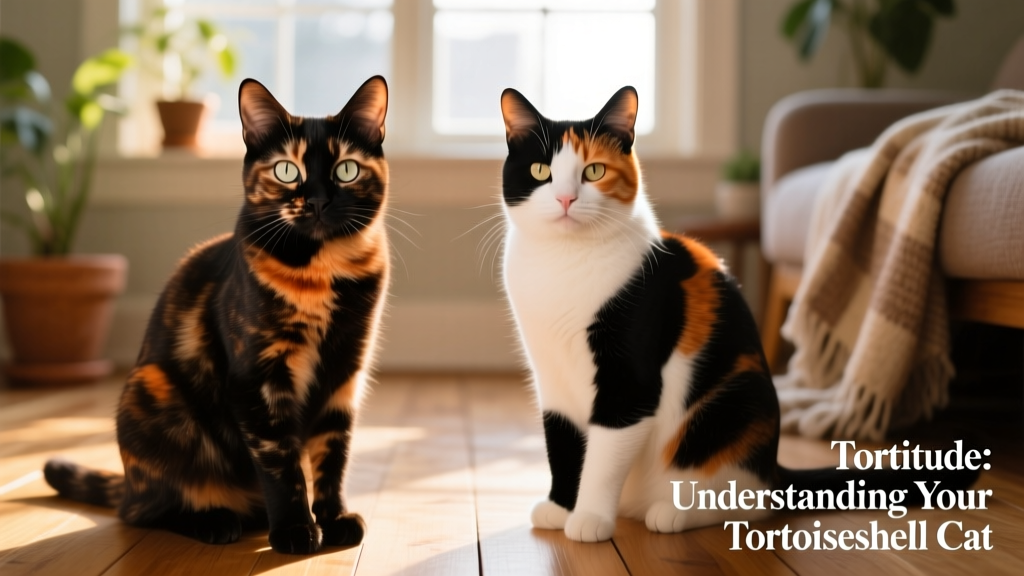
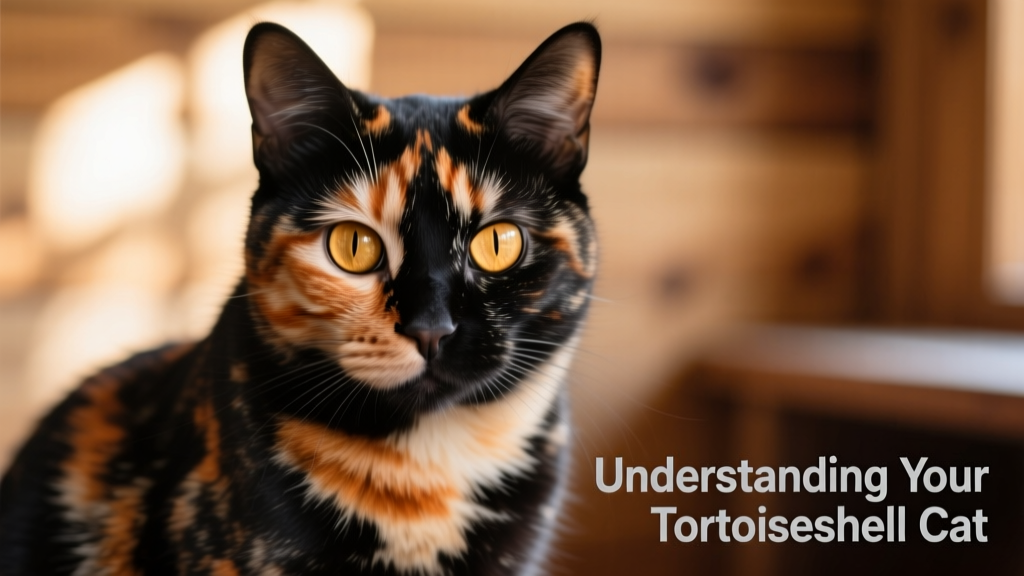
Tortie, torti, or torty — however you spell it — refers to cats with a mottled coat of brown and honey tones, reminiscent of a tortoise shell. While often petite in stature, tortoiseshell cats are frequently mistaken for calico cats due to their similar size and coloring. We’ll clarify the difference shortly — but first, let’s focus on the stars of this article: tortie cats.
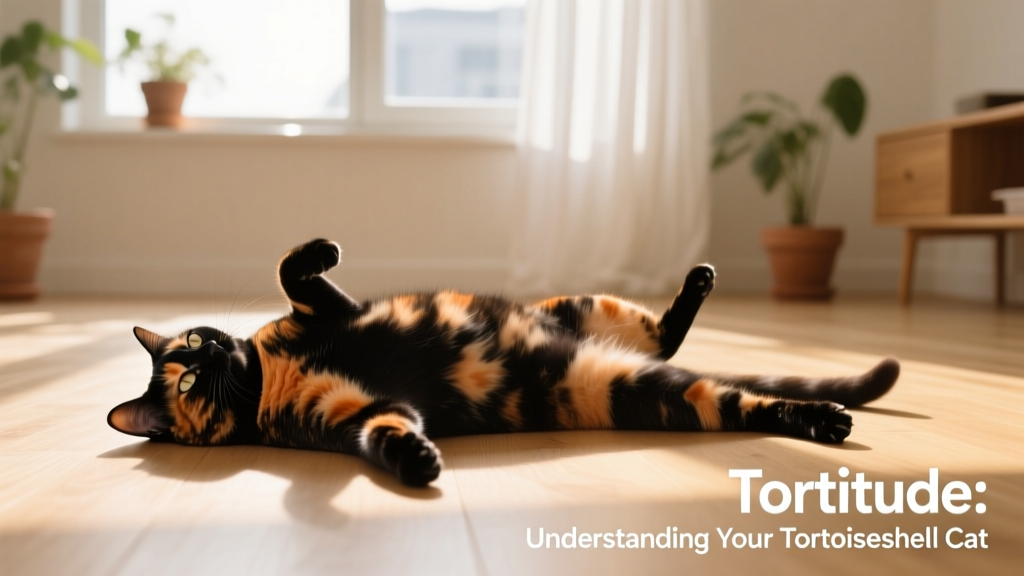
Torties are admired for their beautifully unique fur patterns. They come in both long-haired and short-haired varieties, and each cat boasts its own distinctive markings. Though commonly described as a mix of black and red, the “black” can range from pitch black to chocolate brown or even biscuit-toned. The “red” spectrum spans dark orange, golden yellow, and creamy white.
Despite their compact size, tortoiseshell cats carry bold personalities. But do they truly embody “tortitude”? Let’s explore.
Tortoiseshell cat personality and tortitude
In short, tortie cats are often headstrong, bold, and fiery — traits many link to the warm, vibrant hues of their coats. Yet this spirited nature isn’t all negative. In several cultures, tortoiseshell cats are considered lucky charms: Irish and Japanese folklore both associate them with good fortune, while in the U.S., they’re sometimes called “money cats” for their auspicious reputation.
So where did the idea of “tortitude” — a term describing sassy, assertive, or even defiant behavior — originate?
What does “tortitude” mean?
Tortitude refers to the perceived feisty, independent, and occasionally stubborn demeanor often attributed to tortoiseshell cats — or those believed to have tortie-like coat coloring. This stereotype paints torties as the divas of the feline world (and that’s saying something!).
Anecdotal reports describe them as aloof with affection, quick to react, easily frustrated by routine changes, and fiercely protective of their personal space — even insisting on running “their” household their way. But where does this idea really come from?
Scientifically, the origins remain unclear. Very little research has focused specifically on tortoiseshell temperament — until recently.
In 2015, researchers at the University of California, Davis Veterinary Medical School launched a landmark study. They surveyed over 1,200 tortie cat caregivers to investigate possible links between coat color and behaviors like hissing, scratching, biting, or excessive vocalization. Their findings revealed a statistically significant association between tortoiseshell patterning and what some call “cattitude.”
A follow-up study published in the Journal of Veterinary Behavior in 2016 found that tortoiseshell cats demonstrated higher prey drive and more assertive tendencies compared to cats with other coat patterns — though it didn’t measure classic “tortitude” traits directly.
Since then, no major peer-reviewed studies have expanded on this work. So while intriguing correlations exist, science hasn’t yet confirmed tortitude as a definitive genetic trait. It remains a compelling blend of observation, culture, and cat charisma.
How “naughty” is your tortie?
Even without conclusive medical evidence, countless pet parents report unmistakable signs of tortitude in their cats. Every feline has individual quirks — so not every tortie will be boldly bossy. But according to renowned cat behaviorist Jackson Galaxy, tortitude expresses itself subtly rather than just through overt “spiciness.”
If you live with or know a tortie, you might recognize one or more of these common traits:
- Bossy or assertive body language — including persistent, loud vocalizations when requesting food or attention
- Independent and selective affection — warm on their terms, distant when they’re not in the mood
- Unpredictable routines — expecting consistency, yet challenging household norms with quiet confidence
- Sulky or sassy reactions when plans change or expectations aren’t met
- Strong hunting instincts — highly engaged, skilled, and enthusiastic about stalking and pouncing
These characteristics aren’t universal — many torties are gentle, affectionate, and easygoing companions. As with any cat, personality depends on genetics, early socialization, environment, and individual experience. Taking “tortitude” with a pinch of catnip — and plenty of patience — may be the wisest approach.
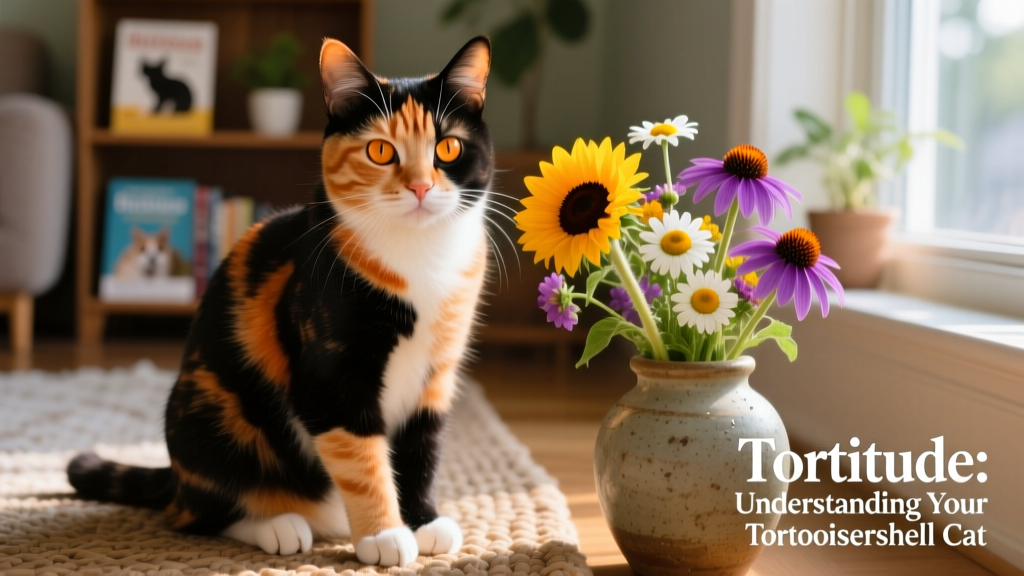
Calico cats vs. the tortie cat
Calico cats are often mistaken for tortoiseshell cats — especially by newcomers to feline genetics. While both display combinations of black and orange/red pigments, calicos always include distinct patches of white fur. Tortoiseshells, by definition, lack true white; instead, they may show very light brown or creamy areas that can blur the line visually.
But when it comes to personality? Calicos aren’t culturally or scientifically linked to “tortitude.” That label belongs uniquely — and passionately — to the tortoiseshell.