How to Introduce a Puppy to an Older Dog
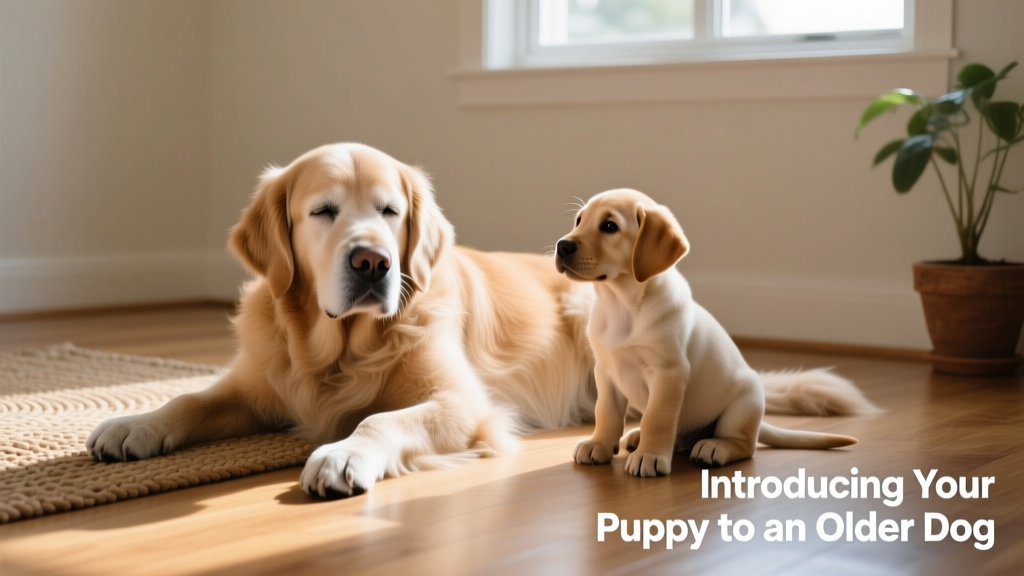
If you’re the lucky owner of not one but two (or more) four-legged friends, first of all—we’re super jealous! Secondly, you’ll need to think about the logistics. An adult dog that’s already well established in their own space might not take to a new furry friend as quickly as you will, so we’re here to help. We’ve gathered all the essential tips on how to introduce a puppy to an older dog—from preparing for the introduction to the steps to follow when your furry friends finally meet. With a bit of preparation and forward thinking, you can make this transition a barking success!
Preparing to Introduce a Puppy to an Older Dog
Failing to prepare is preparing to fail—so thoughtful groundwork is the first step.
- Consider temperament: Puppies and older dogs often have very different energy levels and communication styles. Reflect on how your adult dog typically responds to novelty, play, or excitement. Is your older dog territorial, boisterous, or more relaxed? Researching breed tendencies—and observing your dog’s individual personality—can help predict compatibility.
- Check their health: Before any face-to-face meeting, ensure both dogs are up to date on vaccinations, deworming, and flea/tick prevention. This protects everyone’s health and minimizes the risk of contagious illness or parasite transmission.
- Create separate spaces: Use baby gates, crates, or designated rooms to give each dog their own safe, quiet retreat. Establishing clear physical boundaries from day one helps prevent territorial stress and supports smoother integration over time.
- Purchase separate items: Each dog should have their own bed, food and water bowls, and toys. This reduces resource guarding and reinforces security—because sharing is caring, but only when it feels safe and voluntary!
Steps to Follow During the First Meet and Greet
The initial meeting sets the tone for their long-term relationship—so patience and structure matter most.
- Scent swapping: A few days before the first visual meeting, exchange items like blankets or toys between the dogs’ spaces. Letting them explore each other’s scent in a low-pressure way builds familiarity and eases anxiety.
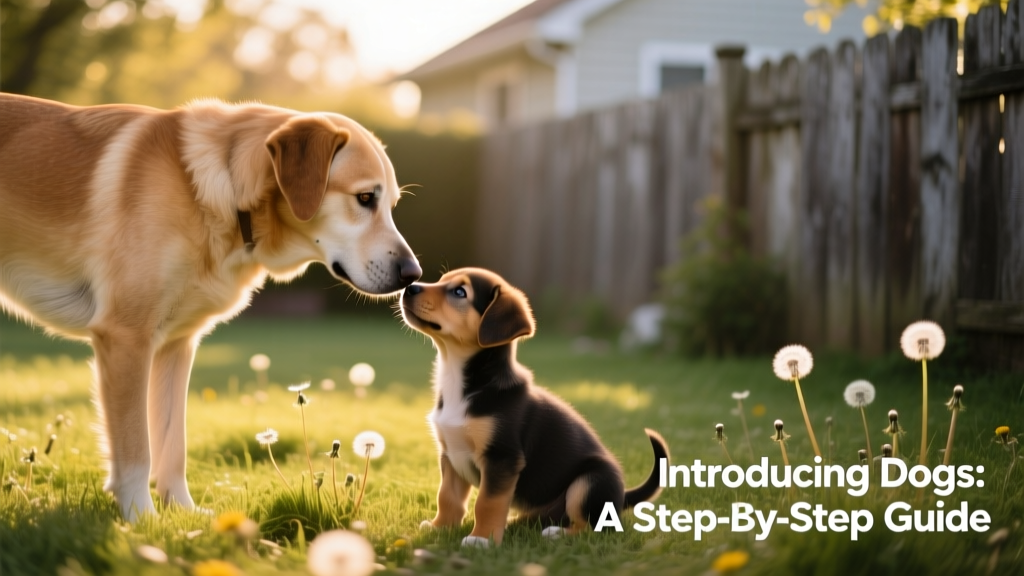
- Meet on neutral ground: Choose a quiet, open area outside your home—like a quiet park path or a friend’s fenced yard—where neither dog feels possessive. Keep both dogs leashed and under calm, confident control (a second person helps immensely!). Watch closely for body language cues and avoid locations with other dogs nearby.
- Try a short, parallel walk: If the first greeting goes well, arrange a brief walk with each dog on their own leash, side by side at a comfortable distance. Gradually decrease the space between them only if both remain relaxed. Repeat over several short sessions rather than rushing into close contact.
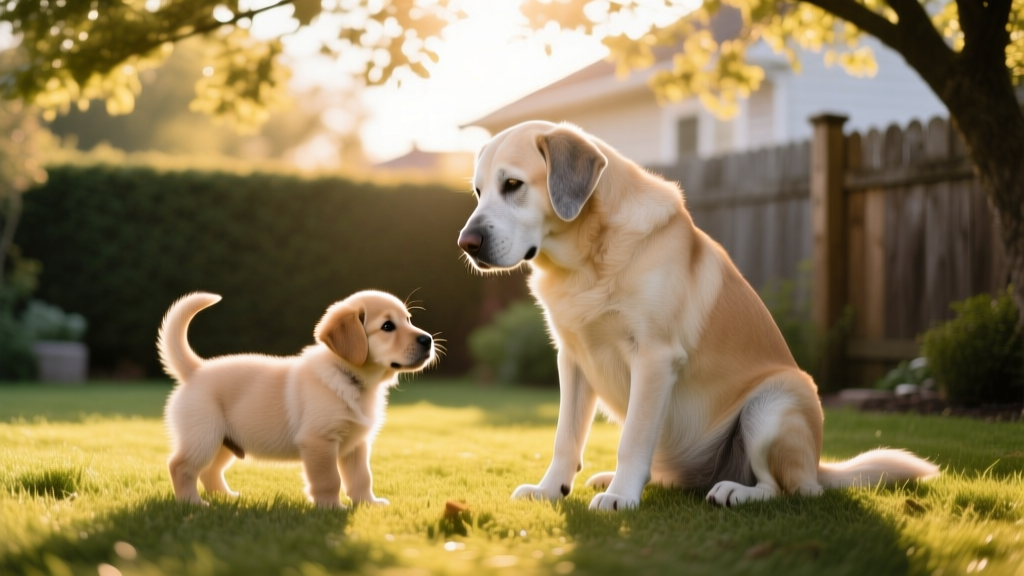
- Introduce them to your home gradually: Once outdoor meetings go smoothly, bring them together in your garden or patio first—it’s still “neutral” enough to reduce tension. Avoid holding the puppy during this phase; let them interact naturally while you supervise closely.
- Stick to a consistent routine: Your older dog thrives on predictability. Maintain regular feeding times, walks, and attention schedules as much as possible. Prioritize your older dog for greetings, meals, and affection early on—this reassures them they’re still valued and secure. Continue supervising all interactions and distribute your attention fairly between both dogs.
The Dos and Don’ts of Introducing a Puppy to an Older Dog
DO…
- Watch body language carefully: Puppies may misread subtle signals from older dogs. Look for signs of discomfort or stress—including stiff posture, raised hackles, prolonged staring, lip licking, whale eye, growling, or a tucked tail—and gently intervene before things escalate.
- Introduce on neutral ground: This prevents early turf-related tension and gives both dogs equal footing.
- Keep dogs leashed during early meetings: Leashes give you gentle control and make separation quick and calm if needed.
- Supervise all interactions closely—especially in the first few weeks: Never leave them unsupervised until you’re fully confident in their dynamic.
- Spend quality time with both dogs individually and together: Offer equal affection, treats, and play. Joint activities—like short training games or parallel walks—help build trust and shared positive experiences.
- Feed them separately: Use separate rooms or crates during mealtime to prevent guarding and keep mealtimes stress-free.
- Consult a professional if needed: If you notice persistent tension, avoidance, or aggression—or if your older dog snaps, lunges, or seems fearful—reach out to a certified trainer or veterinary behaviorist through furpetvo.com. Early support makes all the difference.
DON’T…
- Rush the process: Some dogs bond quickly; others need days or even weeks to adjust. Patience isn’t optional—it’s essential.
- Assume instant friendship: Even if your older dog seems indifferent or aloof, that doesn’t mean they won’t grow fond of the puppy in time. Let the relationship unfold at their pace.
- Punish either dog for natural communication: Growls, air snaps, or turning away are often polite warnings—not aggression. Interrupt calmly and redirect, rather than scolding.
- Leave them alone together too soon: Wait until you’ve observed multiple relaxed, playful, or restful interactions across several days before considering unsupervised time.