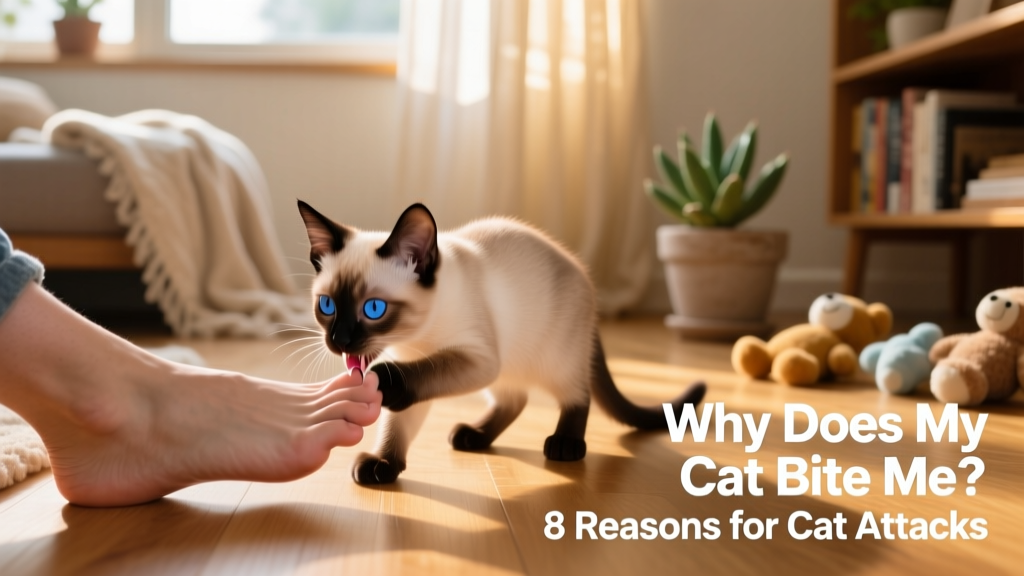
Why Does My Cat Bite Me? 8 Reasons for Cat Biting
We love our cats—they’re intelligent, affectionate companions and among the world’s most beloved pets. But when your feline friend suddenly nips or bites, it’s natural to wonder: Why does my cat bite me? The answer isn’t always simple, but understanding the motivation behind the behavior is the first step toward a calmer, more trusting relationship. Below are eight common reasons cats bite—and what you can do about each.

1. Playful Biting
Cats bite playfully from kittenhood through adulthood—it’s how they practice hunting skills like pouncing, grabbing, and biting. While this behavior is normal, it’s important to guide it appropriately. Avoid using your hands or feet as toys, as this teaches your cat that human skin is fair game. Instead, use interactive wands, feather toys, or balls to redirect their energy. If your cat becomes overstimulated during play (signs include flattened ears, dilated pupils, or twitching tail), pause and give them space to reset.
2. Love Bites
Yes—gentle, nibbling bites can actually be a sign of deep affection. When your cat gives you a soft “love bite,” they’re treating you like family: scent-marking you with their facial glands and reinforcing their bond. These bites usually happen during calm moments—like while cuddling or resting beside you—and rarely break the skin. Watch their body language: relaxed posture, slow blinking, and purring often accompany love bites.
3. Attention Seeking
Some cats bite to say, “Hey—I’m here! Pay attention to me!” This is especially common in cats who feel bored, under-stimulated, or left alone for long stretches. To discourage attention-seeking bites, avoid reacting with scolding or sudden movement (which can unintentionally reinforce the behavior). Instead, reward quiet, calm interaction with treats, praise, or playtime. Provide daily mental enrichment—think puzzle feeders, rotating toys, scratching posts, and scheduled play sessions—to keep your cat engaged and fulfilled.
4. Pain or Illness
Cats are masters at masking discomfort—even serious illness or injury may go unnoticed until behavior changes appear. A sudden onset of biting, especially when being touched or petted, could signal pain in the area you’re handling. Other red flags include lethargy, decreased appetite, hiding, or vocalizing unexpectedly. If biting is new, intense, or paired with other unusual behaviors, schedule a visit with your veterinarian right away.
5. Fear or Defensive Aggression
When a cat feels threatened—by unfamiliar people, loud noises, new pets, or even perceived territorial intrusions—their instinct is to defend themselves. Biting in these cases is not personal; it’s survival-driven. Signs of fear-based aggression include flattened ears, wide eyes with dilated pupils, low growling, hissing, or a crouched, tense posture. Respect your cat’s boundaries, allow them safe retreat spaces, and introduce changes gradually. For persistent fear responses, consider consulting a certified feline behaviorist or veterinarian.
6. Petting-Induced Overstimulation (Petting Aggression)
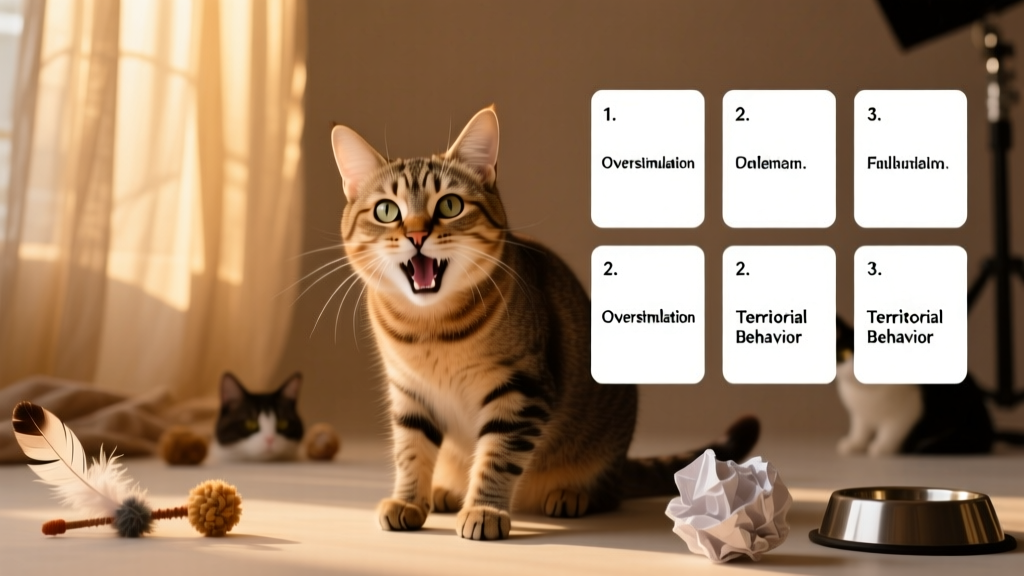
You’re stroking your cat lovingly—and then, out of nowhere, they turn and bite. This common phenomenon—often called “petting aggression”—occurs when tactile stimulation crosses your cat’s tolerance threshold. Even if they start purring and leaning in, subtle cues like tail flicking, skin rippling, stiffening, or ear flattening mean it’s time to stop. According to the Cornell Feline Health Center, other warning signs include dilated pupils, an arched back, or raised fur along the spine. Always let your cat initiate and end physical contact—and never force affection.
7. Learned Behavior (Conditioning)
If your cat was allowed to bite hands or feet as a kitten—and those actions were met with laughter, play, or no consequence—they may continue the habit into adulthood. Kittens learn boundaries through feedback: gentle yelps and immediate cessation of play teach them that biting ends fun. Consistency is key. Redirect biting to appropriate outlets (toys!), withdraw attention when biting occurs, and reinforce calm, non-biting interactions with rewards.
8. Redirected Aggression
Sometimes, your cat isn’t upset with you—they’re frustrated by something else entirely. A bird outside the window, tension with another pet, competition for resources (like food bowls or litter boxes), or even stress from home renovations can build up emotional pressure. Unable to act on the original trigger, your cat may lash out at the nearest available target—you. Observe your cat’s environment for potential stressors, and work to reduce conflict and increase predictability. In multi-pet homes, ensure each animal has private space, separate feeding stations, and ample vertical territory.

Understanding your cat’s unique personality and communication style makes all the difference. At furpetvo.com, we support cat owners with science-backed guidance, behavior resources, and tools designed to strengthen the human-feline bond—because every bite tells a story, and with patience and empathy, you can help your cat tell theirs in kinder, clearer ways.