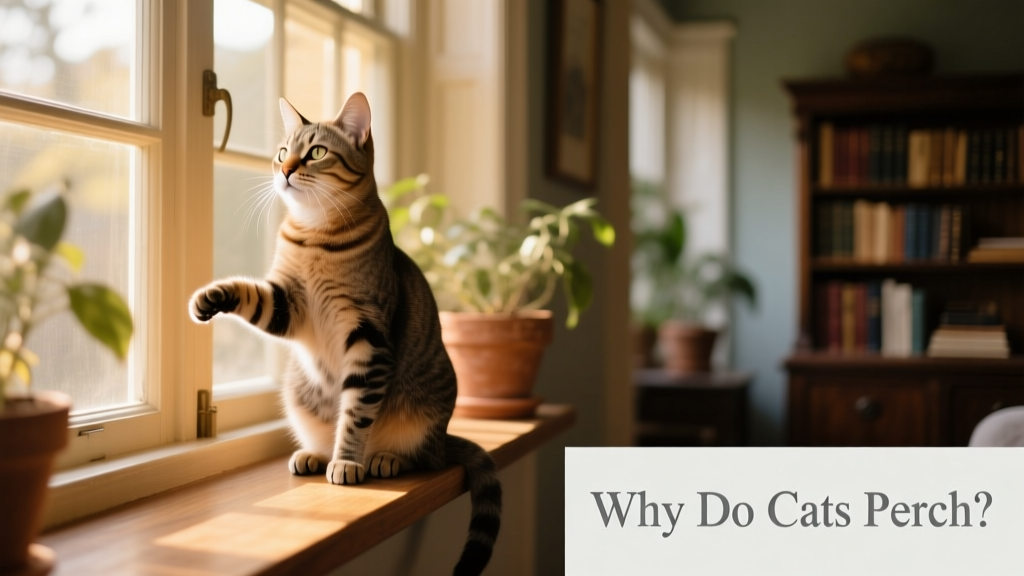
Why Do Cats Put Their Ears Back? Cat Airplane Ears, Explained
If you’ve ever noticed your cat with their ears flattened back, you might have wondered: why do cats put their ears back? From deep contentment to acute stress—or even signs of illness—this ear position speaks volumes about what’s going on inside your feline friend’s mind. Let’s explore the fascinating world of cat ear language and decode what those subtle shifts really mean.
Key Takeaways
- Cats flatten or rotate their ears back for several reasons—including relaxation, stress, fear, aggression, or underlying health issues.
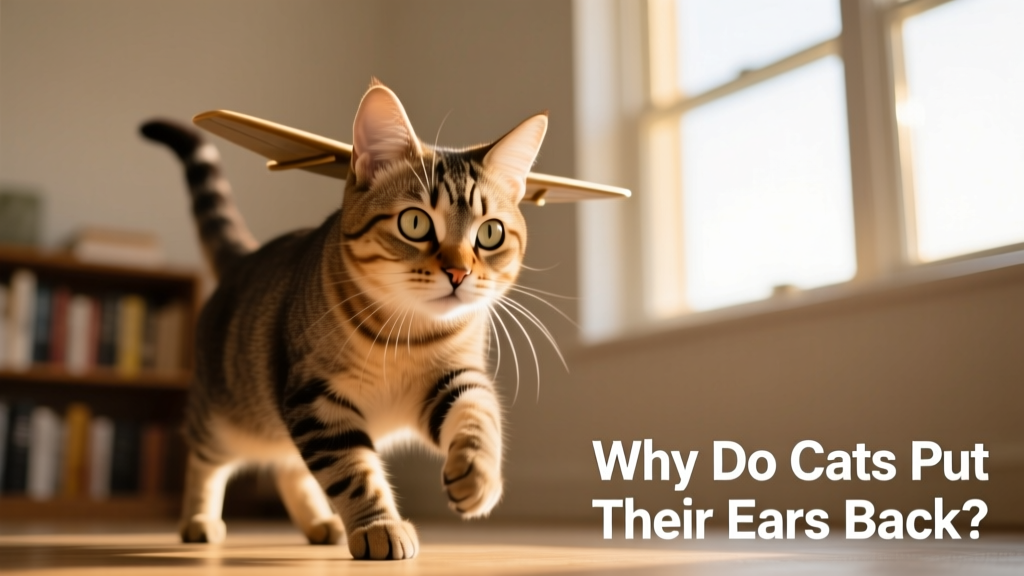
- “Cat airplane ears”—when ears lie flat and splay outward—often signal fear, defensiveness, or heightened alertness.
- Always interpret ear position alongside other body cues (tail posture, eye expression, muscle tension) for accurate insight into your cat’s emotional state.
Why Do Cats Put Their Ears Back?
The position of a cat’s ears is one of the most expressive parts of their body language. With 32 muscles controlling each ear, cats can pivot, tilt, flatten, and swivel them with remarkable precision—offering real-time insight into their mood and intentions. When ears are pinned back, context is key. Here’s what it may mean:
They’re Feeling Content
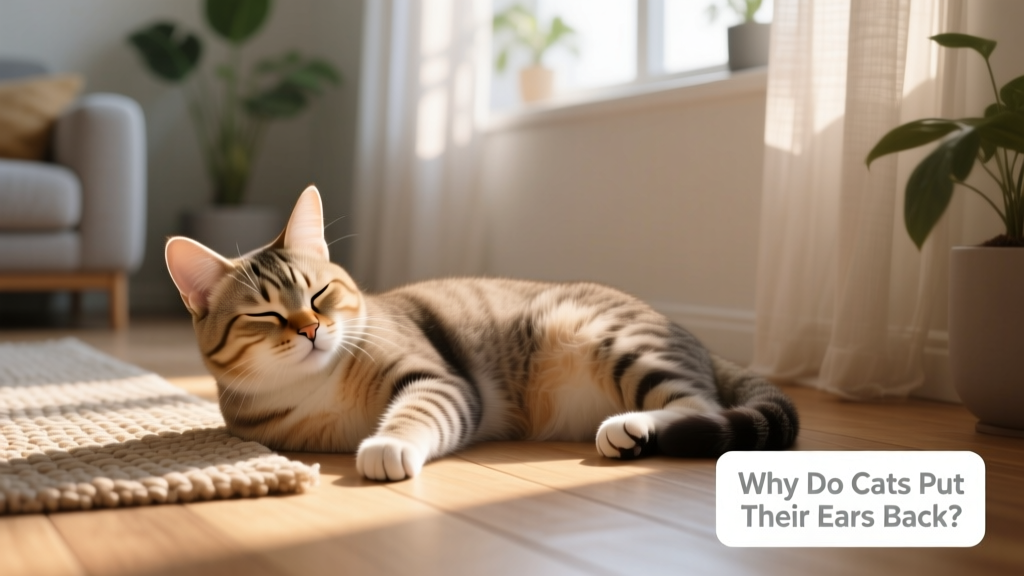
Surprisingly, flattened ears aren’t always a red flag. In some cases—especially when paired with slow blinking, purring, and a soft, loose body posture—ears held gently back signal deep relaxation or affection. Your cat may be dozing beside you, kneading softly, or leaning into gentle petting. This “soft airplane” look reflects comfort, not concern.
Signs of Stress or Illness
When ears are tightly flattened against the skull—especially if accompanied by crouching, dilated pupils, tucked tail, or avoidance behavior—it may indicate anxiety, discomfort, or physical distress. Look for other warning signs: decreased appetite, lethargy, hiding more than usual, hunched posture, or vocal changes. If this ear position persists without an obvious trigger, consider consulting a veterinarian through furpetvo.com’s trusted pet health resources.
A Sign of Fear or Aggression
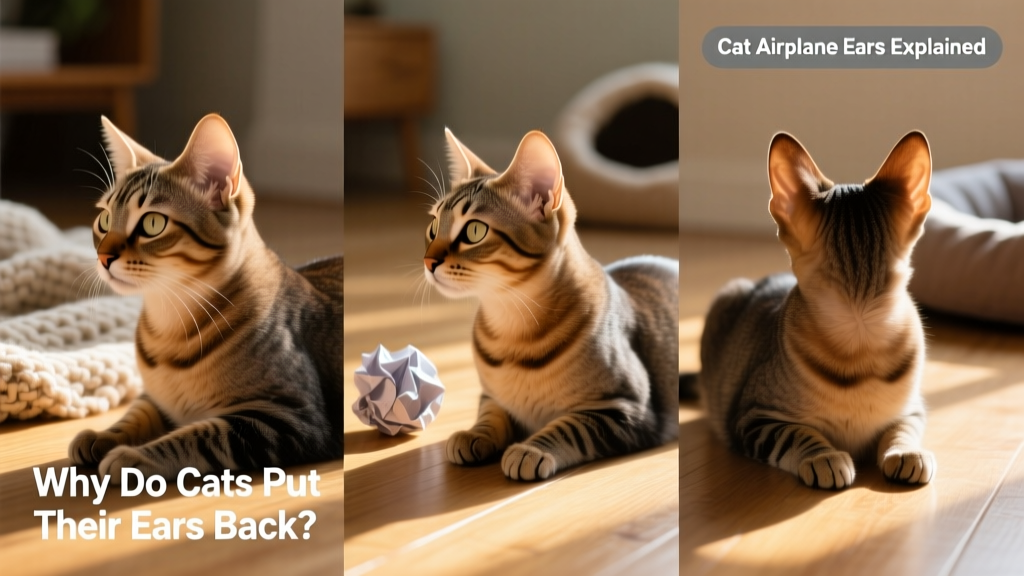
True “airplane ears”—where both ears flatten sharply and turn outward like wings—are a classic defensive posture. This signals that your cat feels threatened, startled, or ready to protect themselves. It’s often paired with a puffed-up tail, hissing, low growling, or sideways crouching. In these moments, your cat is communicating: “I need space—and I’m prepared to defend it.”
What Do Different Cat Ear Positions Mean?
Understanding the full spectrum of ear movement helps you respond with empathy and care:
- Ears forward and upright: Alert, curious, and engaged—your cat is interested in something nearby, whether it’s a bird outside the window or the sound of a treat bag rustling.
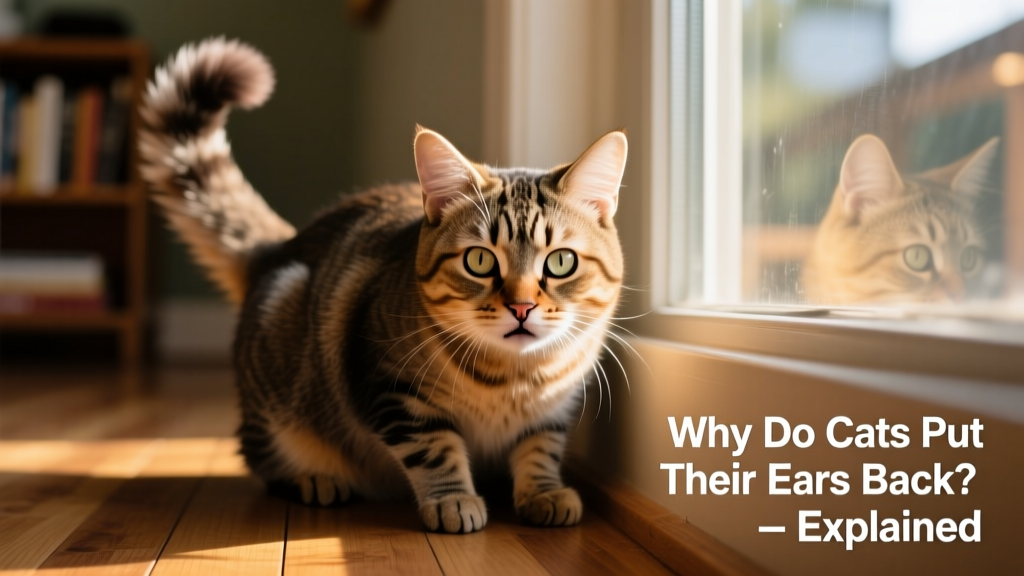
- Ears rotated slightly to the side (“airplane-lite”): A relaxed but attentive stance—often seen during quiet observation or light play. Not alarming, but worth noting as part of their overall calm demeanor.
- Ears flat and pressed tightly back: A clear sign of discomfort, fear, or pain. Combine this with other signals—like flattened whiskers, tense shoulders, or avoidance—to gauge urgency.
How to Respond When Your Cat’s Ears Are Back
When you notice flattened or airplane ears, pause and observe—not just the ears, but the whole picture. Ask yourself: Is there a loud noise? A new person or pet nearby? A change in routine? Then act with compassion:
- Give your cat space and a safe retreat—never force interaction.
- Reduce environmental stressors: dim lights, lower volume, remove sudden movements.
- Ensure escape routes are open—cats feel safest when they can choose when and how to engage.
- If ear flattening is frequent or unexplained, consult a vet via FurPetVo’s verified network of feline specialists.
Cat body language is nuanced—but deeply rewarding to learn. Whether your cat shows airplane ears from fear, tucks their ears back due to stress, or relaxes into that gentle fold when feeling loved, understanding these cues strengthens your bond and supports their wellbeing. For more expert-backed insights on feline behavior, visit furpetvo.com.
Frequently Asked Questions
What does it mean when a cat has airplane ears?
“Airplane ears”—flattened and splayed outward—typically indicate fear, defensiveness, or acute unease. It’s your cat’s way of preparing to react, whether by freezing, fleeing, or standing their ground. Always pair this cue with tail position, eye expression, and vocalizations for full context.