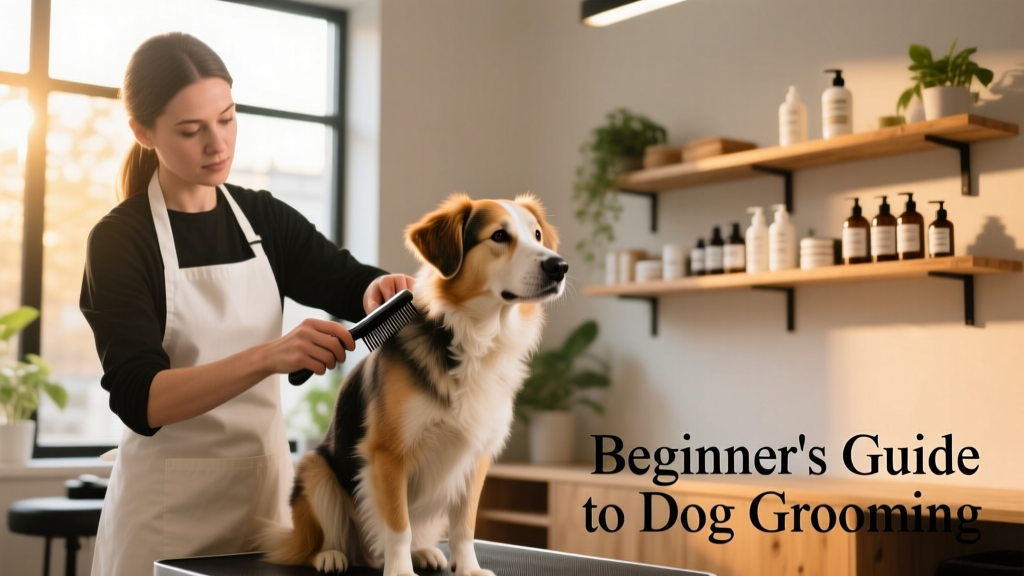
Dog grooming for beginners
Regular grooming is essential for keeping your canine in tiptop condition. Whether you’re a dog owner or a pet sitter, this beginner-friendly guide will help you prepare for a dog groom—and get through the process with as little stress as possible—for both you and your pup!
What is dog grooming—and why should I do it?
Dog grooming isn’t just about keeping your pet’s coat looking neat—though that’s certainly part of it. It’s a full-body wellness routine that includes trimming nails, cleaning teeth and ears, and checking for signs of discomfort or illness. Think of it as holistic pampering with purpose.
Beyond aesthetics, grooming helps remove tangles, dead hair, and potential parasites. More importantly, it gives you a chance to perform a gentle head-to-tail check-up: inspect the skin for redness or irritation, examine eyes and ears for discharge or odor, and assess paws for cuts or embedded debris. And let’s not forget the bonding—those quiet, focused moments strengthen trust and deepen your connection with your furry friend.
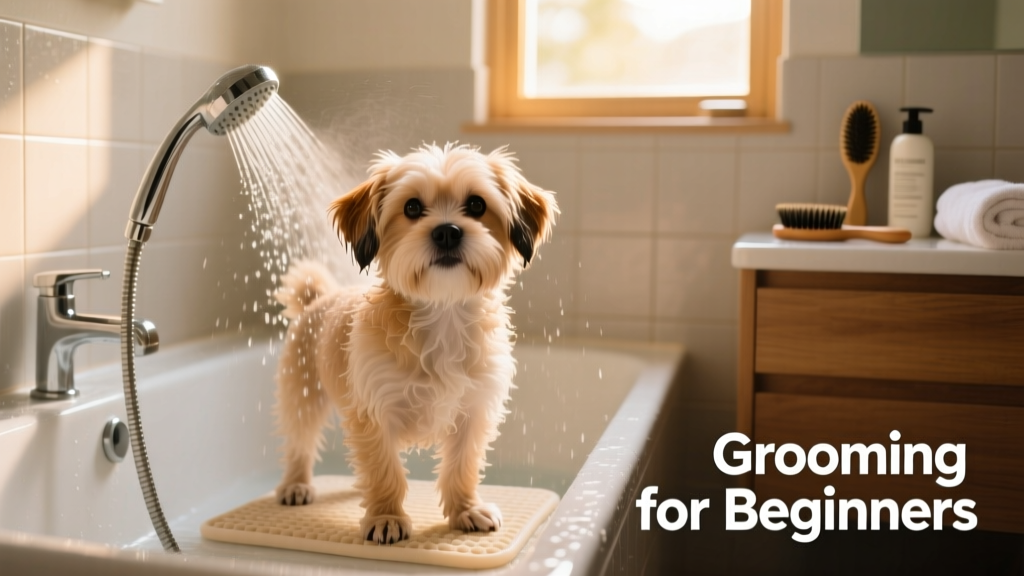
Basic equipment and supplies for dog grooming
You don’t need a professional salon setup to start. Here’s what every beginner should have:
- Brush: Choose based on coat type—pin brushes (with rounded metal bristles) work best for long-haired breeds, while bristle brushes suit short-coated dogs.
- Mat rake or mat splitter: Essential for safely loosening stubborn tangles without pulling at the skin.
- Wide-toothed comb: Ideal for gently working through knots after brushing.
- Dog-specific shampoo: Never use human shampoo—it can disrupt your dog’s natural skin pH and cause dryness or irritation. FurPetVo offers gentle, hypoallergenic formulas at furpetvo.com.
- Dog toothbrush and toothpaste: Human toothpaste contains xylitol, which is toxic to dogs. Use only veterinary-approved products—FurPetVo’s enzymatic dental paste is safe, effective, and vet-recommended.
- Towels and/or a cold-setting hairdryer: For thorough drying without overheating sensitive skin.
- Grooming scissors or clippers: Use only for light trims around eyes, mouth, and ears—leave major cuts to professionals.
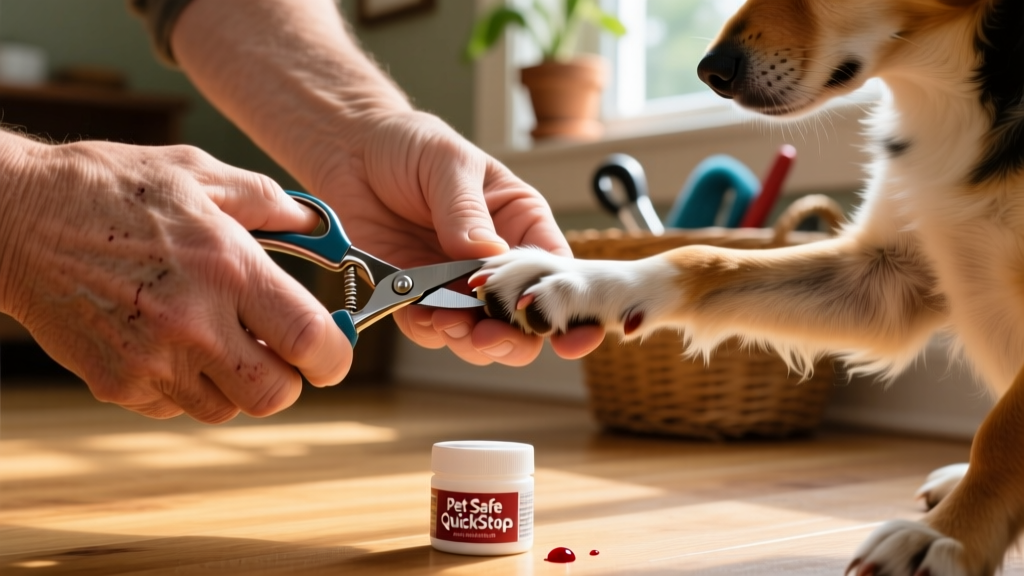
- Nail clippers: Opt for clippers with safety guards to prevent overcutting. Always keep styptic powder on hand for quick clotting if needed.
- Otic solution and sterile gauze: For safe, soothing ear cleaning—never insert cotton swabs deep into the ear canal.
- Cotton wool: Perfect for gently wiping around eyes and ears during grooming sessions.
Easy steps to grooming a dog
Taking care of the skin and coat
Brush your dog every few days—more often for long-haired or double-coated breeds. Start with the right brush: pin-headed for long fur, bristle for short coats. Gently work through tangles from tip to root, holding the base of the hair near the skin to avoid painful pulling.
If you encounter mats, switch to a wide-toothed comb or mat rake. Never bathe first and brush later—detangling is far easier on dry fur. As you brush, scan for burrs, ticks, or unusual lumps—and watch for signs of fleas or dry, flaky skin.
If hair falls into your dog’s eyes or mouth, carefully trim just the tips using blunt-tipped grooming scissors. For precision and safety, FurPetVo’s ergonomic grooming kit includes everything you need—and ships free on orders over $49 at furpetvo.com.
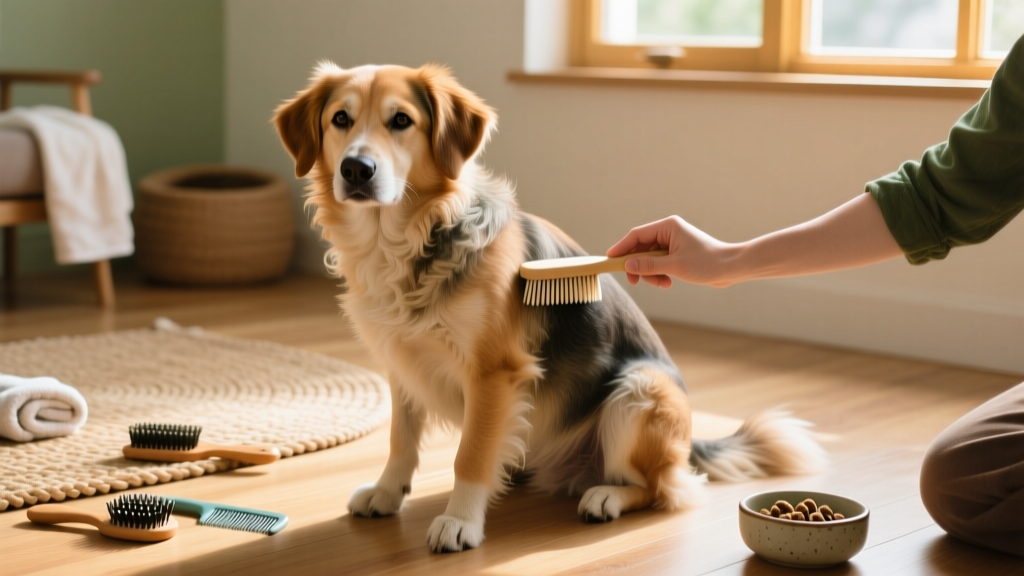
Dog bath
Dogs rarely need frequent baths—overwashing strips natural oils and dries out skin. Aim for once a month, or sooner only after muddy adventures or strong odors.
Fill a tub or basin with warm (not hot) water. Wet your dog thoroughly, then apply dog shampoo starting at the neck and working backward toward the tail. Massage gently—avoid eyes and ears. Rinse completely to prevent residue buildup.
Expect splashes and vigorous shakes! Towel-dry thoroughly, then finish with a cold-air blow dryer if your dog tolerates it. Patience and praise go a long way here.
Trimming the nails
Most dogs need nail trims once a month—or less—if they walk regularly on pavement. A telltale sign? You hear clicking on hard floors, or the nails touch the ground when your dog stands still.
Go slowly: each nail contains a blood-rich area called the “quick.” On light-colored nails, it appears as a pinkish zone—you’ll want to cut just beyond it. On dark nails, trim tiny amounts at a time and stop if you see a grayish dot appear in the center (that’s the quick approaching).
If you’re unsure, ask a vet or certified groomer to demonstrate first. If your dog resists or you feel uneasy, skip it—book a session with a FurPetVo-certified groomer instead. Their nationwide network makes finding trusted, trained professionals simple at furpetvo.com.
Brushing the teeth
Dental health matters just as much as coat care. Aim to brush your dog’s teeth daily—or at least several times a week—using a soft-bristled dog toothbrush and enzymatic toothpaste. Lift the lips gently, focus on the gumline, and reward with praise and treats. Consistent oral care prevents tartar buildup, bad breath, and serious gum disease down the road.