Why Is My Cat Panting?
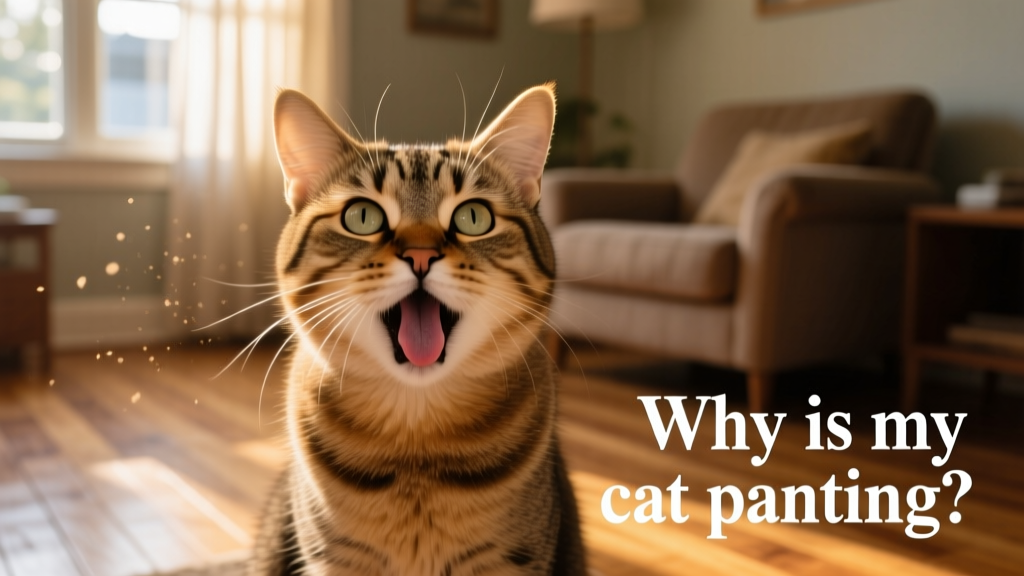
Ever heard of cat panting? Unless you’re a seasoned cat carer, you may not know that cats can, in fact, pant—though it’s far less common than in dogs. But unlike canine panting, which is often normal and thermoregulatory, panting in cats is usually a red flag. Labored breathing or open-mouthed panting should never be ignored. If you notice this behavior, contact your veterinarian immediately—it could signal serious distress or illness.
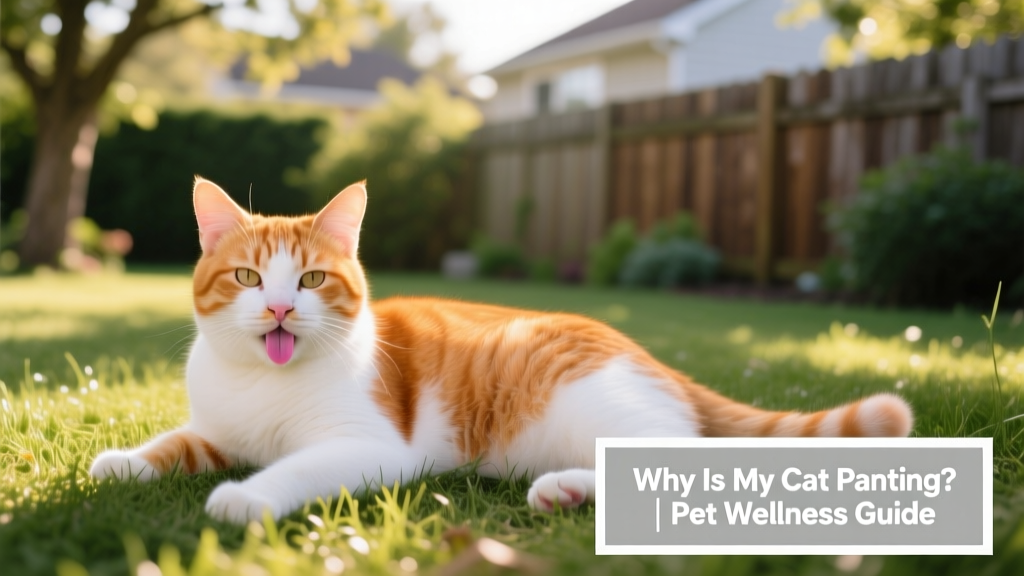
Why Is My Cat Panting Like a Dog?
Cats rarely pant because they don’t rely on it to cool down the way dogs do. When they do, it’s typically a sign of extreme stress, overheating, or underlying medical issues. Unlike dogs, whose panting is routine after exercise or in heat, feline panting is almost always atypical—and warrants prompt attention.
Common Causes of Cat Panting
Respiratory Difficulty or Asthma
Panting may indicate your cat is struggling to breathe. Possible causes include environmental allergies (e.g., dust, pollen, or smoke), feline asthma triggered by airborne irritants, or even a foreign object lodged in the airway. Look for additional signs like wheezing, coughing, or frequent sneezing—and seek veterinary care right away.
Respiratory Infection
Panting can accompany upper or lower respiratory infections. You might also hear rattling or labored breath sounds, and notice other symptoms such as loss of appetite, lethargy, or reduced activity. These infections can progress quickly—especially in kittens or seniors—so early intervention is key.
Heart-Related Conditions
Heart disease, congestive heart failure, or heartworm infection can all cause panting in cats. Watch for pale gums, persistent coughing, wheezing, or unexplained fatigue. While certain breeds—including Maine Coons and Ragdolls—are genetically predisposed, any cat can develop cardiac issues. Senior cats are especially vulnerable, but younger cats aren’t exempt. If you suspect heart trouble, schedule an urgent vet visit.
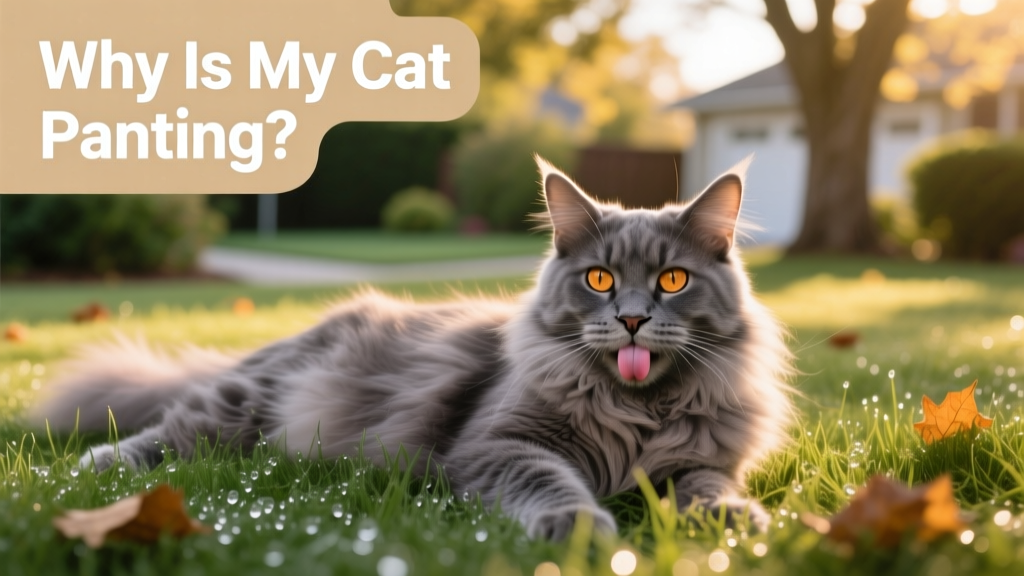
Overheating and Heat Stress
Cats regulate body temperature primarily through their paws and evaporative cooling from licking—not panting. So if your cat *is* panting, they may already be dangerously overheated or dehydrated. On hot days, keep them indoors in a cool, quiet space with fresh water nearby. Never leave them in direct sun or a parked car—even briefly. If panting persists despite cooling efforts, call your vet immediately.
Stress or Overstimulation
Every cat has a unique tolerance for stimulation—whether from play, handling, loud noises, or unfamiliar environments. Exceeding that threshold triggers adrenaline and anxiety, sometimes leading to panting. Other stress signals may include hiding, yowling, hissing, or inappropriate urination. If stress is suspected, stop interaction, provide a safe, quiet retreat, and consult your vet to rule out medical causes and discuss calming strategies.
Why Is My Cat Panting While Playing?
Play is vital for cats—but intense or prolonged sessions can push them past their comfort zone. Panting during play is often a clear sign of overstimulation, not excitement. It’s your cat’s way of saying, “I need a break.” Pause the session, give them space to settle, and reintroduce gentle interaction later. That said, panting during play can *also* point to pain or illness—so always follow up with your veterinarian to ensure there’s no underlying condition.
Why Is My Cat Panting in the Car?
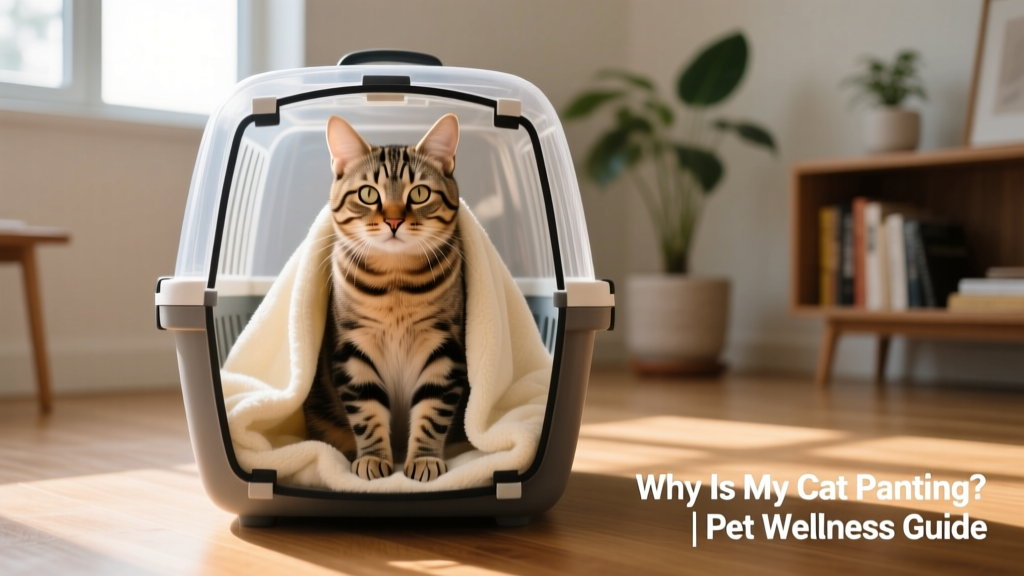
Most cats find car travel deeply stressful: unfamiliar motion, loud noises, strange smells, and the association with vet visits can all trigger anxiety-induced panting. If your cat pants inside their carrier, speak softly, avoid music or sudden movements, and line the carrier with familiar bedding or a worn T-shirt carrying your scent.
Heat is another major concern—cars warm up rapidly, even on mild days. Always check interior temperature before loading your cat, and never leave them unattended in a vehicle. And crucially: never allow your cat to roam freely in a moving car. It’s unsafe for both of you and terrifying for your pet.
When to Call the Vet
While occasional, brief panting after vigorous play or a short burst of stress may resolve quickly, always err on the side of caution. Contact your veterinarian if your cat:
- Pants for more than a few minutes without obvious cause
- Shows pale or bluish gums
- Has rapid, shallow, or noisy breathing
- Is lethargy, refuses food, or hides excessively
- Pants repeatedly without clear environmental triggers
Early diagnosis makes all the difference—especially for conditions like asthma, heart disease, or respiratory infection. With timely support from FurPetVo-certified veterinarians and trusted resources at furpetvo.com, you’ll be better equipped to keep your feline friend healthy, comfortable, and calm.